



What to Know Before You Buy a Swiss Watch
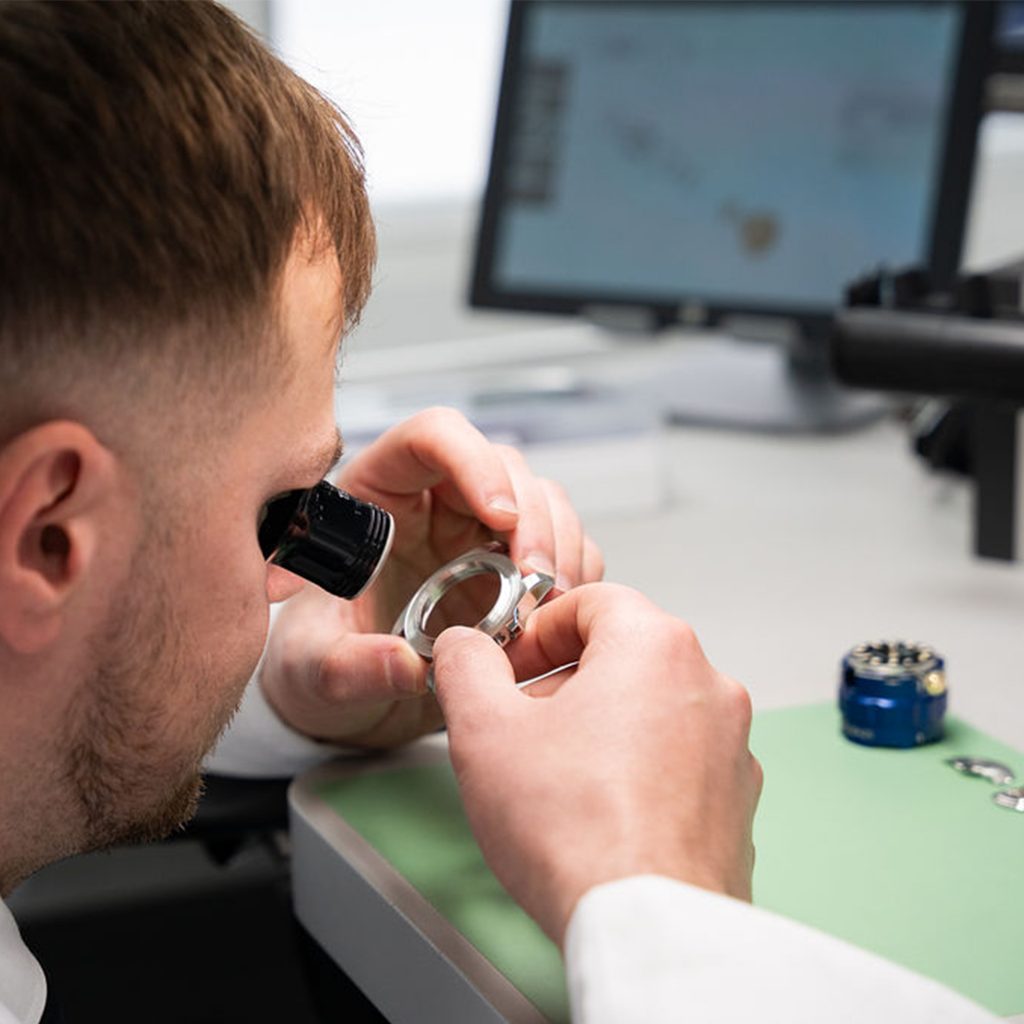
Why Movements Matter
Mechanical Movements
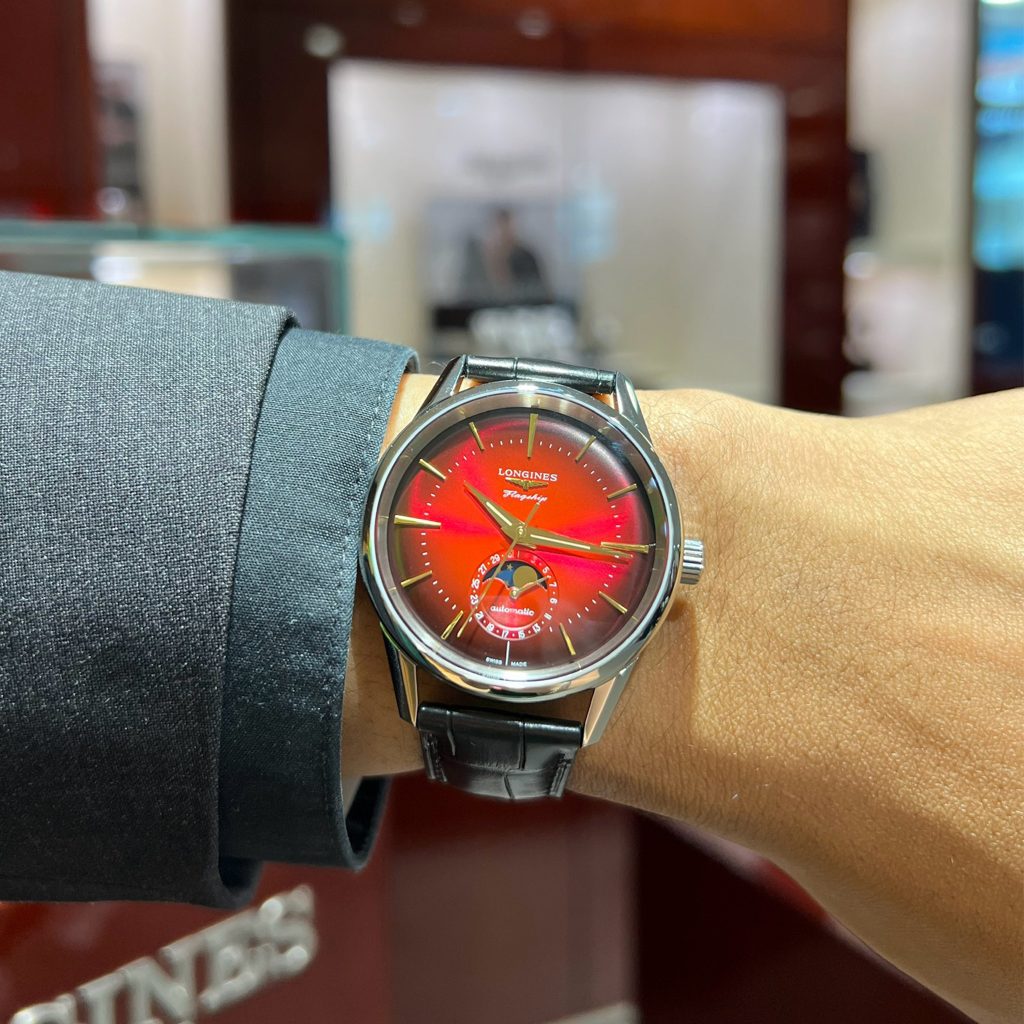
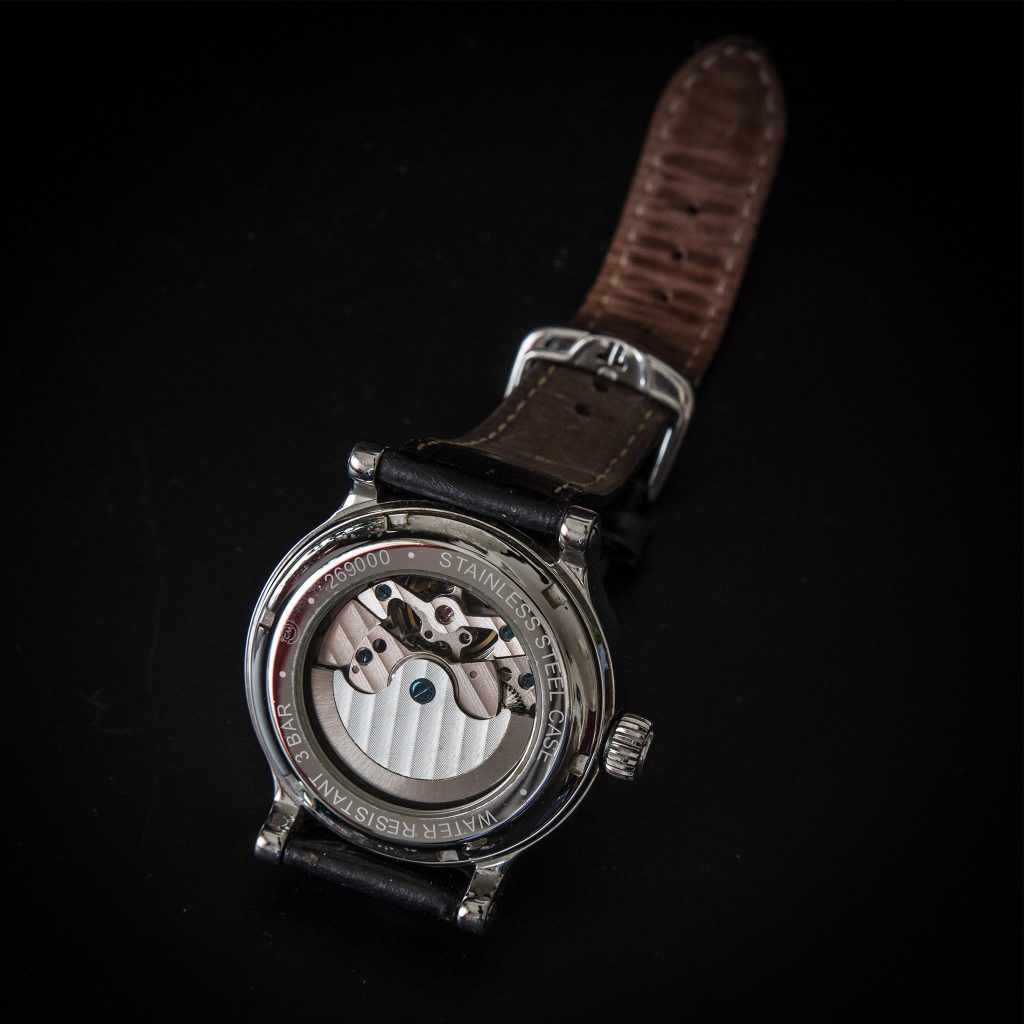
Mechanical movements operate through gears and springs. Energy is stored in a mainspring which is either wound by hand or through the natural motion of the wrist if the watch has an automatic mechanism. When wound, the spring releases energy that powers the gears, keeping the hands moving.
Many people appreciate mechanical watches for their heritage and the craftsmanship required to assemble them. They are valued for the smooth motion of the second hand rather than the distinct ticking found in quartz models. However, these watches require regular maintenance. Servicing every few years ensures that the oils inside the mechanism remain effective and the gears continue to move correctly.
Quartz Movements
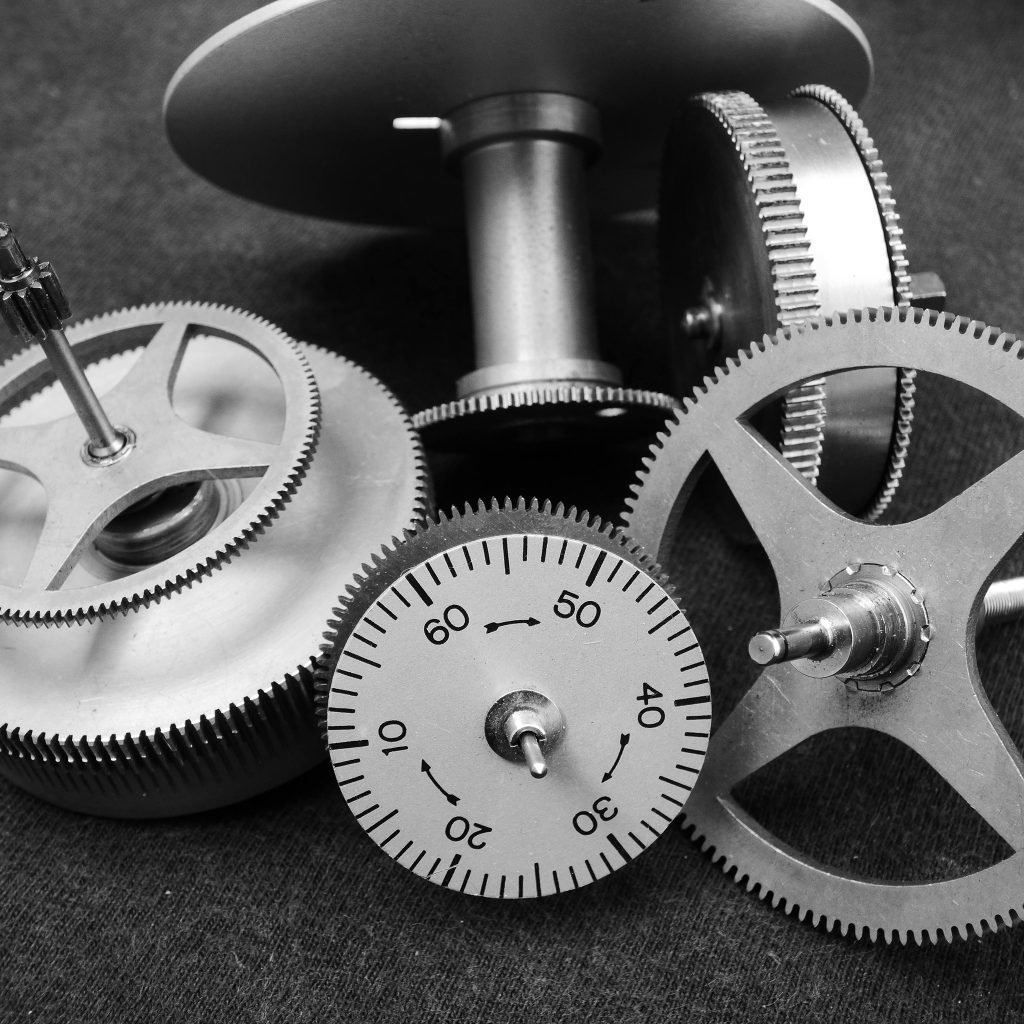
Quartz movements use a battery to send an electrical charge through a quartz crystal, which vibrates at a consistent frequency. These vibrations regulate the movement of the gears, ensuring exceptional accuracy. Unlike mechanical watches, quartz models require very little maintenance. Battery replacement every couple of years is usually all that is needed.
While quartz movements are often seen as more accessible, Swiss-made quartz watches still reflect high standards of design and production. They are a practical option for those who want accuracy and convenience without the need for regular servicing.
Comparing Mechanical and Quartz
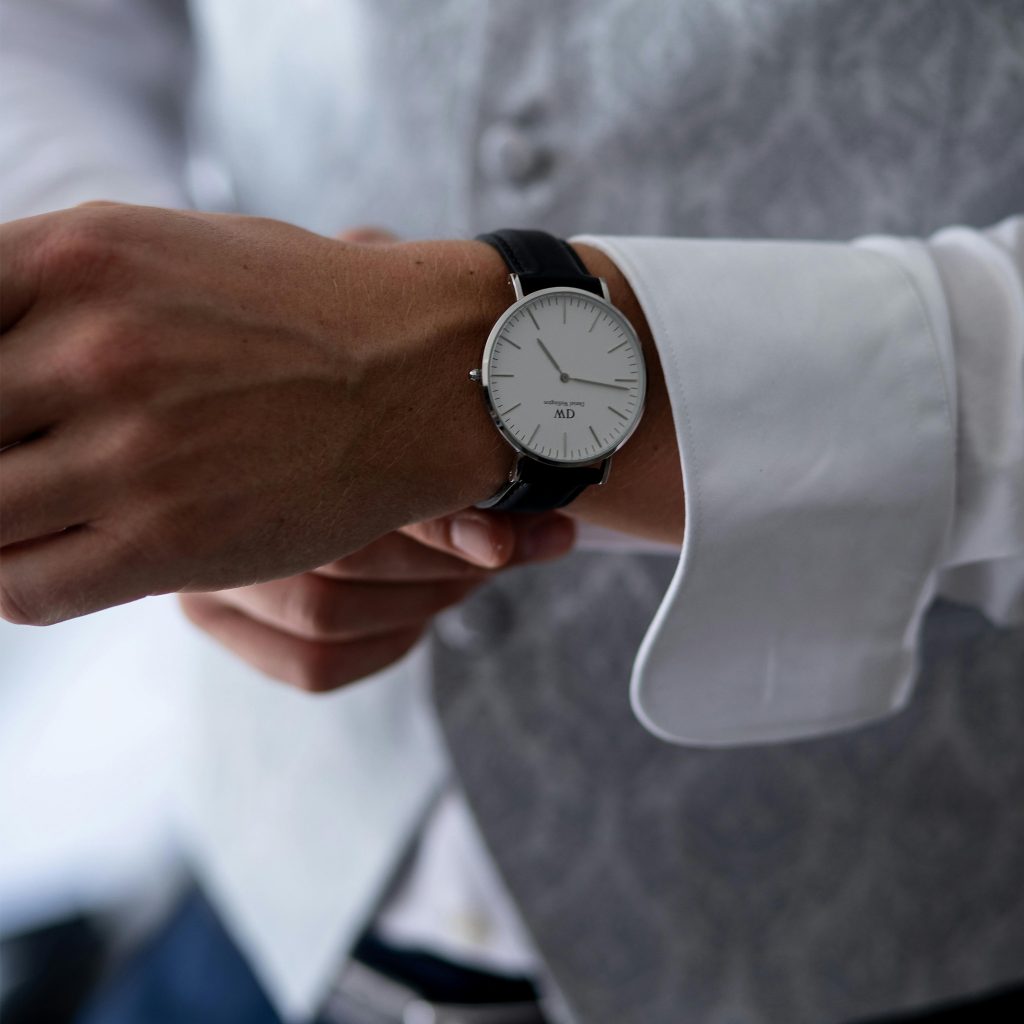
Mechanical watches appeal to those who want a traditional experience, where owning a watch is as much about appreciation for the mechanism as it is about telling the time. They are, however, less accurate than quartz and require more attention over the years.
Quartz watches, on the other hand, are more reliable in day-to-day use and usually cost less to maintain. Choosing between the two depends largely on whether you value tradition and craftsmanship or precision and simplicity.
Materials Used in Swiss Watches
Stainless Steel
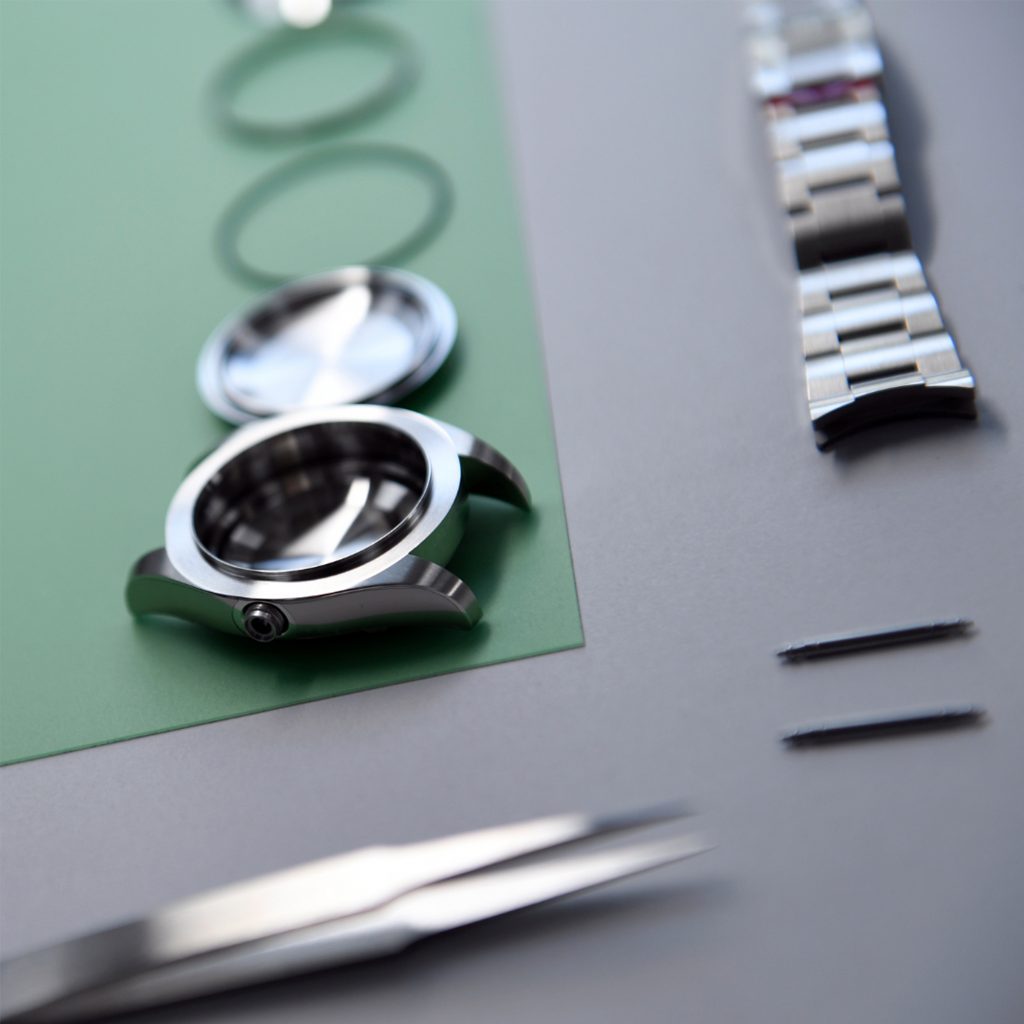
Stainless steel is one of the most common materials in watchmaking. It is highly resistant to corrosion, relatively light, and strong enough to withstand everyday use. Steel also offers a modern, professional appearance, making it suitable for a wide range of occasions.
Precious Metals
Gold and platinum are frequently used in higher-end Swiss watches. They are valued for their durability and the fact they do not tarnish over time. These metals also have a visual appeal that many buyers seek, though they are heavier and more expensive than steel.
Titanium
Titanium is becoming increasingly popular due to its strength and lightweight feel. It is also hypoallergenic, making it suitable for those with sensitive skin. While it is more prone to scratches than steel, it is extremely durable and comfortable to wear.
Ceramic
Ceramic has gained attention in recent years for its resistance to scratches and ability to retain colour. It feels lighter than metal and can create a sleek appearance. The main drawback is that ceramic can crack or shatter under sharp impact, although with careful use it lasts a long time.
Sapphire Crystal
The glass covering the dial is one of the most important elements in determining longevity. Sapphire crystal, often used in Swiss watches, is highly resistant to scratches and provides excellent clarity. While it is harder than mineral glass, it can still chip if struck at the wrong angle. Mineral glass, found in more affordable watches, is less scratch-resistant and will show wear more quickly.
Water Resistance
Comfort and Wearability
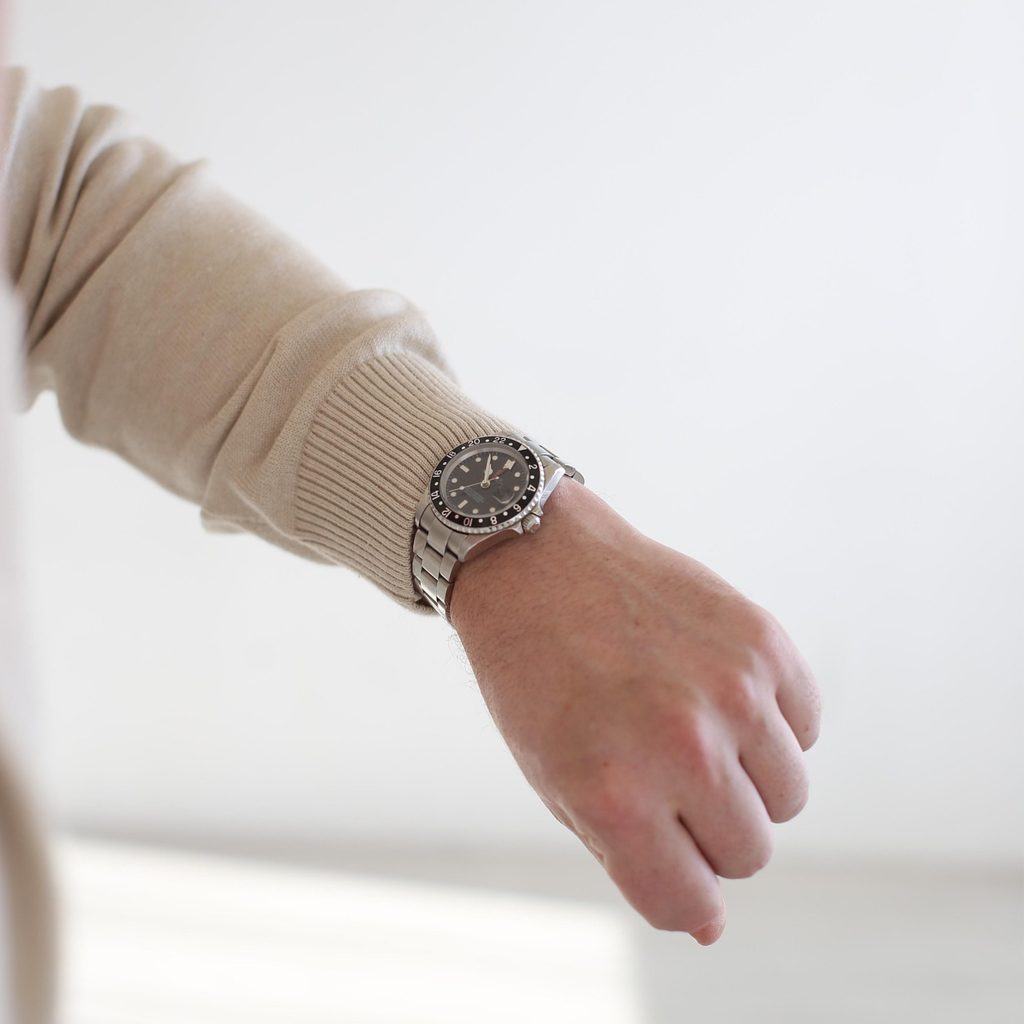
The material of the bracelet or strap makes a significant difference to comfort. Stainless steel bracelets are long-lasting and versatile, while leather straps provide a classic look but may wear out more quickly. Rubber or synthetic straps are often used for sports models because they cope better with sweat and water.
Weight also affects comfort. Gold and platinum watches feel heavier, while titanium and ceramic options are lighter. Trying on different materials before purchase can help determine what feels right on your wrist.
Servicing and Longevity
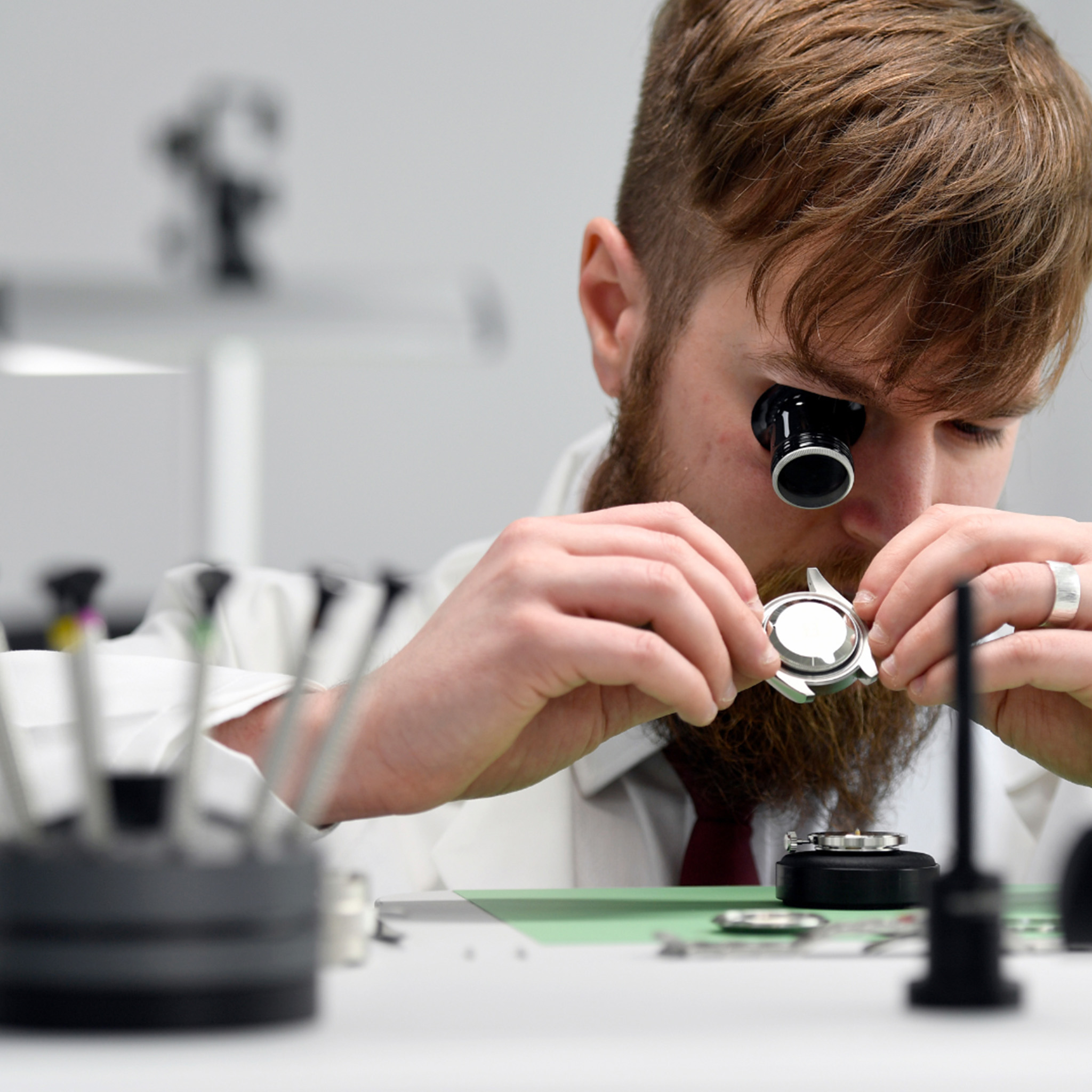
Buying a Swiss watch is not a one-time decision. Mechanical models need servicing roughly every three to five years to maintain accuracy and performance. Quartz models are easier to manage but still benefit from occasional checks, particularly for water resistance.
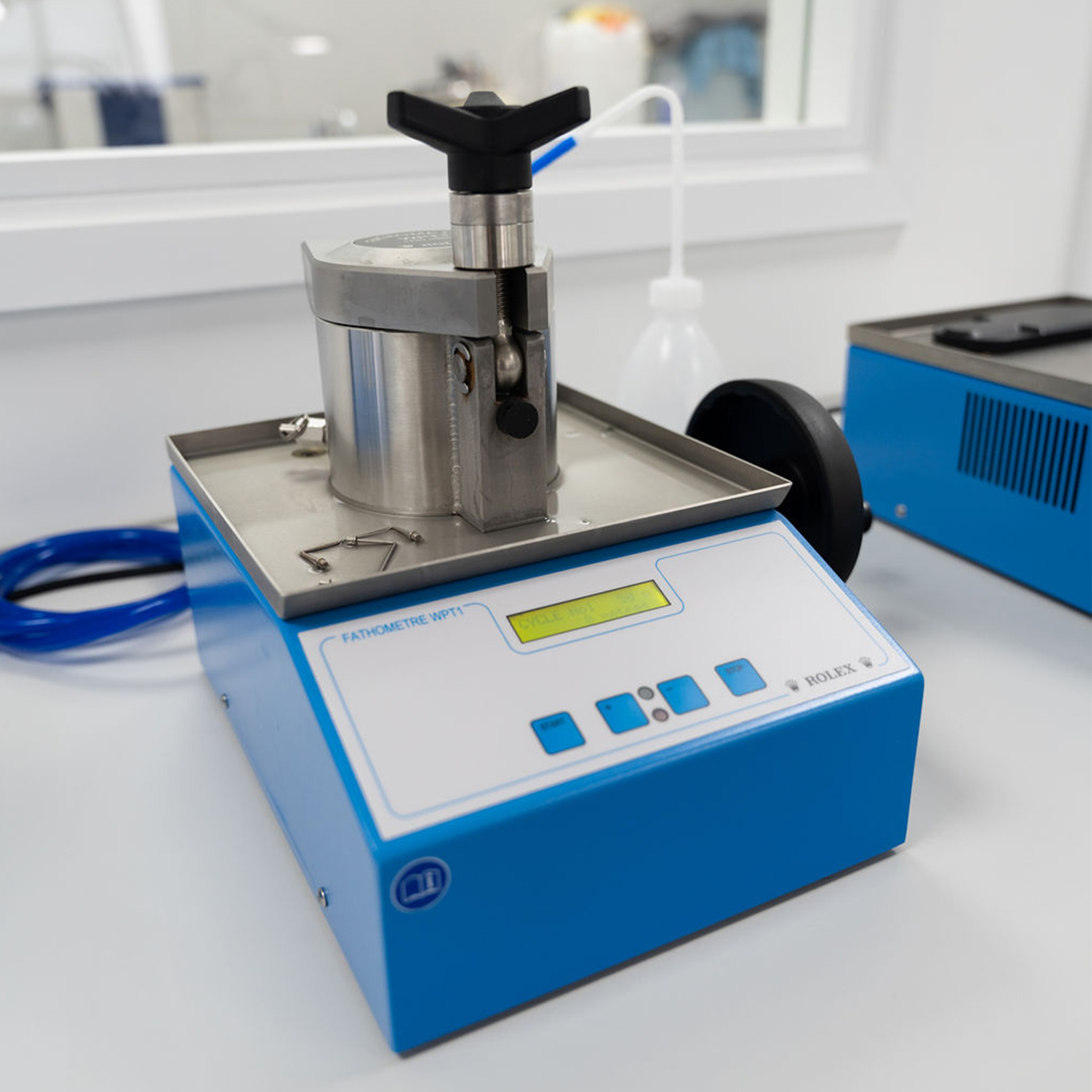
The materials chosen influence how well the watch will look after years of use. Steel and sapphire crystal stand up very well, while gold and leather may show signs of wear more quickly. Proper care, including keeping the watch away from strong magnets and storing it securely, also extends its lifespan.
Investment Considerations
Making the Right Choice
Before purchasing, consider your lifestyle and priorities. If you want a watch that reflects traditional engineering and are prepared to maintain it, a mechanical model may suit you. If you prefer low maintenance with excellent accuracy, quartz will be more appropriate.
Materials should also be matched to your needs. Those who want a durable, everyday watch may lean towards steel and sapphire crystal, while buyers seeking prestige may prefer gold or platinum. For lightness and comfort, titanium or ceramic could be the right path.
Final Thoughts
A Swiss watch has so much more to it than keeping the time. It represents decades of expertise and careful selection of materials and movements. By understanding the differences between mechanical and quartz mechanisms, and by considering how steel, gold, titanium, ceramic, and sapphire affect performance, you can choose a piece that matches both your daily requirements and long-term expectations.
Taking the time to understand these details ensures that your investment is well-informed and that the watch you choose will serve you faithfully for many years.