


Swiss Watches Explained: What Makes Them So Special?

What is a Swiss Watch?
To answer what is a Swiss watch, you have to look beyond just the country of origin. It isn’t enough for a watch to be made in Switzerland because there are strict requirements in place to protect the reputation of Swiss timepieces.
For a watch to be officially recognised as Swiss, it must meet several conditions set by the Swiss government. These include:
- The movement (the mechanism inside the watch) must be Swiss.
- The movement must be assembled and inspected in Switzerland.
- At least 60% of the production costs must be generated in Switzerland.
These rules ensure that the quality, materials, and workmanship reflect the high standards people expect when they invest in a Swiss watch.

A Brief Swiss Watch Guide
Switzerland’s watchmaking industry dates back to the 16th century when French Huguenots fleeing religious persecution brought their skills to the region. By the 19th and 20th centuries, Swiss manufacturers had become global leaders in mechanical watch production.
Today, Swiss watches are produced in a range of categories, from affordable entry-level pieces to some of the most exclusive luxury timepieces available.
The country’s reputation for watchmaking didn’t happen overnight. Decades of investment in research, strict quality control, and innovation have helped Swiss brands dominate the market. This history is a key reason buyers seek out Swiss watches over other options.
Benefits of Swiss Watches
It’s easy to wonder if a Swiss watch is worth the price tag. The reality is, they offer several advantages that set them apart.
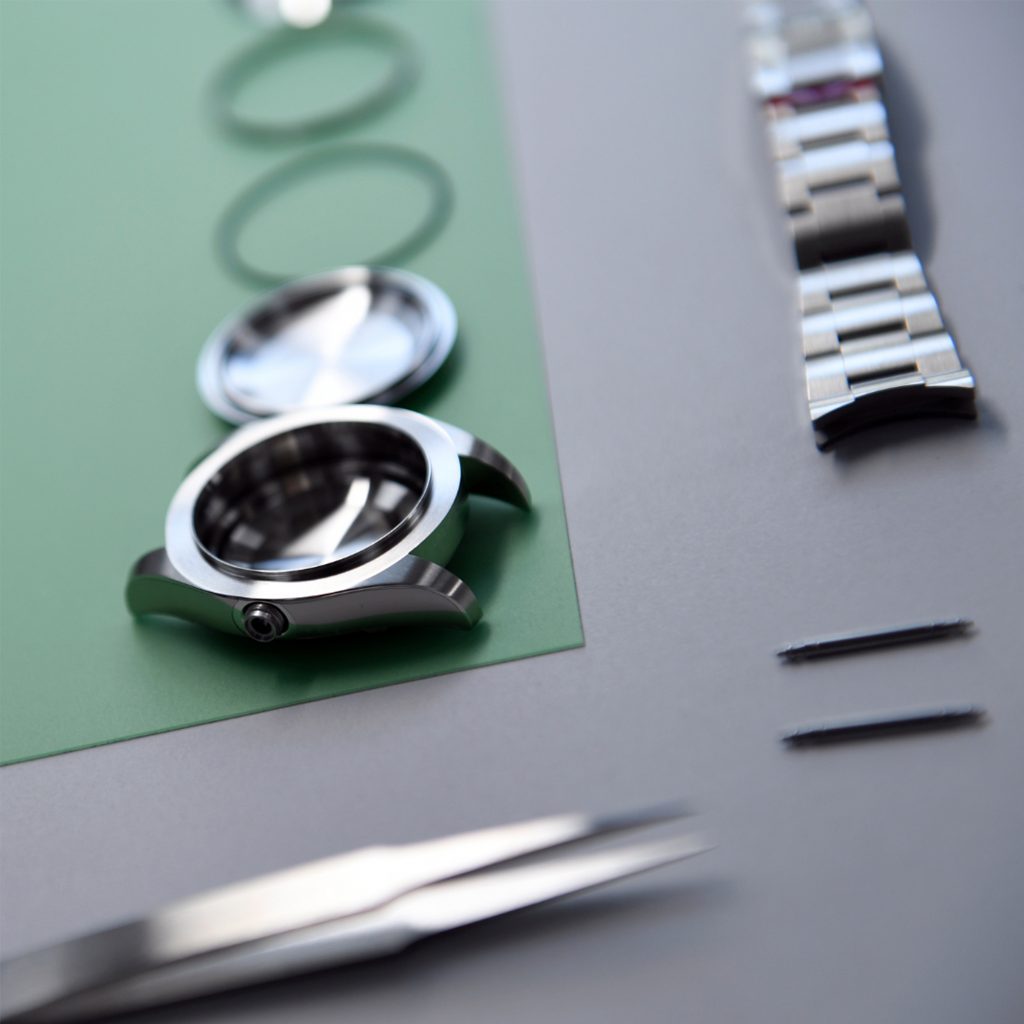
- Superior Quality: Swiss watches are made with materials designed to last. Sapphire crystal glass, stainless steel, gold, and high-grade movements all contribute to their durability. Many Swiss watches remain in working condition for decades, with only routine maintenance.
- Precision: One of the biggest benefits of Swiss watches is accuracy. Brands invest heavily in technology and testing to ensure movements stay precise, whether quartz or mechanical.
- Resale Value: Unlike many mass-produced alternatives, Swiss watches tend to hold their value. In some cases, certain models even increase in price over time, particularly limited editions or vintage pieces.
- Heritage and Tradition: Buying a Swiss watch means investing in generations of watchmaking expertise. This tradition influences both the design and mechanical reliability of these timepieces.
- Wide Selection: Swiss watches cater to all tastes. Whether you prefer a minimalist dial, complex chronographs, or classic mechanical movements, there’s something for everyone.

Swiss Watch Craftsmanship
A key reason for Switzerland’s reputation is the level of attention given to every detail during production. Swiss watch craftsmanship is often a step above the rest, with many watches assembled largely by hand rather than by automated machines.
Highly trained watchmakers spend years perfecting their skills, often passing them down through family-run workshops. These specialists focus on ensuring the movement works smoothly, the case is well-finished, and the watch can withstand daily use for years to come.
Swiss manufacturers also apply strict quality checks. Watches are tested for water resistance, shock resistance, and timekeeping accuracy. Some brands, even exceed the industry standards by applying their own additional inspections.
For many buyers, this level of attention is the most appealing part of owning a Swiss watch. It provides peace of mind that the timepiece won’t let you down.

Swiss vs Japanese Watches
A common question for buyers is the difference between Swiss vs Japanese watches. Both countries produce reliable, well-made watches, but they differ in approach and reputation.
Swiss Watches: Known for tradition, luxury, and prestige. Swiss watches often feature mechanical movements, fine detailing, and often carry a higher price point. Buyers choose them for craftsmanship, status, and lasting value.
Japanese Watches: Brands like Seiko, Citizen, and Casio are known for practicality, innovation, and affordability. Many Japanese watches focus on quartz movements, solar power, and advanced technology such as GPS or atomic timekeeping. They’re reliable, functional, and accessible to a wide range of budgets.
While Swiss watches lean towards luxury and mechanical excellence, Japanese watches excel in technology and day-to-day reliability. There’s no right or wrong choice because it depends on personal preference. If you want tradition and refinement, Swiss is often the preferred option. If you value modern features and cost-effectiveness, Japanese watches stand out.
The Rise of Luxury Timepieces
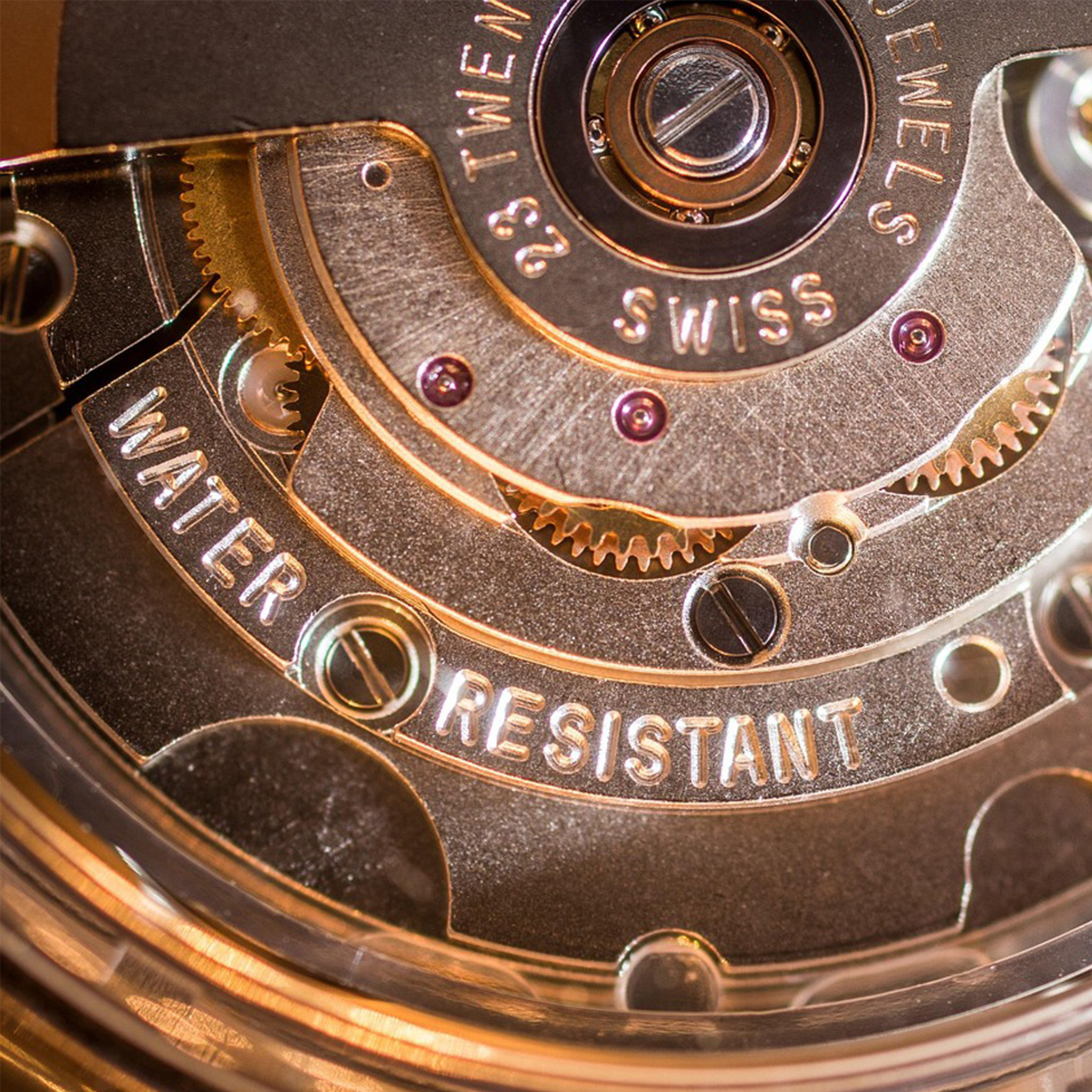
Interest in luxury timepieces continues to grow worldwide, and Swiss watches are at the heart of that market. Some brands are now seen as both status symbols and long-term investments.
Certain models are so sought after that buyers face long waiting lists. This scarcity fuels their desirability and pushes resale prices higher.
Luxury watches are no longer reserved for collectors or enthusiasts. Increasingly, people are buying them as assets, passing them down through families, or using them to mark major life milestones such as promotions, weddings, or anniversaries.

Are Swiss Watches Worth It?
For those considering a Swiss watch, the question often comes down to value. While these timepieces carry a higher price tag than some competitors, they also offer benefits that cheaper options struggle to match.
If you appreciate mechanical craftsmanship, durability, and heritage, a Swiss watch offers long-term satisfaction. Regular maintenance can keep the watch running for decades, making it more than just a short-term purchase.
For others, it’s about personal expression. Wearing a Swiss watch shows attention to detail and respect for history.
Final Thoughts
Swiss watches hold a unique place in both watchmaking and fashion. Their reputation isn’t based on marketing alone — it’s built on centuries of expertise, innovation, and careful production.
For those asking what is a Swiss watch, the answer lies in the standards behind each timepiece. Swiss watches offer precision, durability, and a connection to a respected tradition. They continue to set the bar for quality, with options ranging from accessible daily wear to exclusive collector’s items.
Whether you’re browsing out of curiosity or considering an investment, a reliable Swiss watch guide helps cut through the noise and focus on what matters most — quality, reliability, and heritage.