Luxury jewellery continues to move away from being purely symbolic of wealth and status and towards something far more personal. Buyers want pieces that feel considered, meaningful and made to last, rather than items chosen simply because they follow a seasonal look. Emotional connection now plays a central role in purchasing decisions, with craftsmanship and intention carrying just as much weight as visual impact. Jewellery houses responding to this shift focus on depth rather than novelty, designing collections that feel relevant now and still desirable many years from today.
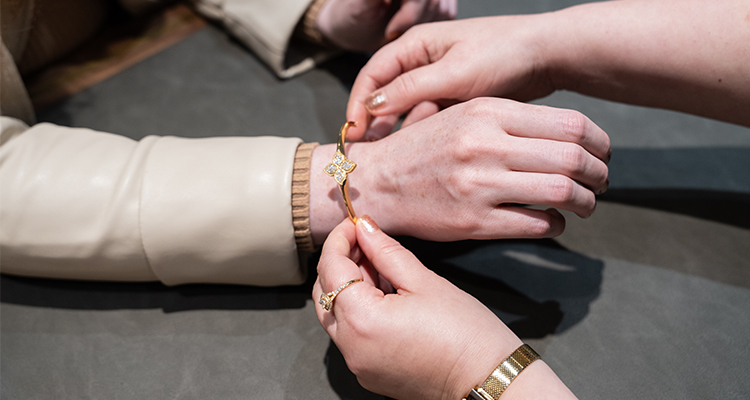
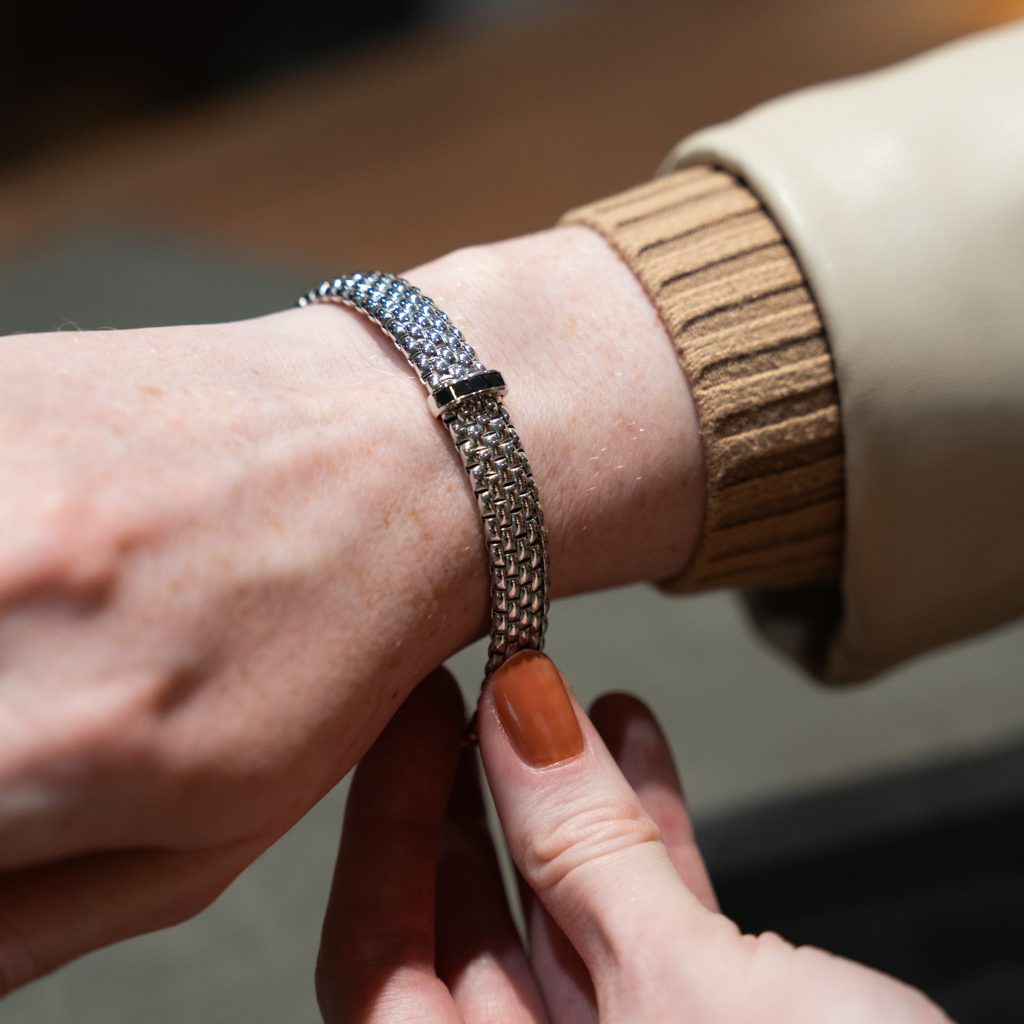
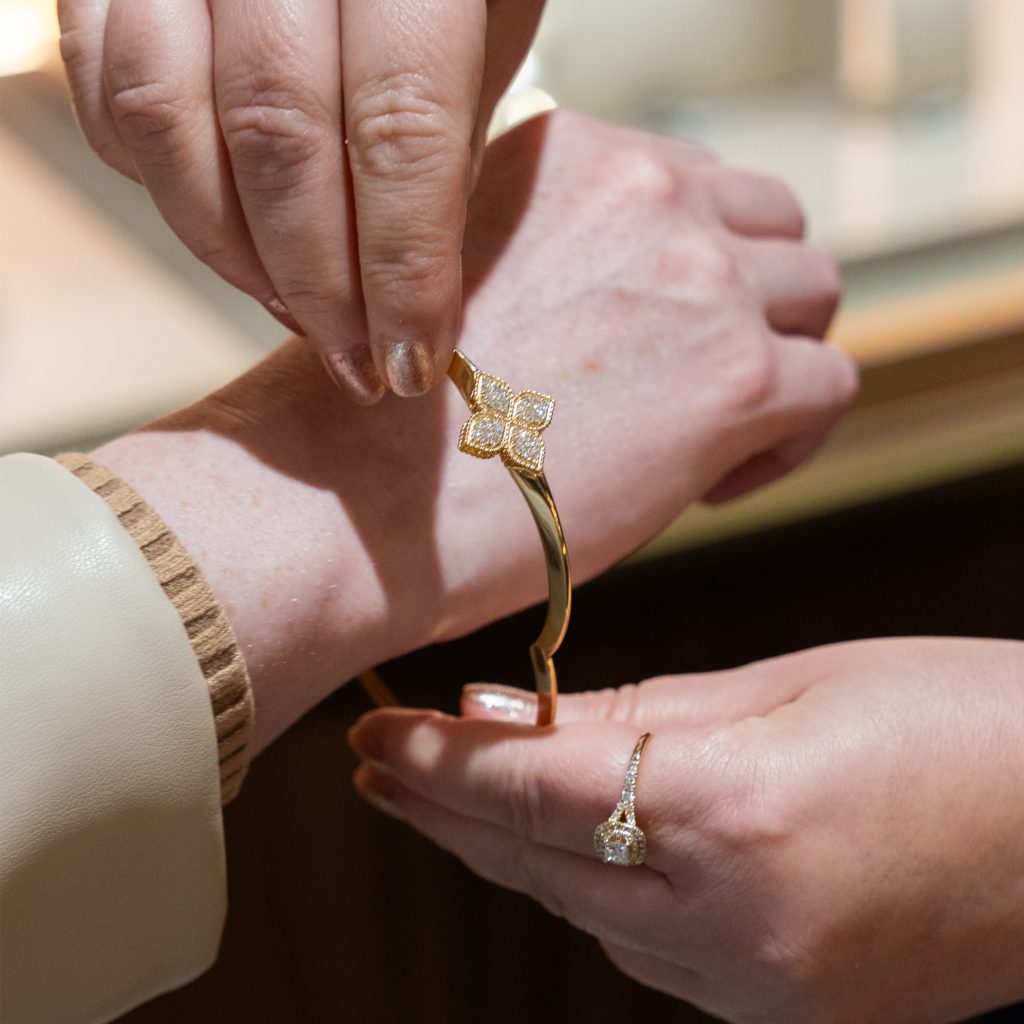
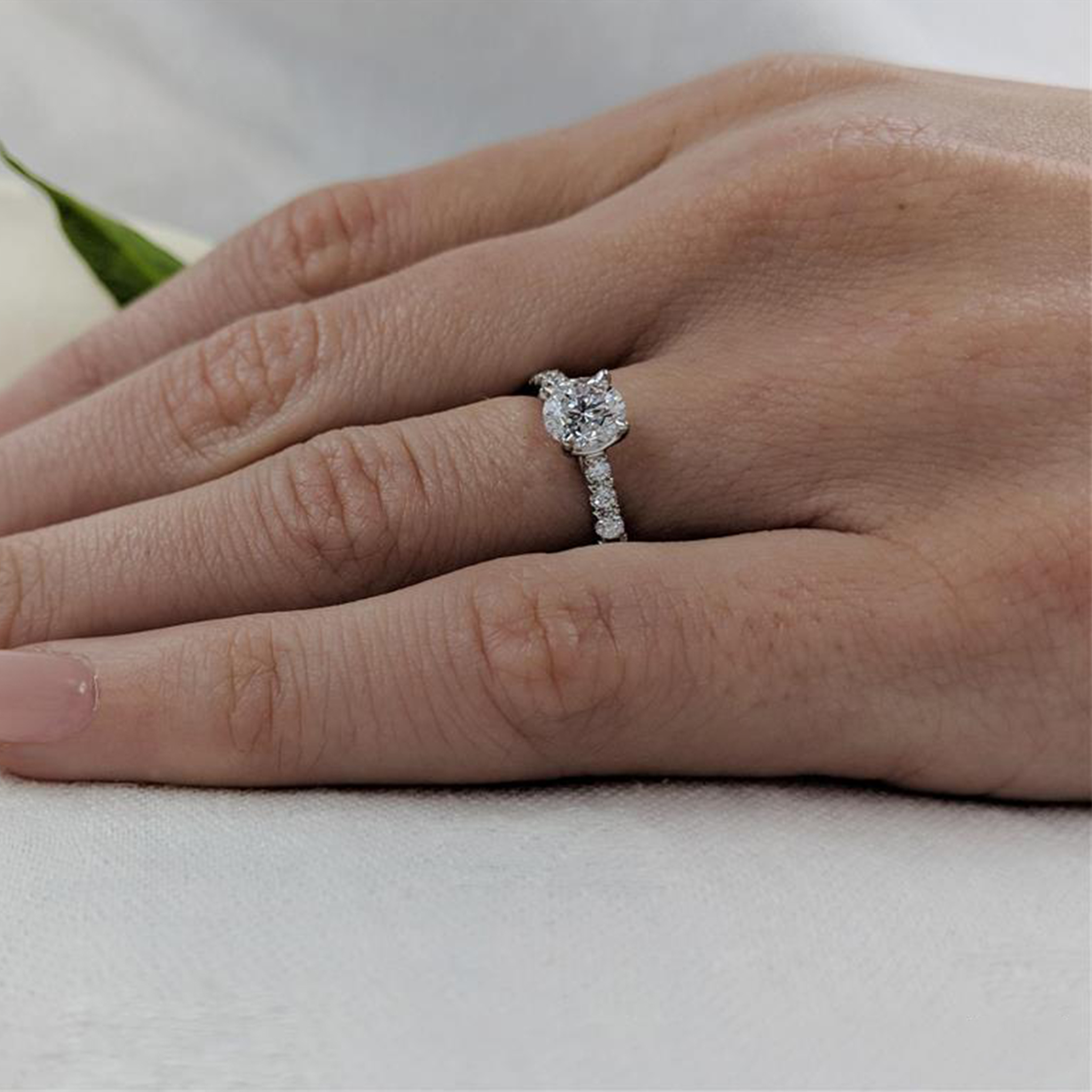
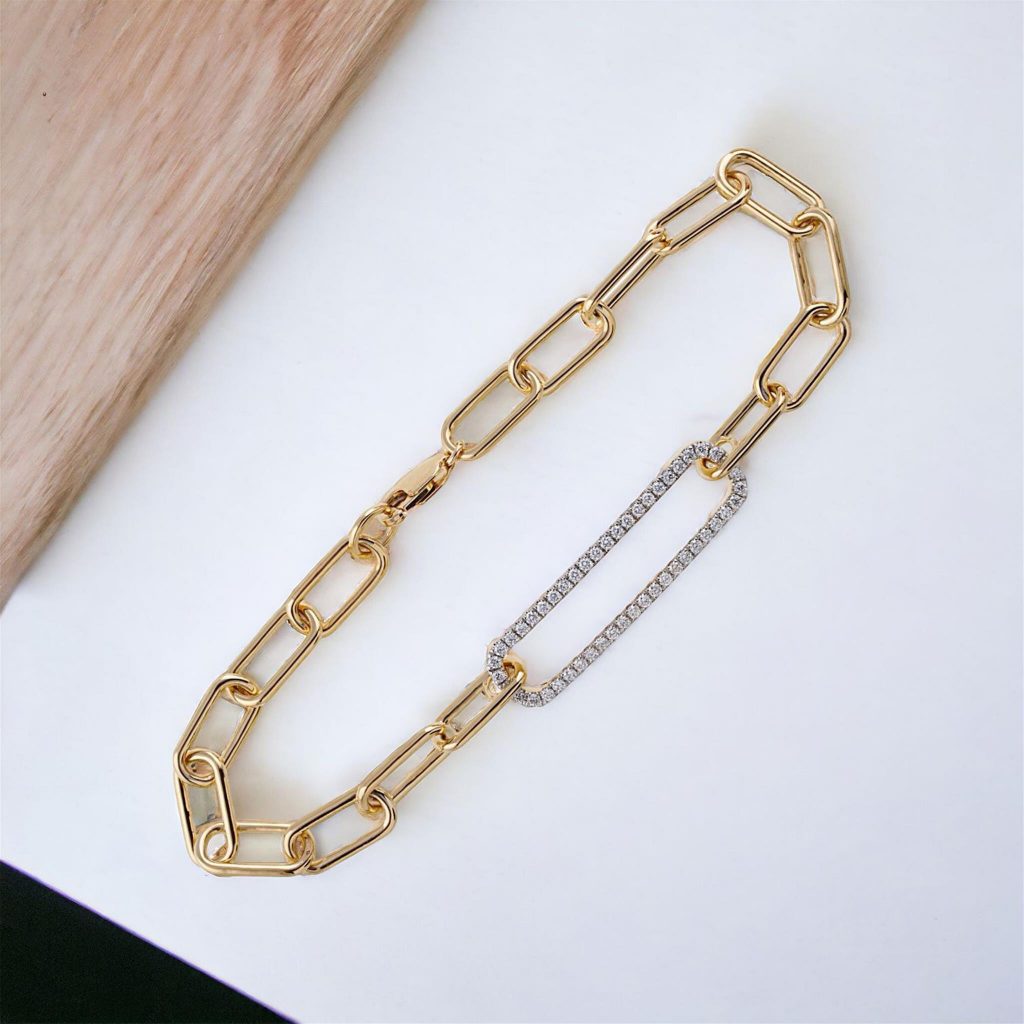
High jewellery feels far less reserved than it once did. Designers increasingly imagine how pieces fit into everyday routines rather than special occasions alone. Necklaces sit lower and flatter against the skin, rings are shaped for comfort, and bracelets move naturally with the wrist. Luxury still looks impressive, yet it feels easier to wear and far less precious in the traditional sense. This change reflects how people live now, where fine jewellery becomes part of daily expression rather than something locked away.
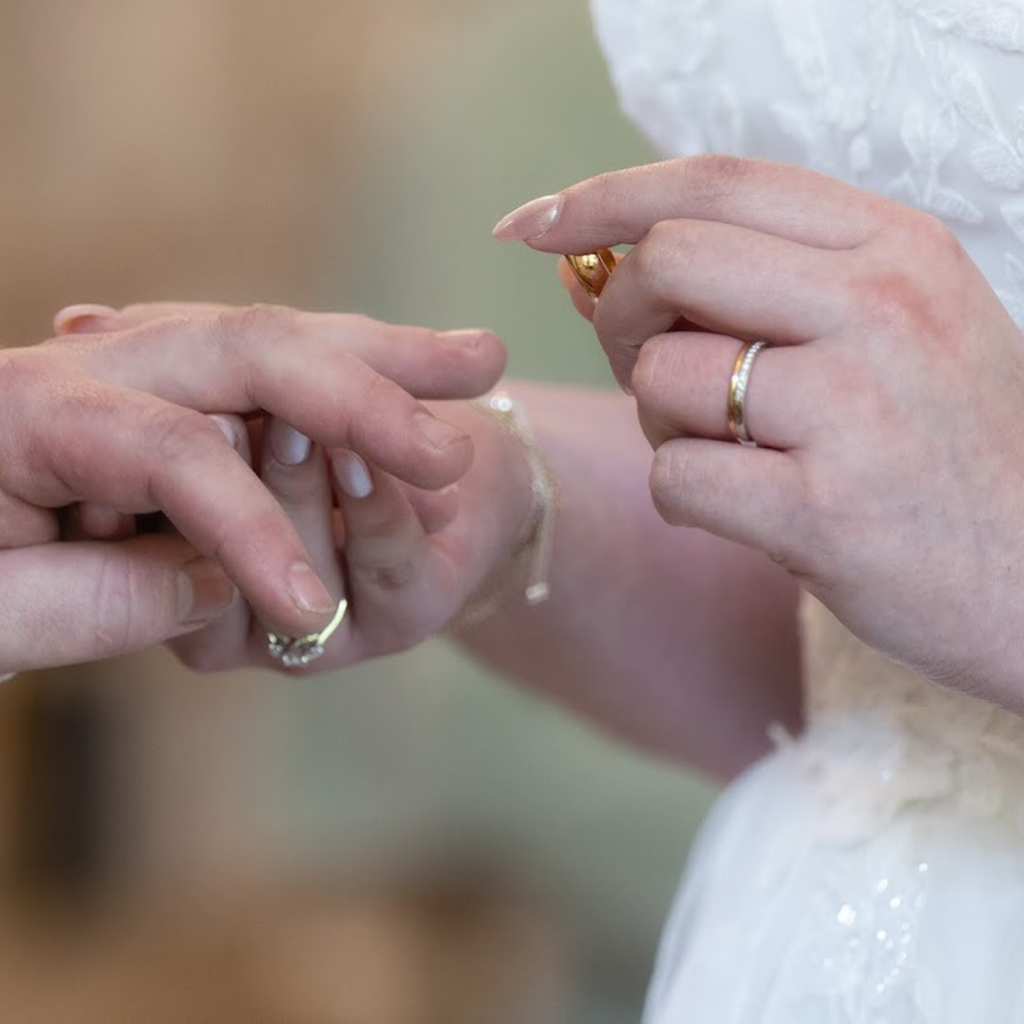
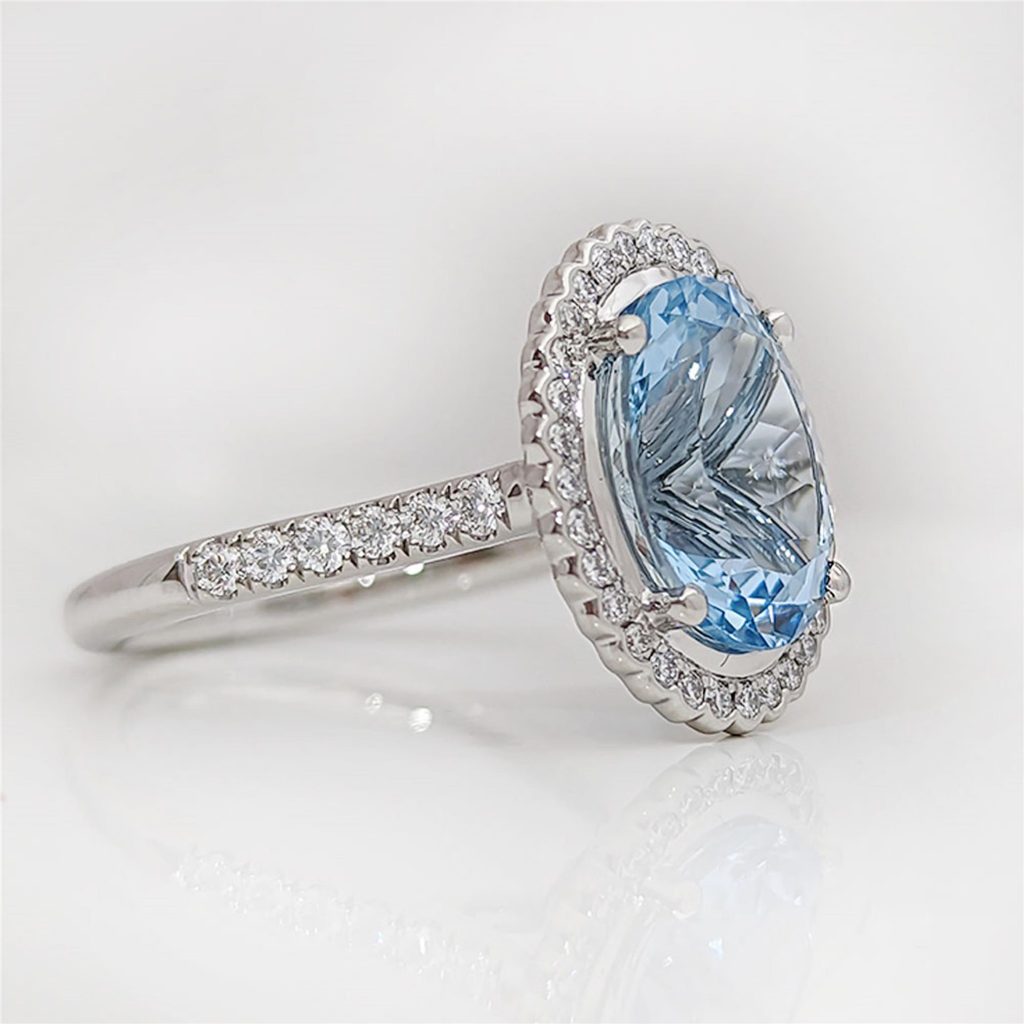
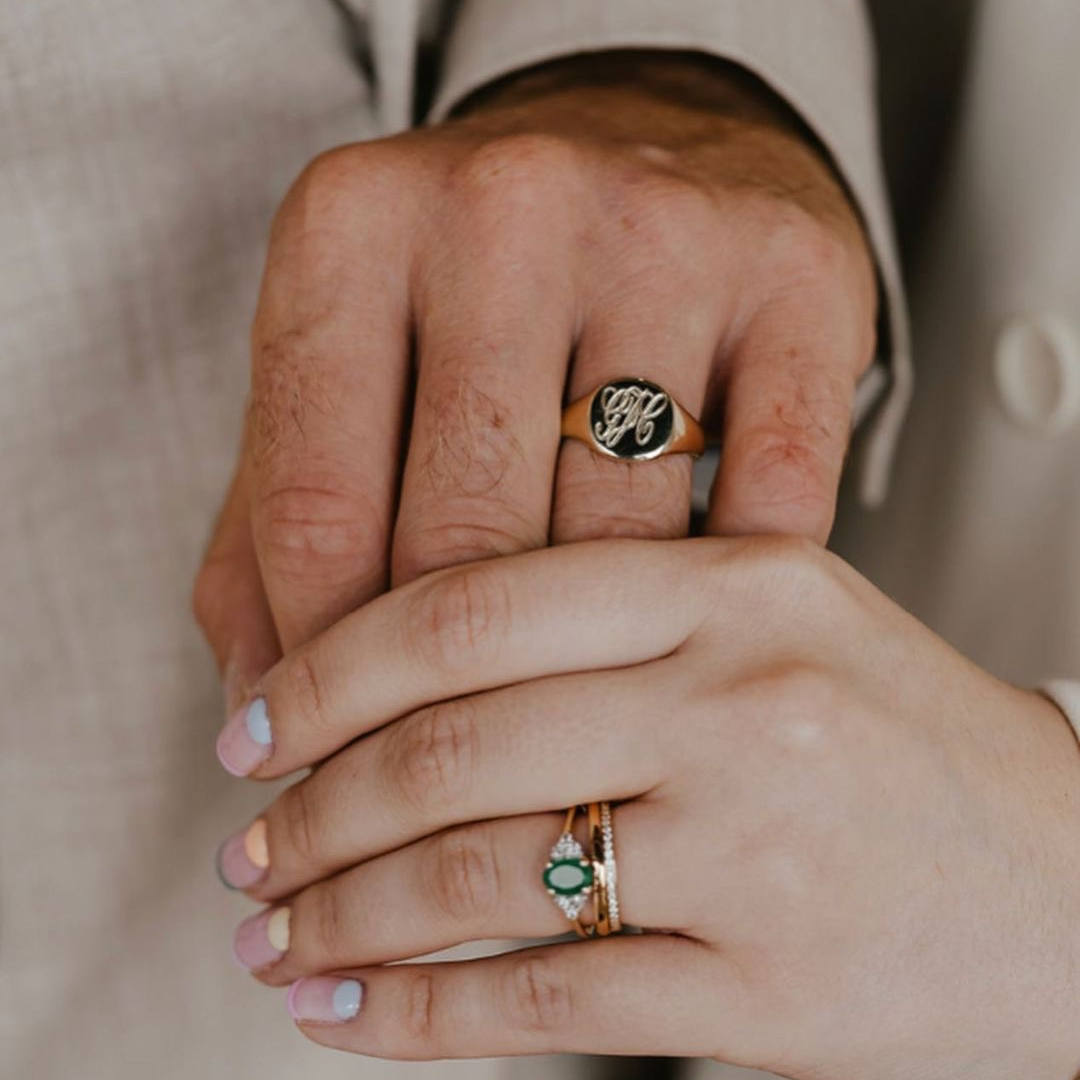
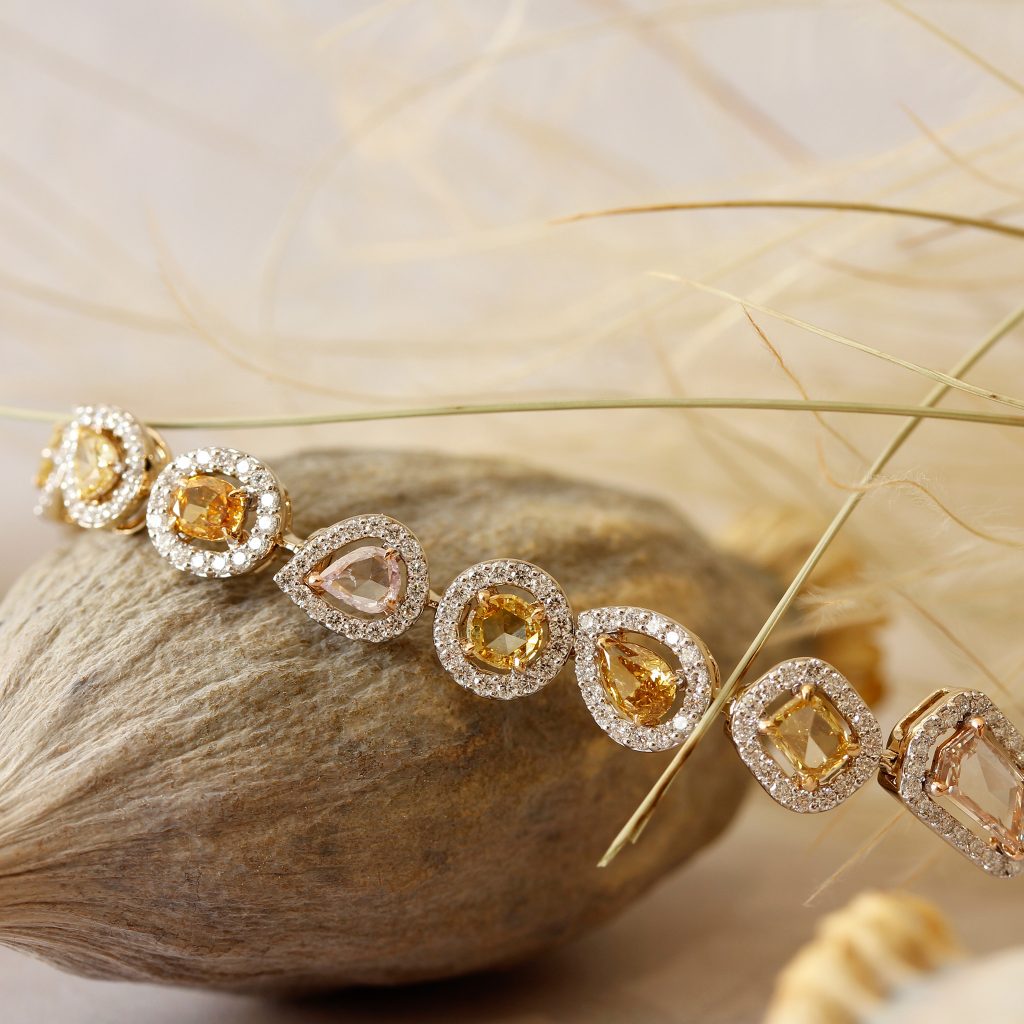
Personalised jewellery has grown beyond initials and dates. Clients now want deeper involvement in the design process, choosing gemstones that hold personal significance or selecting settings that reflect their style rather than current fashion. Designers accommodate this by offering adaptable designs that allow thoughtful changes without compromising structure or quality. The result feels intentional rather than decorative. Jewellery created this way often carries stronger emotional value, which explains why buyers are willing to invest more time and care in the decision.
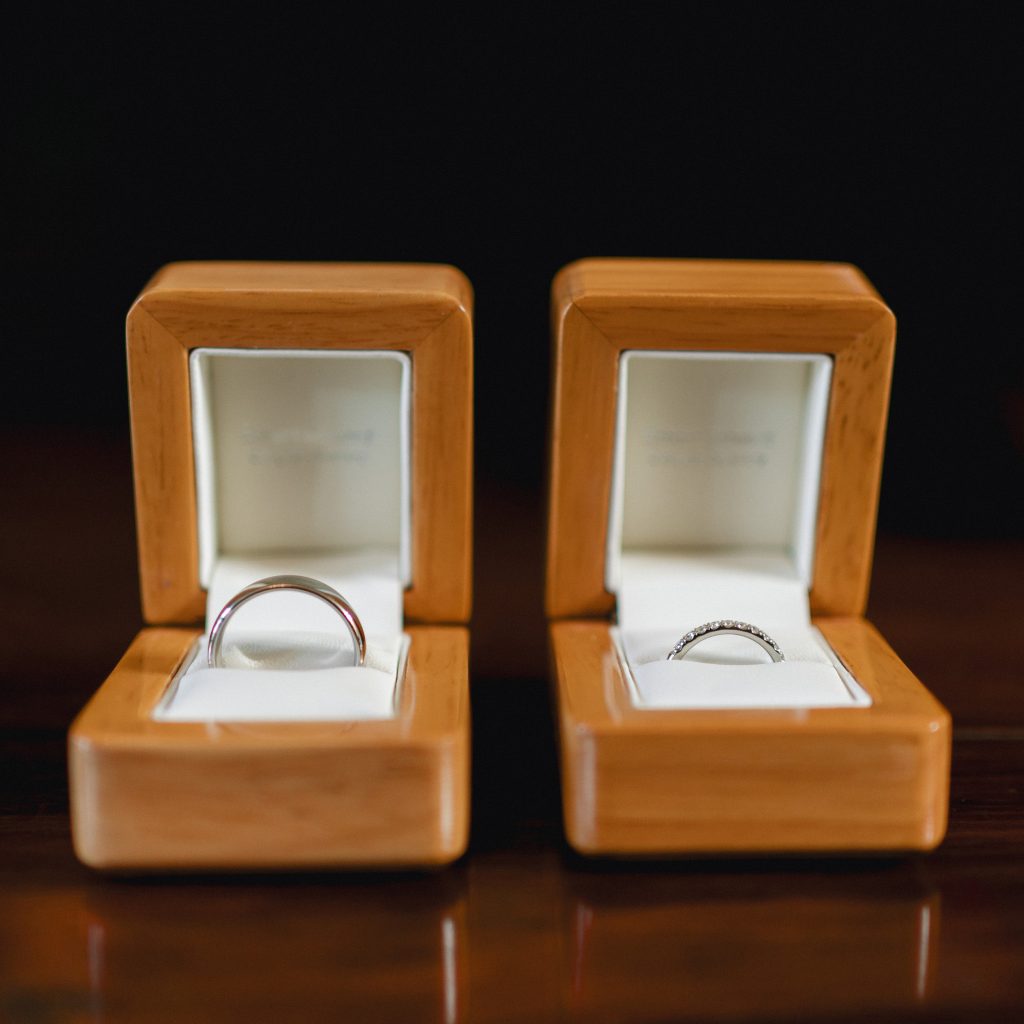
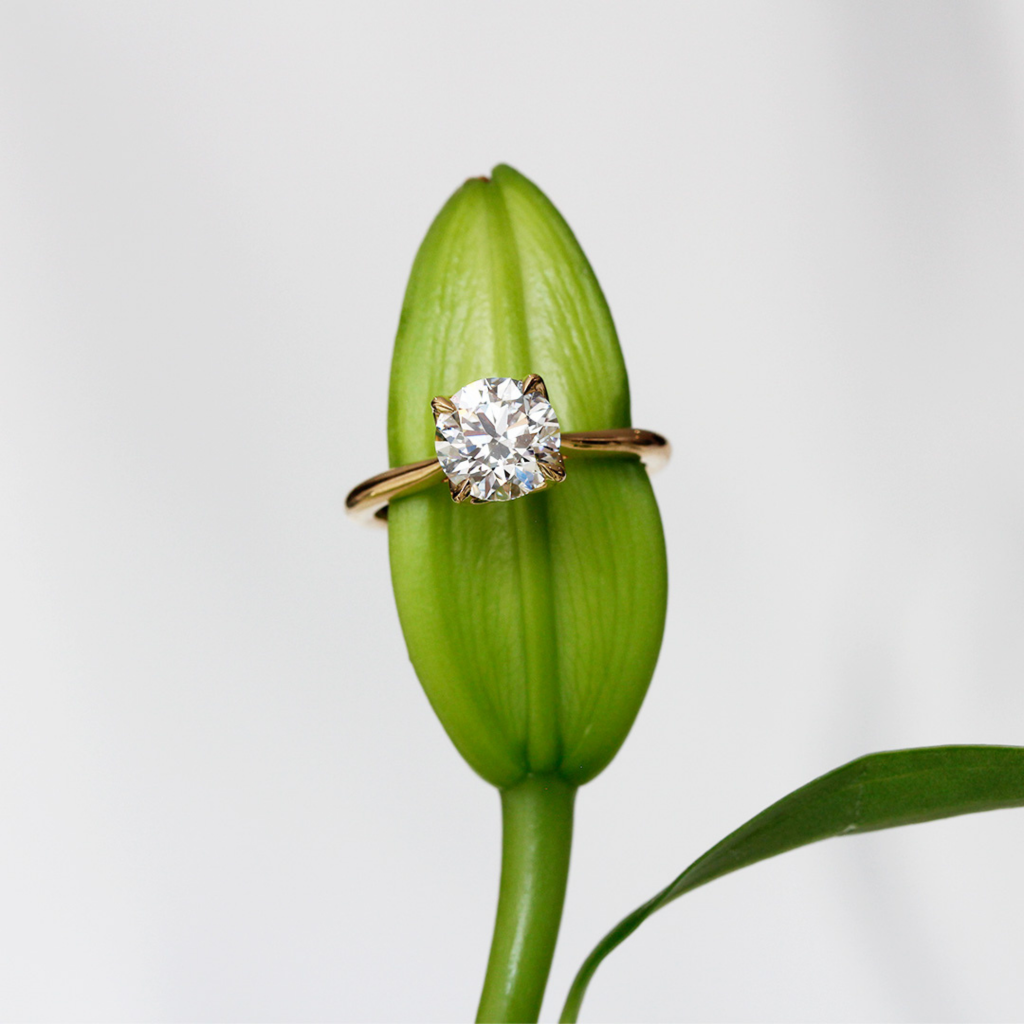
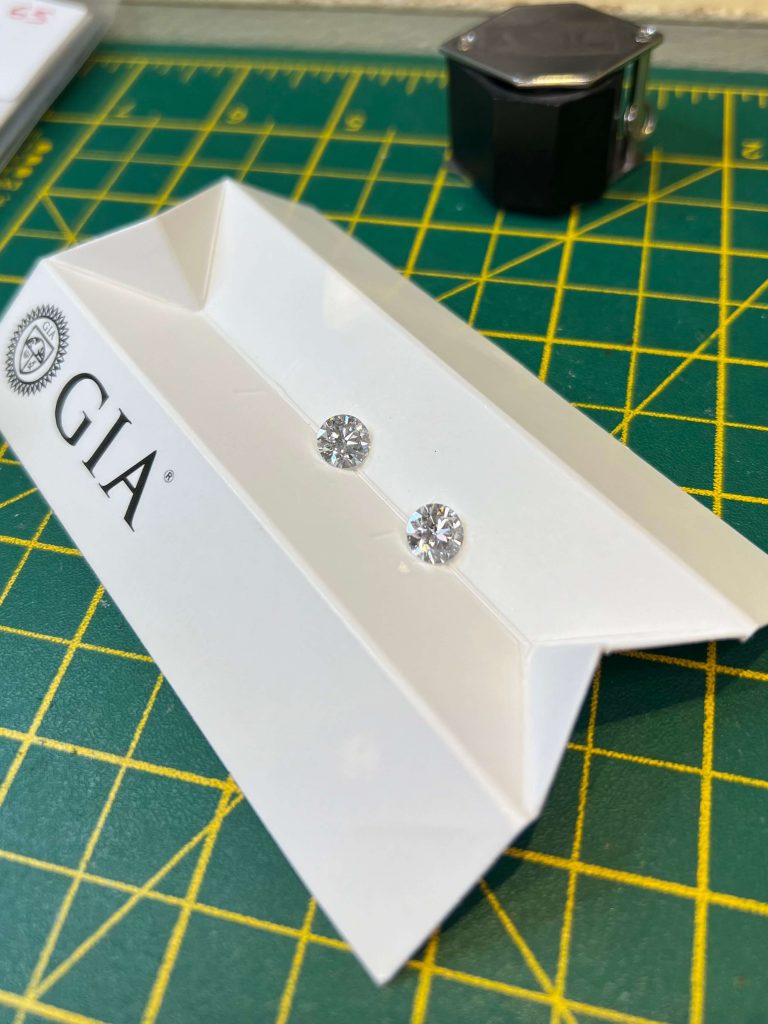
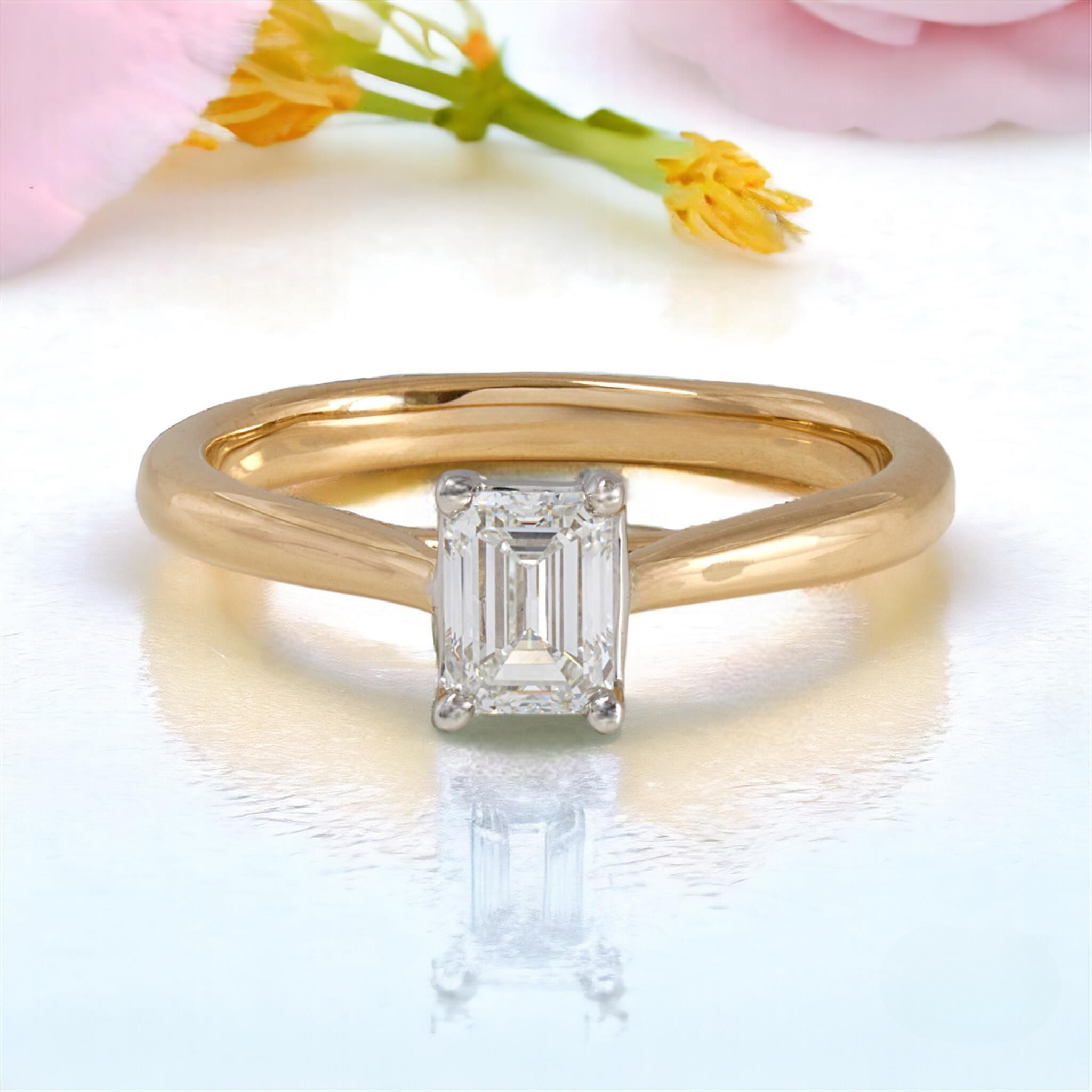
Laboratory-grown diamonds have evolved into a confident part of modern fine jewellery, now appearing within luxury collections as a considered choice in their own right. Designers are increasingly incorporating them into a wide range of styles, from refined classics to contemporary statement pieces.
Many clients appreciate the consistency and clarity that laboratory-grown diamonds can offer, along with transparent information around origin and certification. For some, they also provide a way to explore particular sizes or styles within a chosen budget, without compromising on the overall look or craftsmanship of the piece. As a result, the conversation is shifting from comparison to the broader design possibilities available across all diamond options.
Design references drawn from earlier eras remain popular, though execution feels noticeably more refined. Geometric patterns inspired by early twentieth-century styles appear with smoother edges and lighter settings. Ornate details feel more subtle, allowing craftsmanship to shine without overwhelming the piece. Modern techniques make these designs easier to wear while retaining their sense of heritage. This balance appeals to buyers who enjoy tradition but want jewellery that feels current rather than nostalgic.
Earrings play a defining role in jewellery styling for 2026. Sculptural forms, elongated drops and bold hoops offer impact without relying on excessive decoration. Designers focus on balance and movement, allowing earrings to catch light naturally as the wearer moves. Lightweight construction ensures comfort even with larger designs, which makes statement earrings practical rather than intimidating. A strong pair of earrings often replaces layered jewellery, creating a confident and uncluttered look.
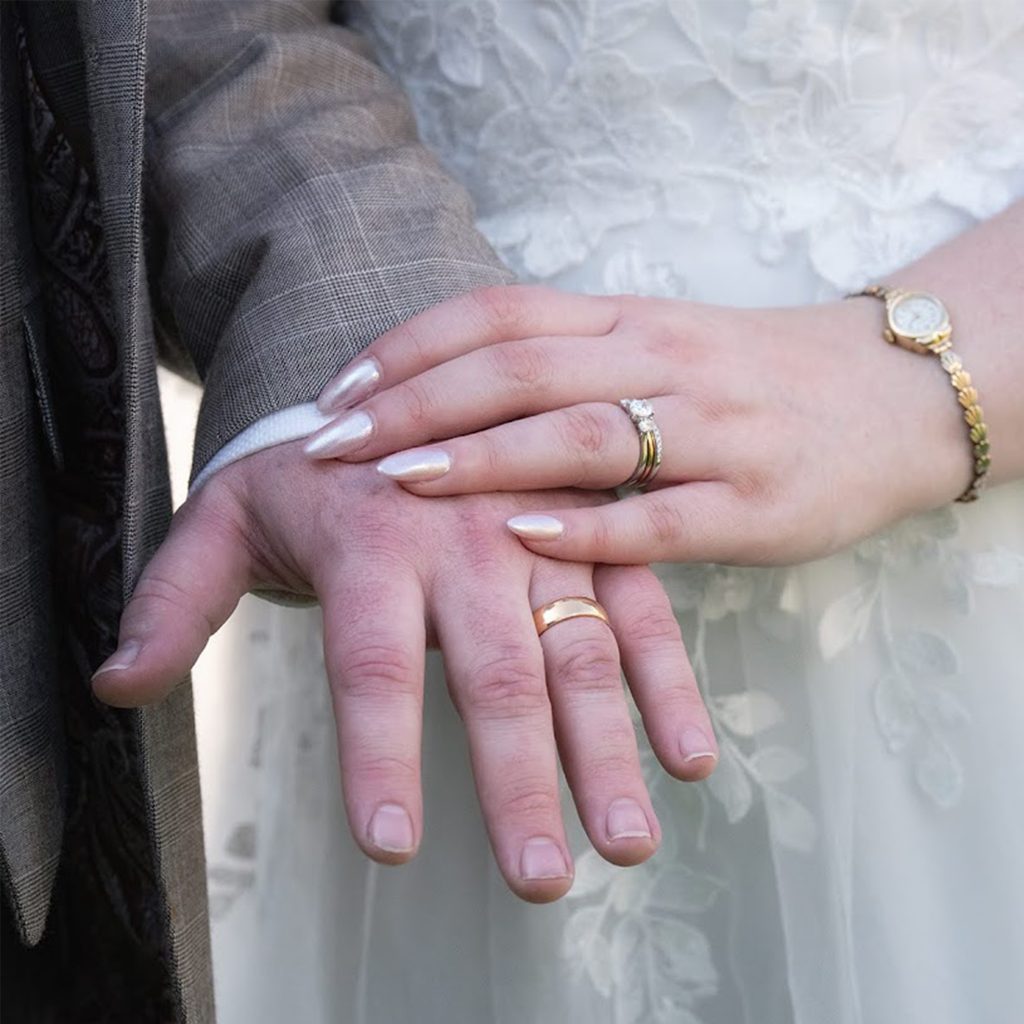
More buyers now consider how jewellery will age and whether it can be passed down. This mindset encourages classic silhouettes, durable materials and timeless design language.
Designers respond by avoiding extremes and focusing on balance and longevity. Jewellery created with this intention feels emotionally significant and reassuringly enduring.