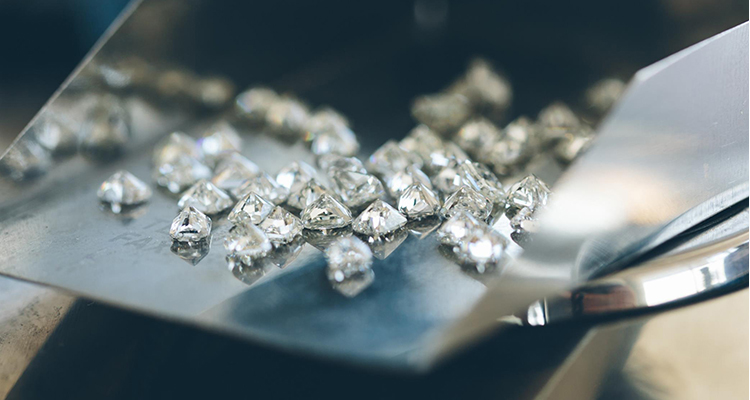
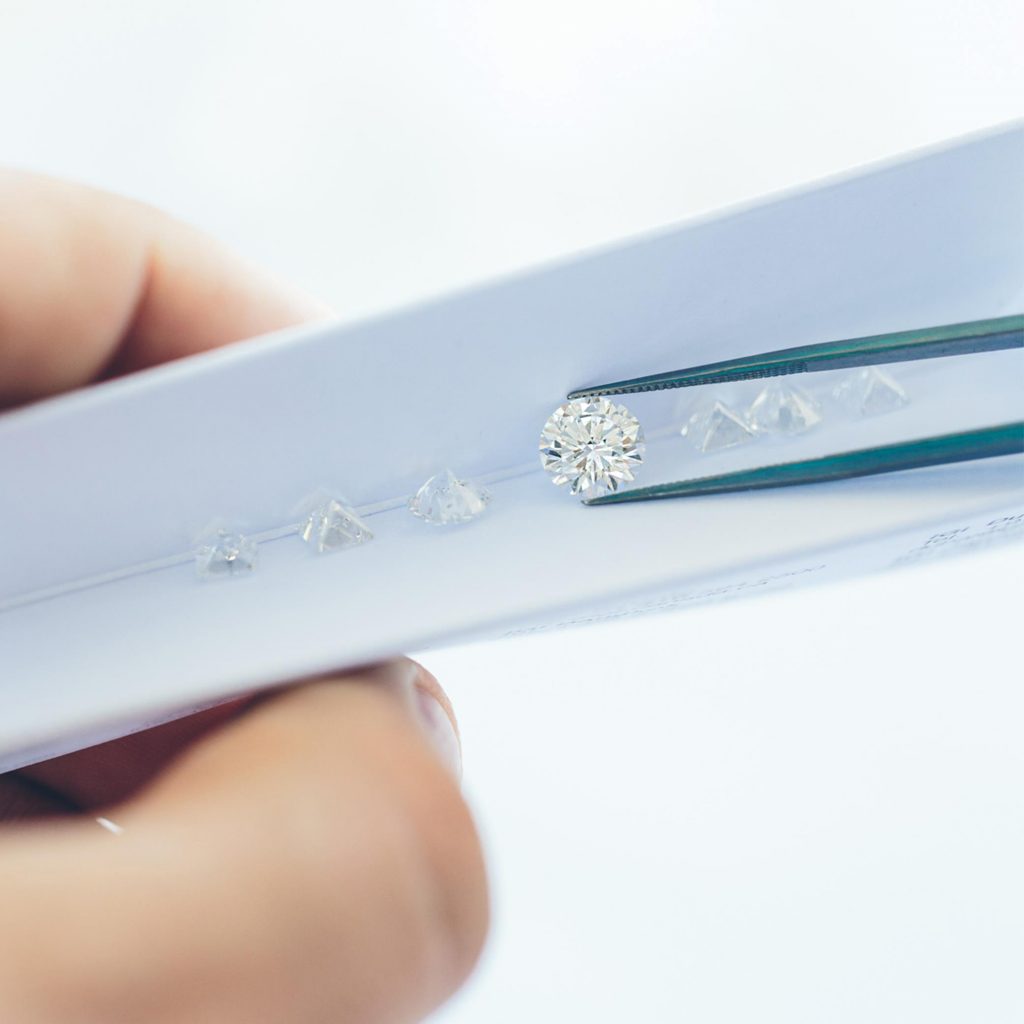
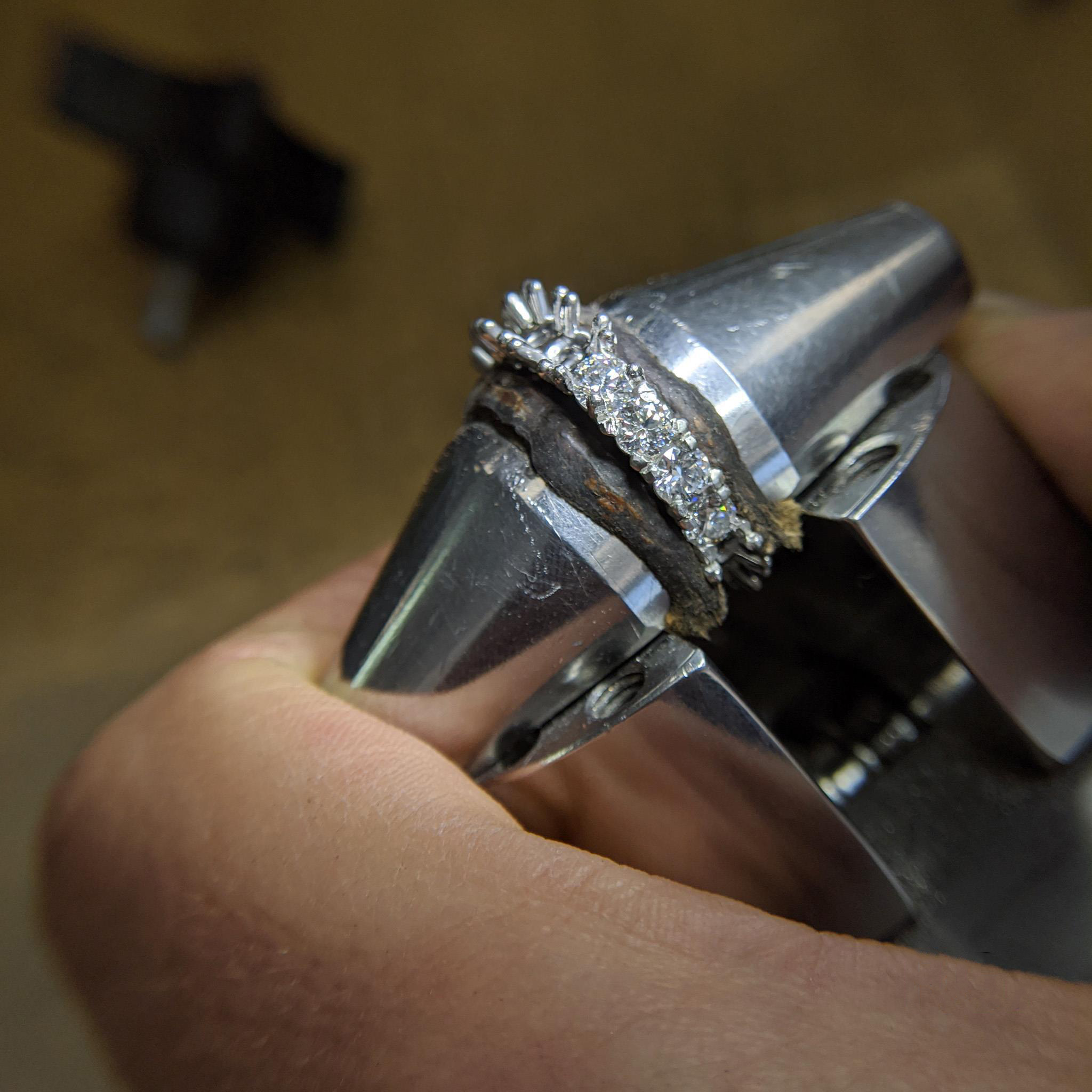
Laboratory grown diamonds come from controlled conditions that recreate the heat and pressure found deep within the earth. Carbon crystallises under this force and forms a diamond with the same structure as one mined from the ground. Two production methods exist. HPHT relies on intense pressure and heat. CVD grows the diamond layer by layer inside a chamber filled with carbon-rich gas. Both approaches create genuine diamonds rather than imitation stones.
Natural diamonds form far below the surface over millions to billions of years. Carbon atoms bond under immense pressure before volcanic activity pushes the crystals closer to the top of the earth where mining becomes possible. Age often shapes the inclusions and slight irregularities that give each stone its identity.
Both types carry the same chemical formula. Both share the same hardness and brilliance, react to light in the same way and withstand the same forms of wear. Jewellery professionals use the same grading system for colour, cut, clarity and carat. Independent laboratories certify them with identical testing procedures.
Laboratory grown diamonds often claim a lighter environmental impact because production does not require large mines, heavy excavation or major disruption to ecosystems. Energy use still plays a key role. Some facilities rely on renewable energy and some rely on traditional energy sources, so emissions vary across producers.
Natural diamonds come from mining operations that bring their own set of environmental responsibilities. Modern regulations, rehabilitation programmes and ethical certifications aim to reduce harm and improve transparency.
Concerns around conflict diamonds led to global initiatives that monitor trade and improve supply chain accountability. The Kimberley Process, industry audits and responsible sourcing policies help ensure natural diamonds are free from conflict. Reputable jewellers document origin and support traceability.
Laboratory grown diamonds remove the possibility of conflict mining altogether because they originate in a controlled facility. Buyers who want to avoid the complexities of global supply chains often feel confident with this option.
Laboratory grown diamonds usually cost less than natural diamonds of the same size and grade. Lower production costs and a stable supply make pricing more accessible. Larger stones become possible within a modest budget, which appeals to many buyers.
Natural diamonds retain stronger long-term value because supply cannot increase quickly. Rarity influences market demand and historic trading patterns shape future resale potential. This appeals to buyers who view diamonds as both jewellery and an investment. Price differences between both types continue to widen as laboratory production becomes more efficient.
Most buyers cannot tell the difference between laboratory grown and natural diamonds without professional equipment. Both offer the same sparkle and both can achieve excellent clarity and colour grades.
Some natural diamonds carry unique inclusions that behave like a fingerprint created by nature. These internal marks can give the stone character without reducing its beauty. Laboratory grown stones can achieve impressive clarity and may appeal to people who prefer a clean, near-perfect appearance.
Respected laboratories such as GIA and IGI grade both types of diamonds. Certificates list cut, colour, clarity and carat. Reports for laboratory grown diamonds also state the production method.
Jewellers rely on specialised tools to confirm origin. These tools detect growth patterns, trace elements or fluorescence characteristics. Origin does not relate to authenticity because both are genuine diamonds but helps sellers maintain transparency.
Interest in laboratory grown stones continues to grow because they are accessible and free from geological limitations. Many couples choose them for engagement rings because they offer size and clarity at a lower cost.
Natural diamonds still attract strong emotional value. Their age, rarity and history contribute to the sense of connection many people feel when choosing a stone. Gift-giving traditions often revolve around natural diamonds, so some buyers continue to favour them for sentimental reasons.
Natural diamonds lead the market in long-term resale stability. Auction data and global trading history support this trend. Laboratory grown diamonds hold less resale value because production can grow as technology improves, lowering prices over time.
Buyers who focus on jewellery rather than investment often prioritise aesthetics and price instead of resale value. Both options fulfil that purpose well.
One common misconception suggests that laboratory grown diamonds are “fake.” This is not accurate. They are real diamonds with the same structure and properties. Another misconception suggests natural diamonds are rare in every size and category. Some grades and carat weights are common, while others remain extremely scarce.
Both markets continue to evolve as technology advances and consumers learn more about origin, grading and sustainability.
Choice depends on personal values. Budget, ethics, sentiment and long-term plans all play a part. People who want maximum size and clarity for the money often prefer laboratory grown stones. People who want rarity, tradition and stronger long-term value often lean towards natural diamonds.
Jewellers with transparent sourcing, clear grading information and strong aftercare support both options well. Buyers benefit from asking about certification, return policies and upgrade programmes.