Robert Gatward Jewellers

Engagement Ring vs. Wedding Ring: What’s the Difference?

Jewellery carries meaning that extends far beyond its sparkle. Among the most important pieces people will ever wear are engagement and wedding rings. Both are integral to the traditions surrounding marriage, but their purposes and appearances are often confused. Understanding how they differ helps couples make informed choices and gives context to the traditions that have been passed down through generations.

What Defines an Engagement Ring

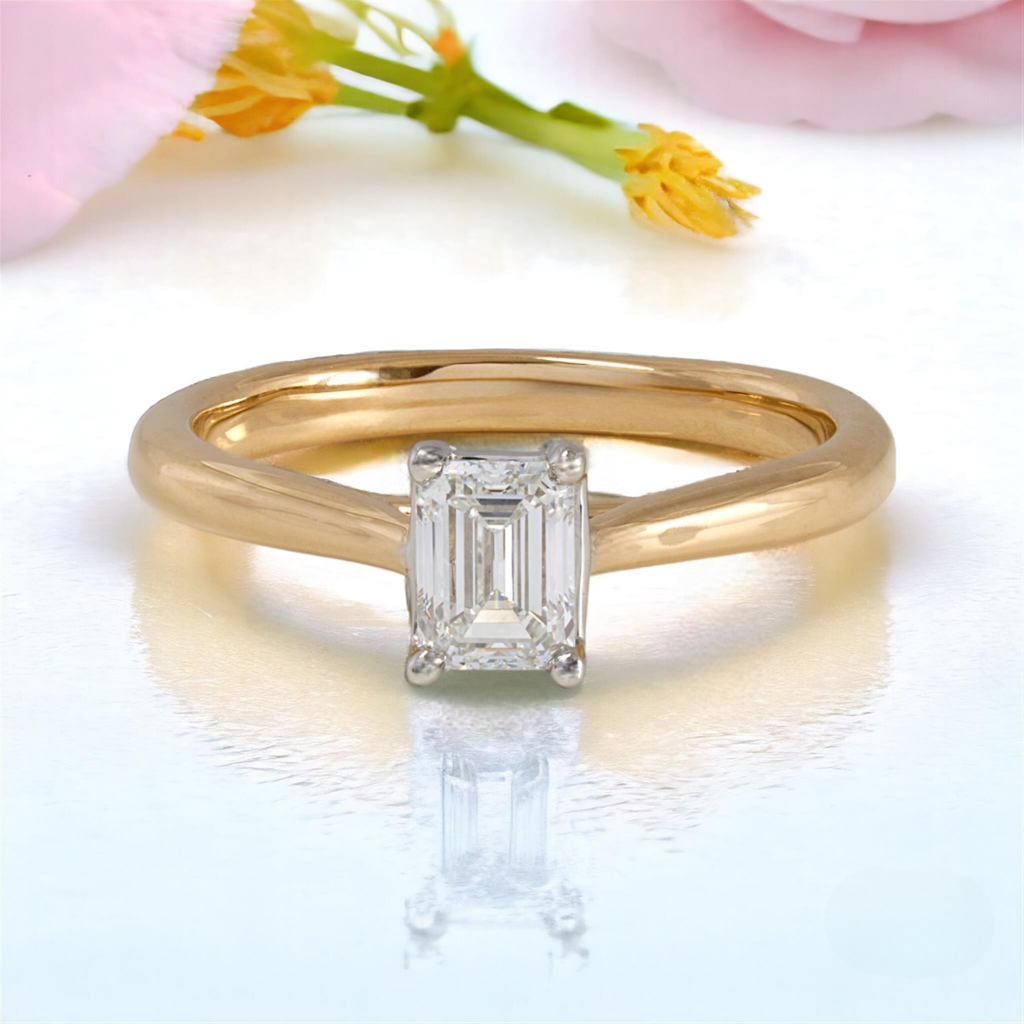
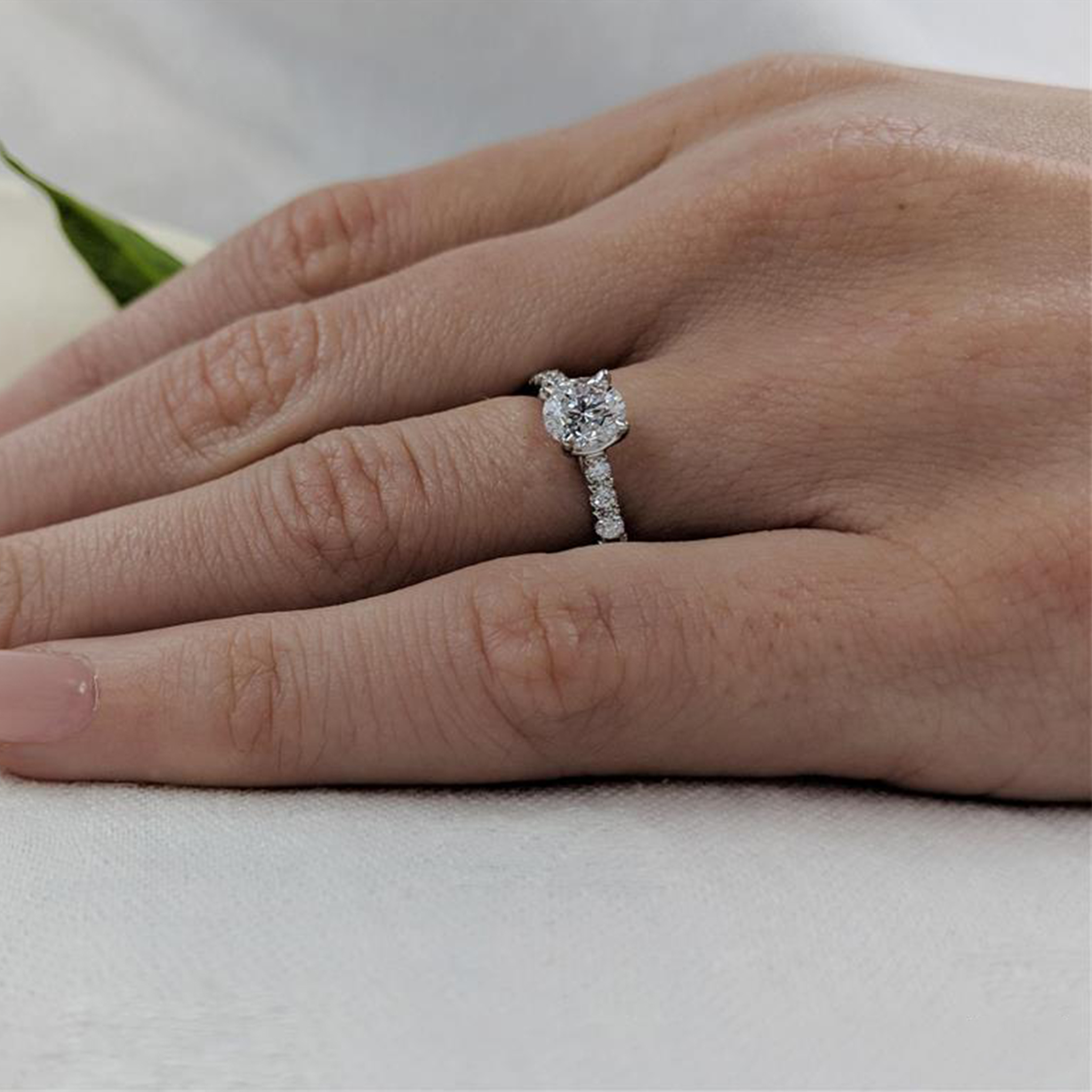
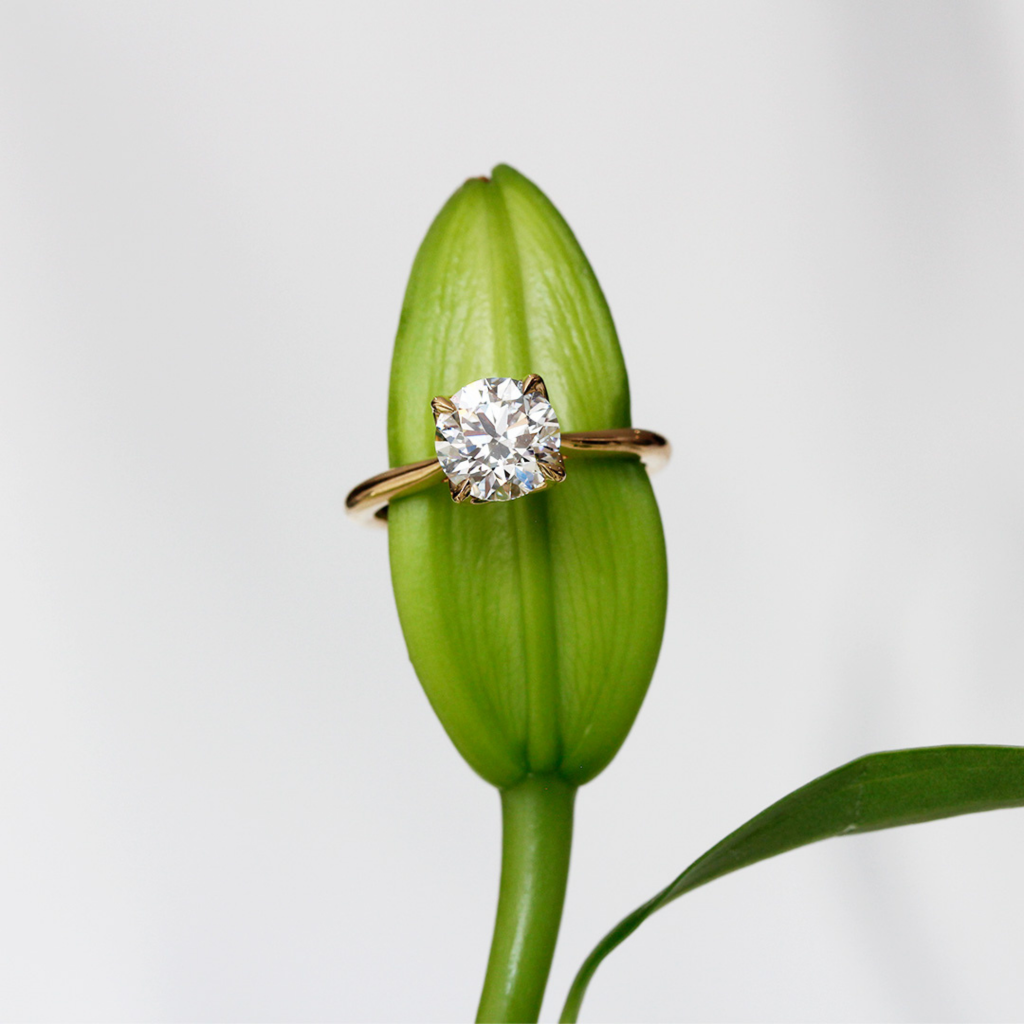
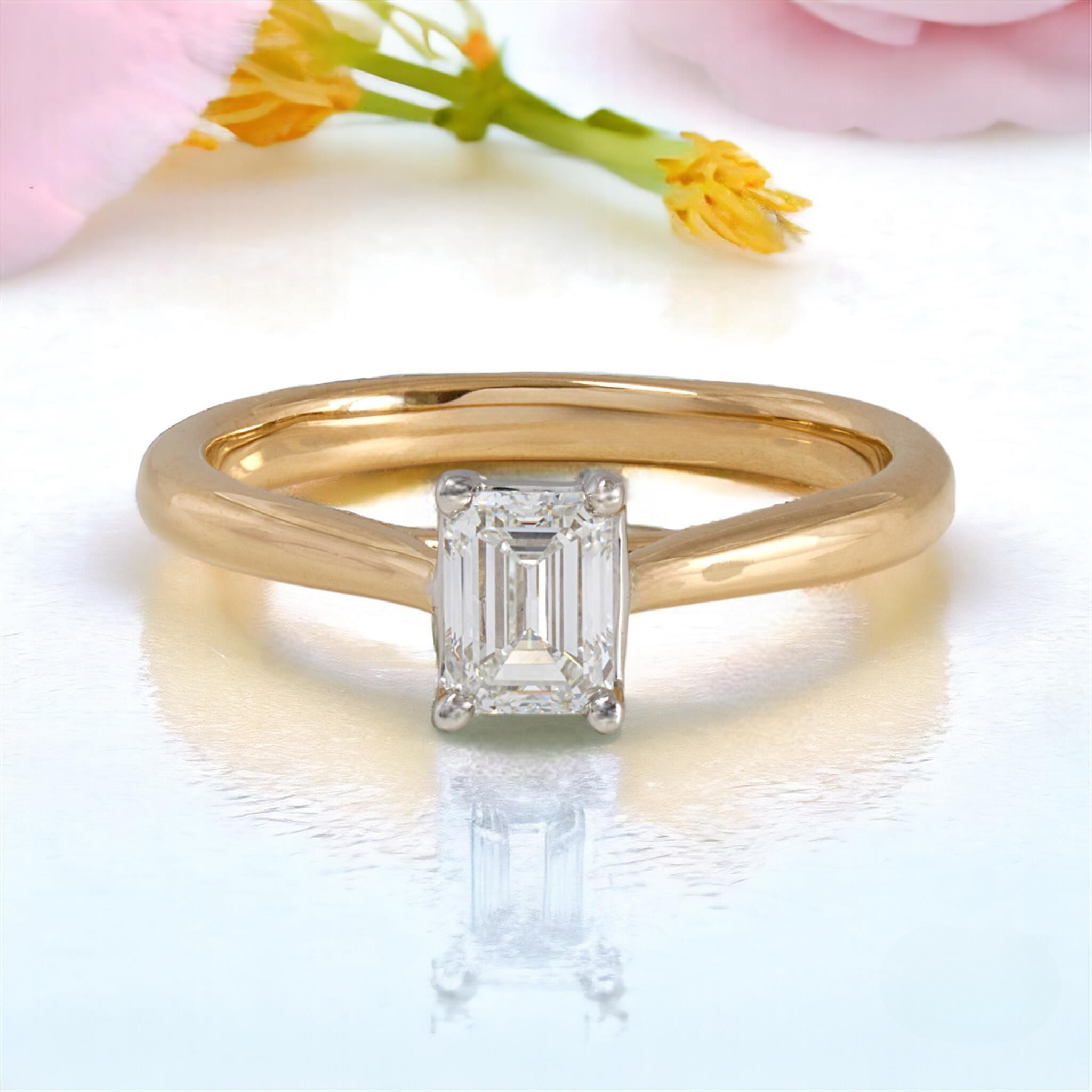
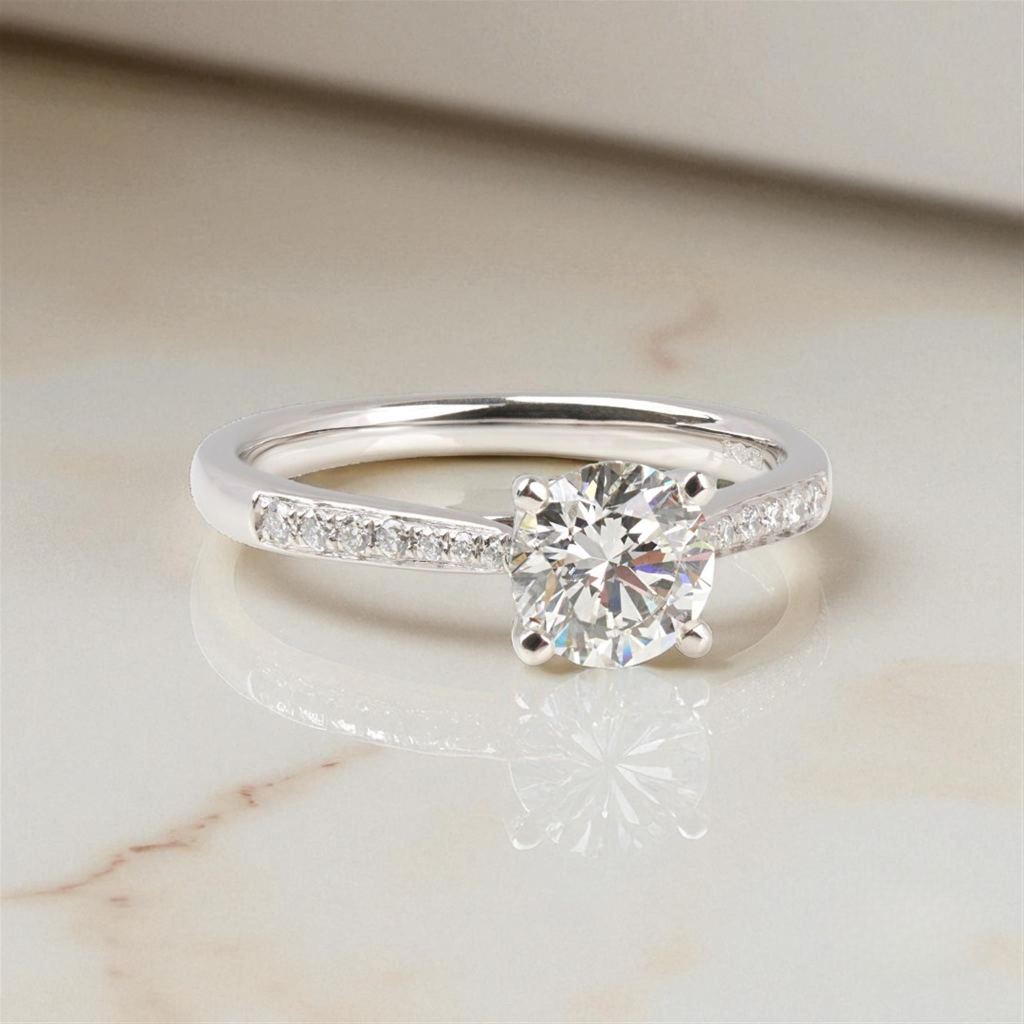
An engagement ring is given at the time of a proposal. Its role is to signify intent to marry, which makes it the first public display of commitment between two people. Traditionally, engagement rings feature a diamond set in a precious metal, although coloured gemstones and more contemporary designs are becoming increasingly popular. The diamond solitaire remains a classic choice, yet oval, cushion, and emerald cuts have all seen renewed interest in recent years. The price of an engagement ring often reflects the importance people attach to it, although what matters most is finding a design that suits the couple. For many, it represents the start of their journey towards marriage, which is why the ring is so carefully chosen.

The Role of a Wedding Ring

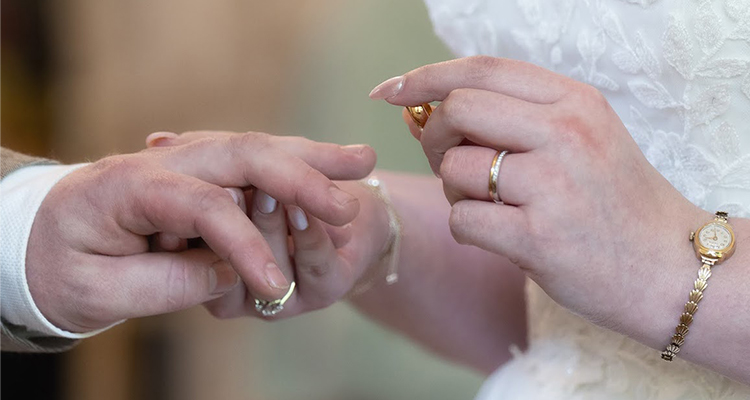
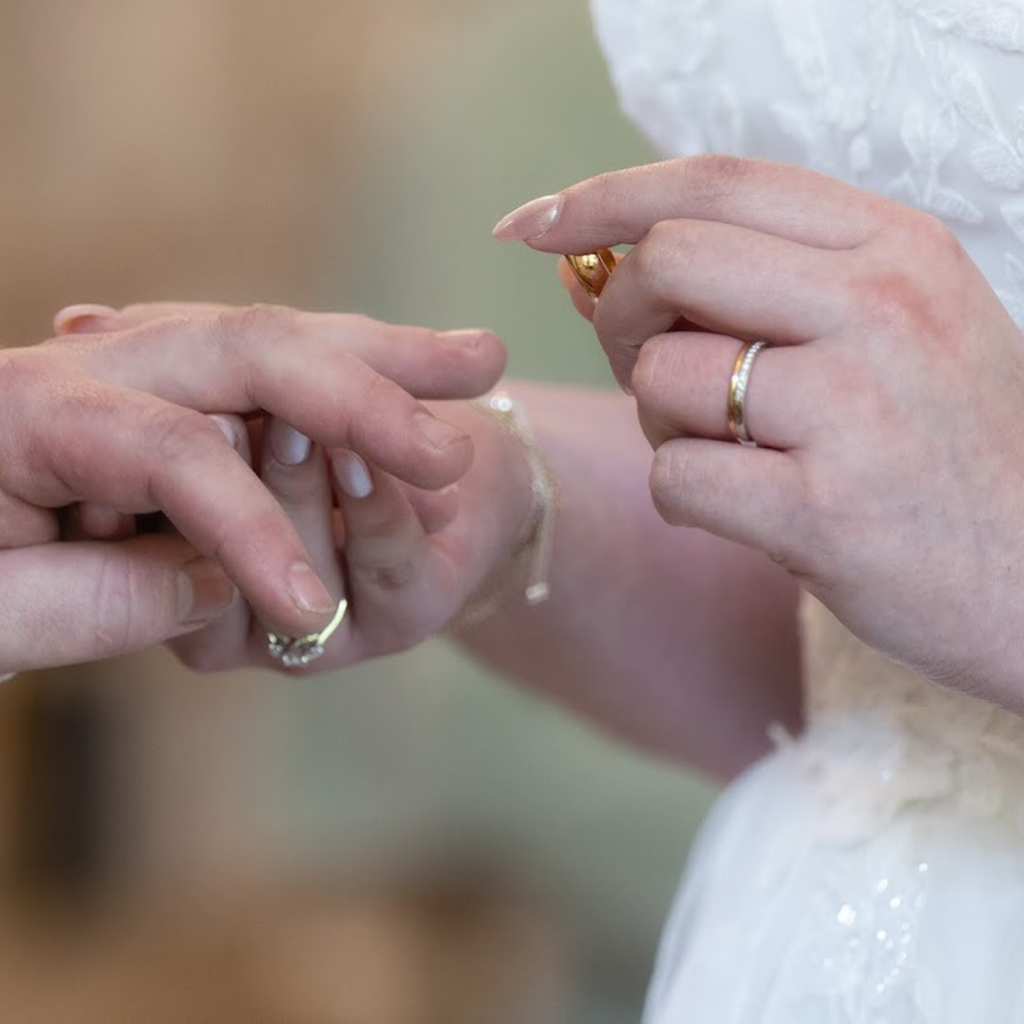
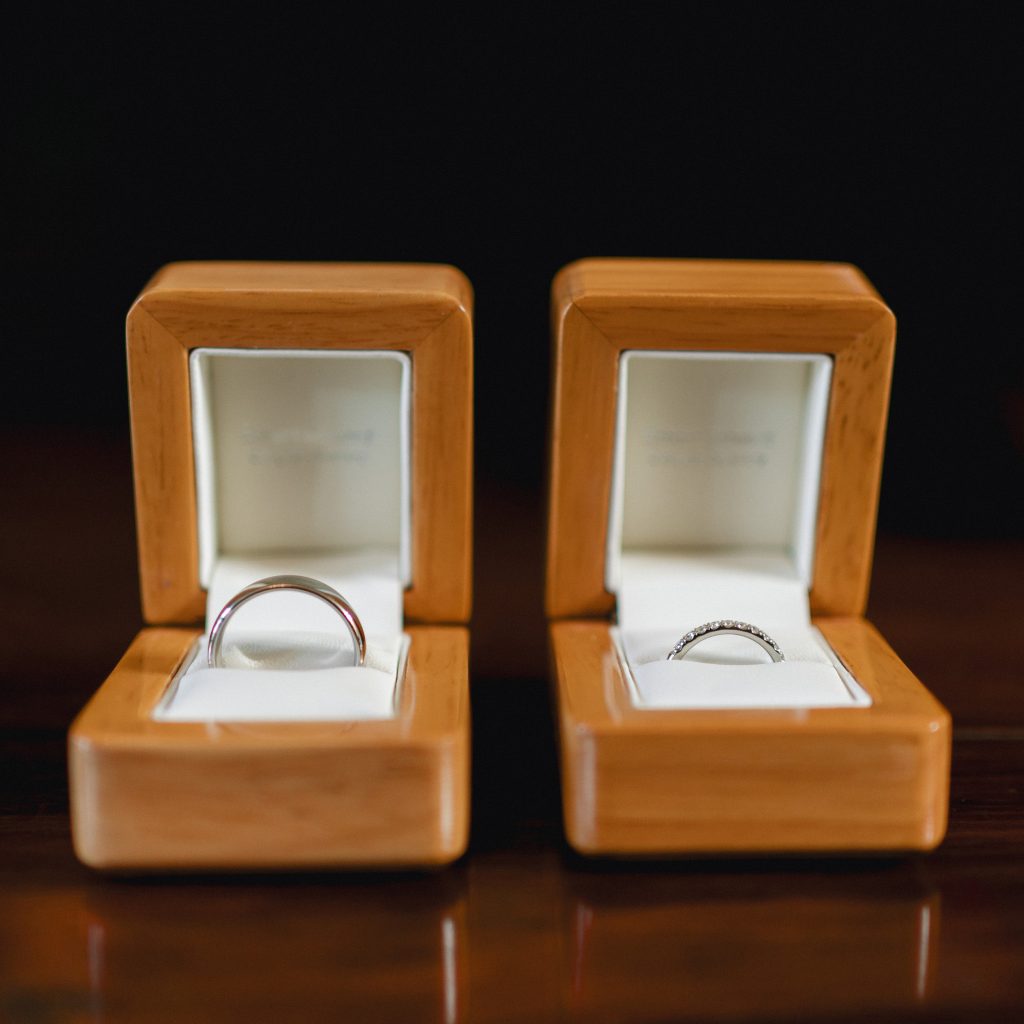
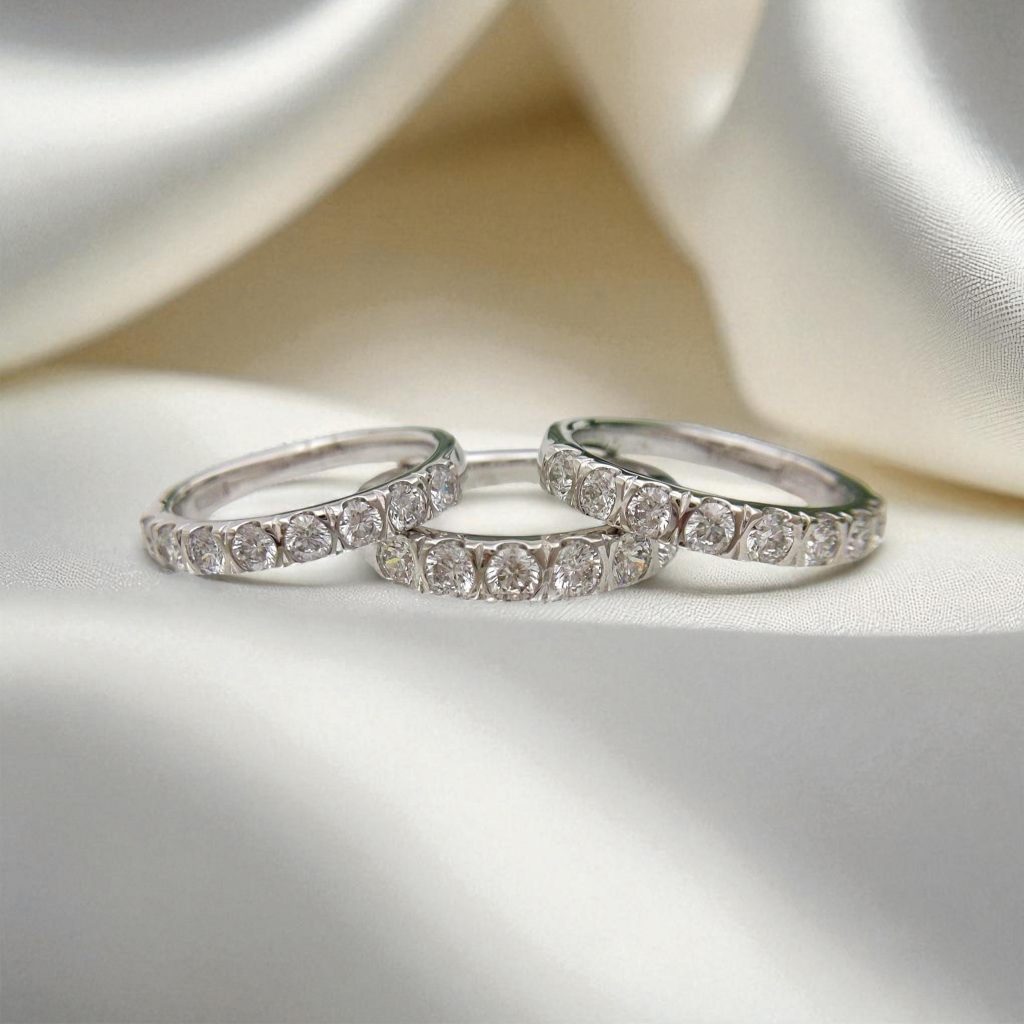
A wedding ring is exchanged during the marriage ceremony itself. Both partners receive a ring as a physical marker of the vows spoken. These bands are usually simpler than engagement rings, focusing on a smooth circular design that symbolises permanence. Gold and platinum remain the most popular metals, though titanium and palladium have also grown in favour.


Some couples prefer plain rings, while others opt for small diamonds or engraving to personalise them. In every case, the ring is designed to be worn every day, which explains why comfort and durability are important considerations when making a choice.

Engagement vs Wedding Ring

Many people confuse the two, which has led to the common debate of engagement vs wedding ring. The key difference lies in both timing and meaning. An engagement ring announces a proposal and upcoming marriage, while a wedding ring marks the actual union. Although the styles differ, both rings are equally important.


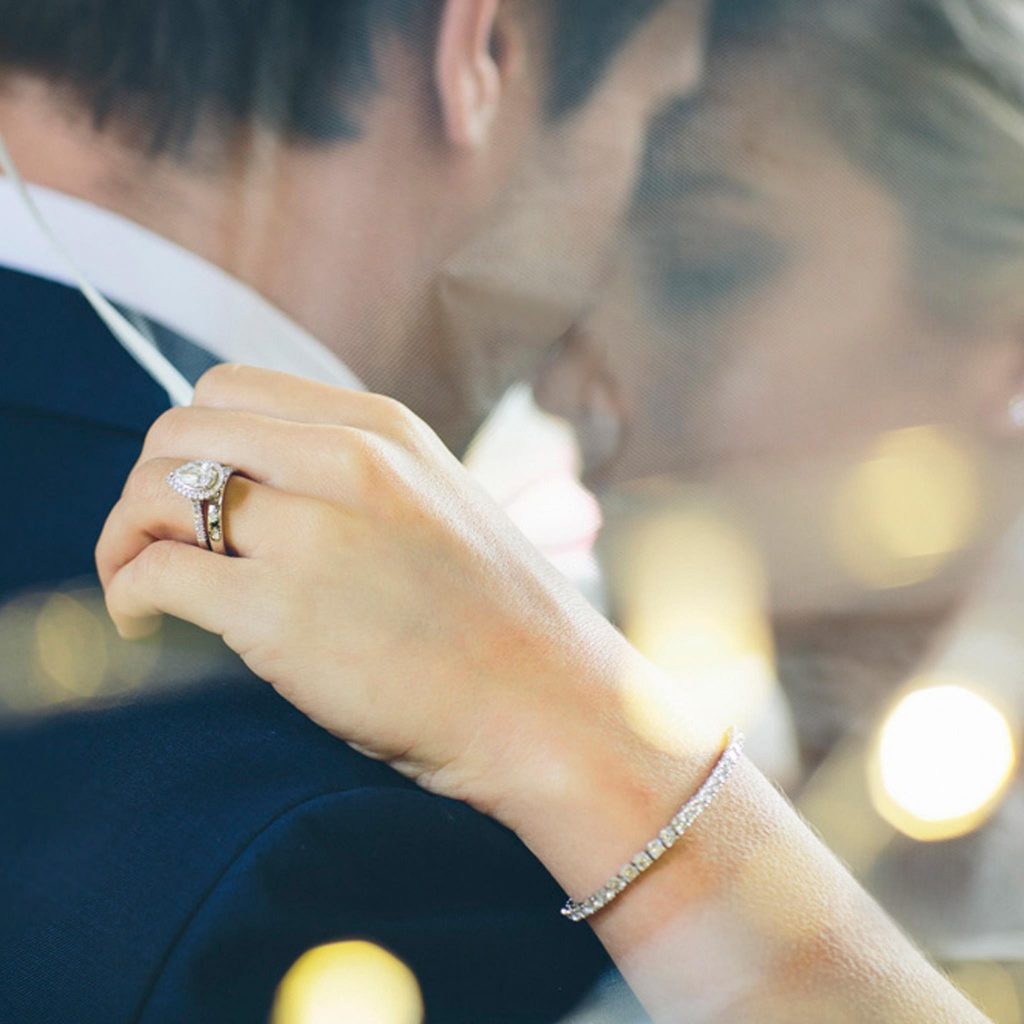
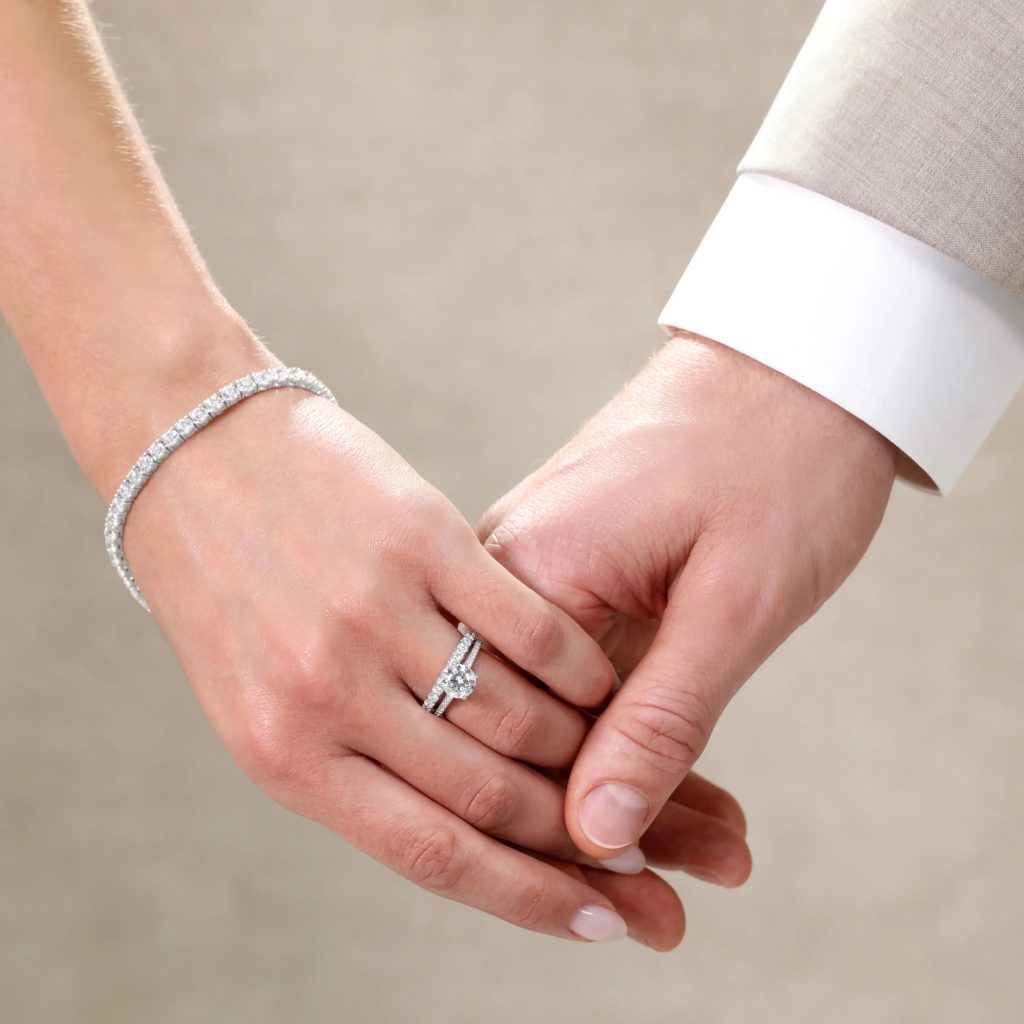
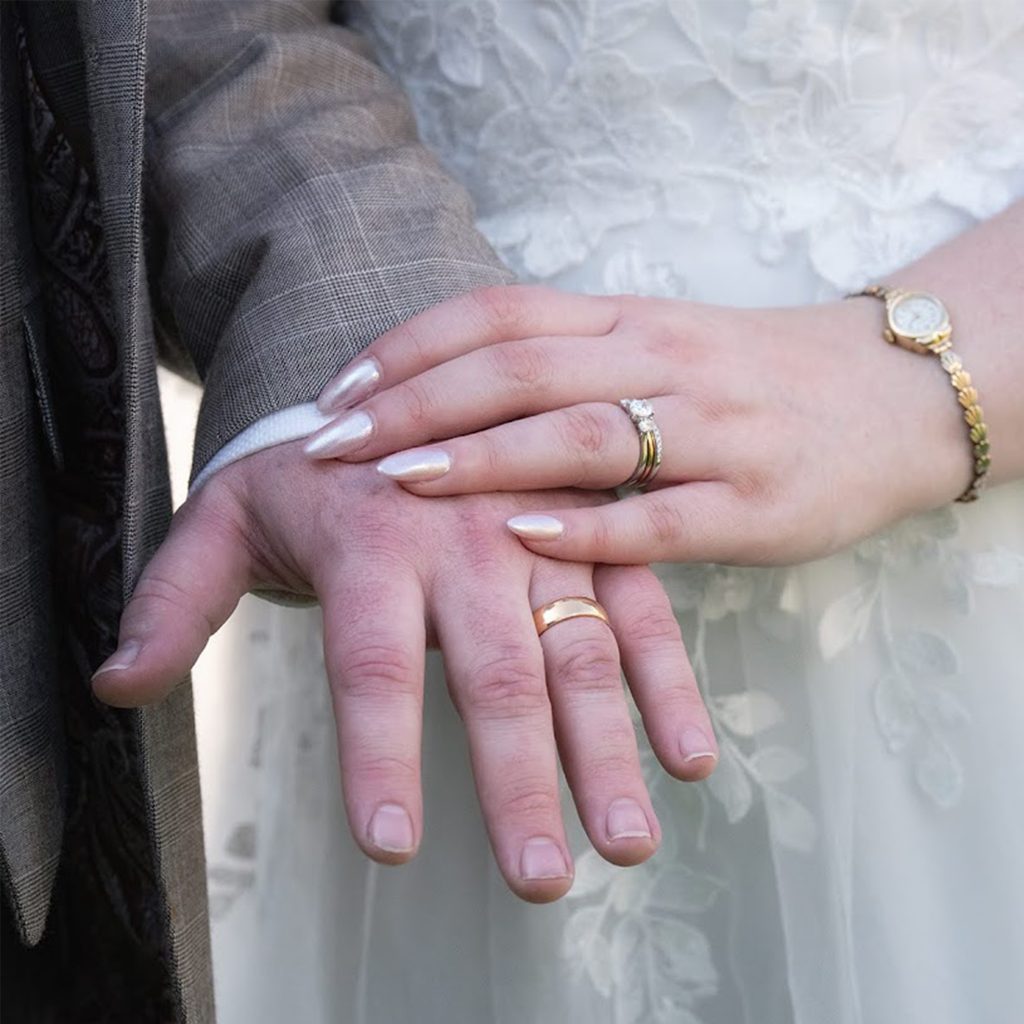
Tradition often sees women wearing both rings together after marriage. The engagement ring is typically more ornate, while the wedding ring is understated, designed to complement rather than compete.

The Difference Between Engagement and Wedding Rings

The difference between engagement and wedding rings can also be seen in terms of symbolism. The engagement ring reflects a promise for the future. The wedding ring represents a present reality, the life partners have chosen together. This distinction is why the two rings are often designed with different looks but are made to sit comfortably together when worn side by side.

Which Ring Goes First

One of the most common questions asked before the ceremony is which ring goes first when both are worn together. Tradition dictates that the wedding ring is placed on the finger first, sitting closest to the heart. The engagement ring is then worn above it. While this has been the custom for centuries, personal preference now plays a larger role. Some people even choose to wear their engagement ring on a different finger or hand entirely.

The Meaning Behind the Wedding Ring

The wedding ring meaning goes back thousands of years. Ancient Egyptians are believed to have been the first to exchange rings, seeing the circular shape as representing continuity and eternity. Romans later popularised the practice in Europe, and by the Middle Ages, the exchange of rings had become an integral part of Christian marriage ceremonies.


Today, the meaning remains strong. The ring is more than jewellery. It is a reminder of vows, trust, and the commitment shared by two people.

How the Rings Work Together

For those who wear both, balance is key. This is where the idea of a bridal ring set becomes relevant. A bridal set is designed so that the engagement ring and wedding ring fit neatly together in appearance and structure. The two are made as a pair, which prevents issues like uneven spacing or mismatched design. Buying a set can also simplify the process, as couples know the rings will complement one another.


Regional and Cultural Variations

Traditions surrounding these rings can vary. In the UK, the left hand’s fourth finger is the standard placement, but in countries such as Germany and Russia, the right hand is often used instead. Some cultures have no distinction between the rings, while others have their own variations, such as engagement bands exchanged by both partners. These differences show how customs evolve while still holding to the same core purpose of representing unity.

Modern Trends in Engagement and Wedding Rings

Consumer tastes continue to shift. Sustainable and ethical sourcing of diamonds and metals has become a top priority for many buyers. Lab-grown diamonds are growing in popularity due to their identical chemical and optical properties to natural diamonds, all while offering a more accessible price point.

Men’s rings have also moved away from being plain bands. More men are choosing designs that feature subtle detailing, alternative metals, or textured finishes. Women’s wedding rings now often include small diamonds, giving them sparkle while still maintaining simplicity.

How to Choose the Right Rings

Couples face countless options when choosing rings. Some important considerations include lifestyle, budget, and long-term wear. People with active jobs or hobbies may prefer stronger metals such as platinum. Those who want matching rings may decide on a uniform design, while others focus on individual preference.
It is also worth considering insurance. Engagement and wedding rings can be among the most valuable possessions a couple owns, so protecting them against loss or damage is a sensible step.

The Emotional Side of Rings

While much attention is paid to cost, carat size, and design, the real weight of these rings lies in their emotional value. The proposal and the wedding are two of the most important life events a couple will share. The rings worn after these milestones serve as permanent reminders of those commitments. The meaning attached to them often grows stronger over time, making them irreplaceable regardless of material worth.

Final Thoughts

Engagement and wedding rings are not interchangeable. Each has a unique role to play in the story of marriage. Understanding the differences helps couples choose rings that reflect their personalities and values while respecting the traditions that give these items such lasting significance. Whether selecting a striking diamond ring for a proposal or choosing a simple gold band for a wedding, these pieces will hold a lifetime of meaning for those who wear them.

Post Views: 635