



What Do All the Numbers on a Watch Dial Actually Mean
At first glance, a watch dial can seem surprisingly complicated. Some watches display nothing more than simple hour markers, while others appear packed with numbers, scales and subdials that make the face look almost like an instrument panel. For newcomers to watches, all those markings can feel confusing rather than useful.
Once you understand what the numbers and scales represent, however, the dial begins to make far more sense. Many of these features were originally designed for practical use, helping divers, pilots, racers and travellers measure time in very specific ways. Even though modern watches are often worn more for style than necessity, those functions remain an important part of watchmaking history and design.
Understanding these details not only makes reading a watch easier, it also deepensappreciation for the craftsmanship and thought behind the design.
The Basic Hour Markers
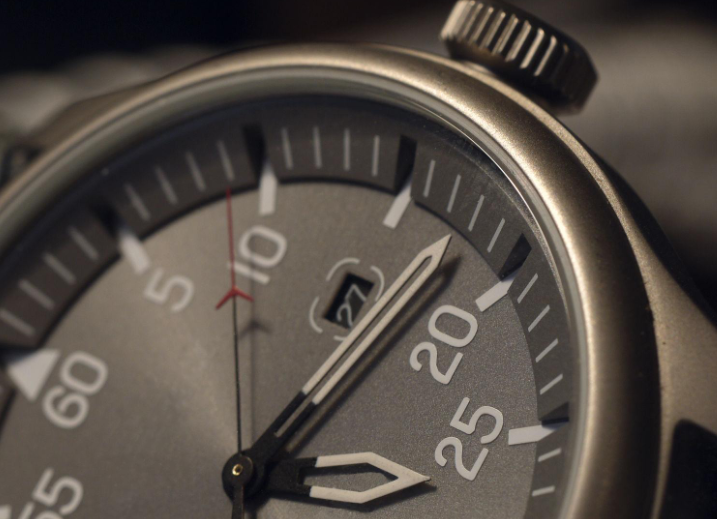
The most obvious numbers on a watch dial are the hour markers themselves. Traditional analogue watches divide the dial into twelve hours, represented either by Arabic numerals, Roman numerals, batons or markers.
Arabic numerals use standard numbers such as 1, 2 and 3, while Roman numerals use symbols like I, V and X. Dress watches often favour Roman numerals because they create a more formal and classical appearance. Sports watches typically use bold Arabic numerals or large luminous markers for easier readability.
Minute markers usually appear around the outer edge of the dial. These smaller divisions help improve accuracy when reading the time. Each marker represents one minute, with slightly larger markers often placed at five-minute intervals
Understanding the Seconds Track
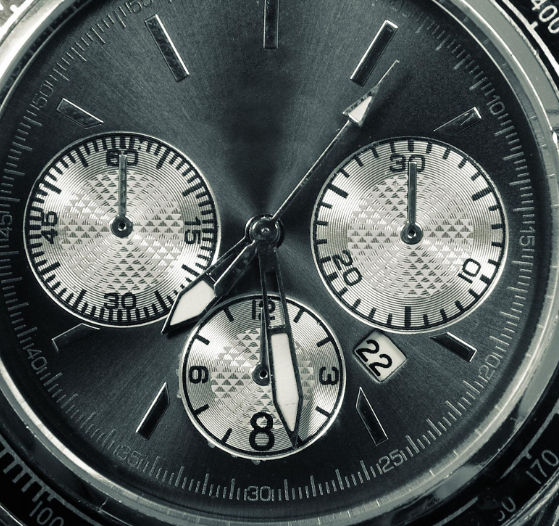
Many watches include a dedicated seconds track running around the outer edge of the dial. This track works alongside the seconds hand, allowing more precise time reading. On mechanical watches, observing the seconds hand also reveals the movement type.
Automatic and manual mechanical watches typically produce a smooth sweeping motion because the hand moves several times per second. Quartz watches, by contrast, usually tick once per second.
Some watches feature a small seconds subdial instead of a central seconds hand. This layout separates the seconds display into its own smaller dial, often positioned above the six o’clock marker. Historically, this design was common on older pocket-watch-inspired movements.
The Tachymeter Scale Explained
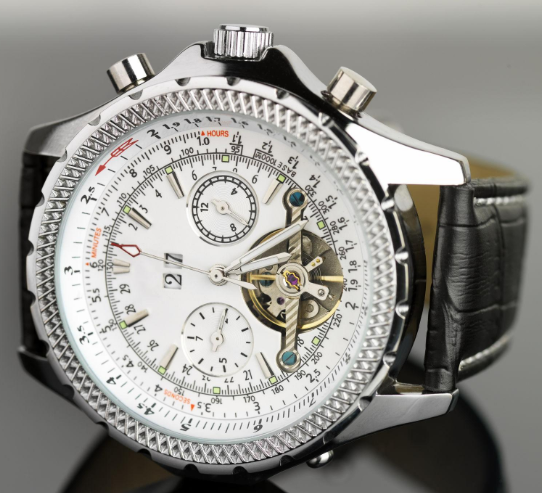
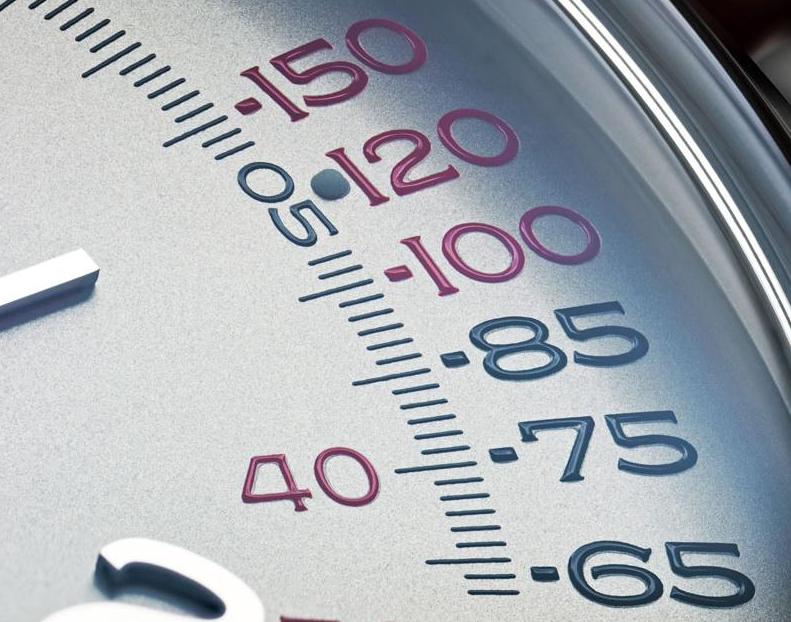
One of the most recognisable yet misunderstood sets of numbers appears on chronograph watches. This is the tachymeter scale, usually printed around the bezel or outer dial edge.
A tachymeter measures speed based on time travelled over a fixed distance. For example, if a car completes one mile in thirty seconds, the chronograph hand would point to 120 on the tachymeter scale, meaning 120 miles per hour.
Motorsport heavily influenced tachymeter watches, which explains why racing chronographs often feature this scale prominently. While few modern owners use it practically, the tachymeter remains an iconic design element associated with performance and precision.
Dive Watch Bezels and Minute Markings
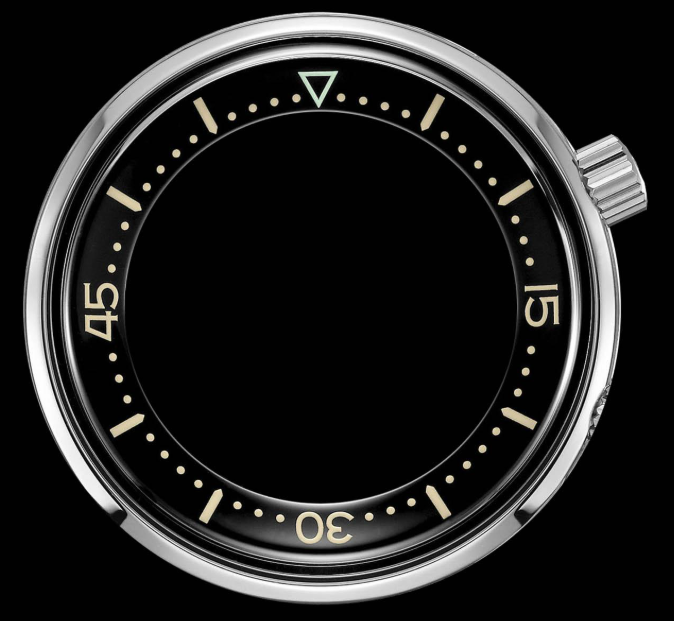
Dive watches often include numbers around a rotating bezel rather than directly on the dial itself. These numbers usually represent elapsed minutes.
Before entering the water, divers align the bezel’s zero marker with the minute hand. As time passes, the bezel allows quick tracking of elapsed dive time without complicated calculations.
Most dive bezels display numbers at ten-minute intervals, with smaller markers between them. The first fifteen or twenty minutes are often marked more precisely because accurate short-term timing matters most during diving activities.
The bezel rotates in only one direction, usually counterclockwise. This safety feature prevents accidental movement from extending the perceived remaining dive time.
GMT Watches and 24-Hour Scales
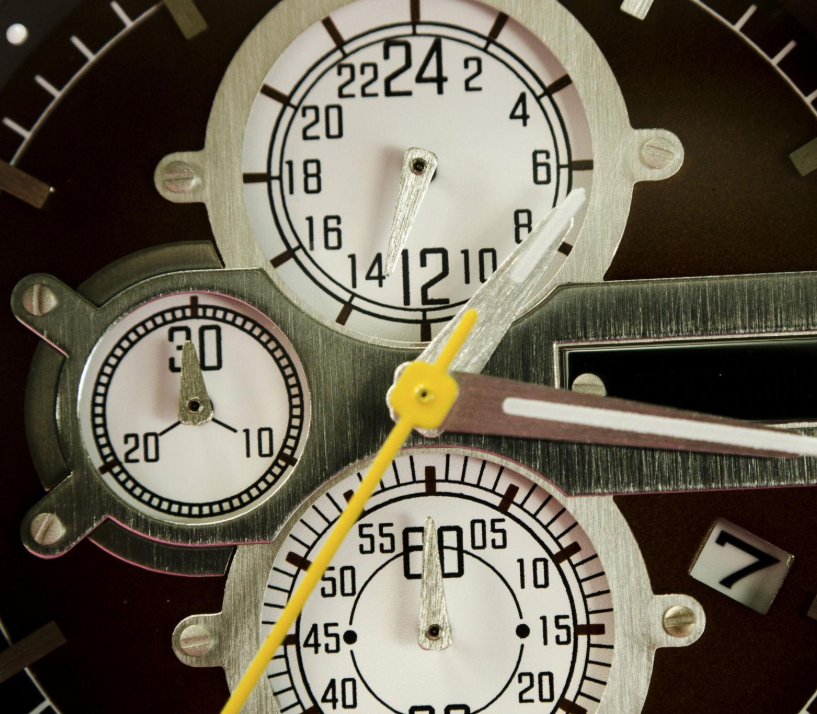
GMT watches display multiple time zones simultaneously, making them especially useful for travellers and pilots. These watches often include an additional hand that completes one full rotation every twenty-four hours rather than every twelve.
To support this function, GMT watches include a 24-hour scale either on the bezel or inner dial. Numbers typically run from 1 to 24, allowing the wearer to distinguish between day and night hours in another time zone.
Some GMT bezels rotate, enabling the wearer to track a third time zone by adjusting the bezel position. This added functionality explains why GMT watches remain popular among frequent travellers and aviation enthusiasts.
Chronograph Subdials and Their Functions
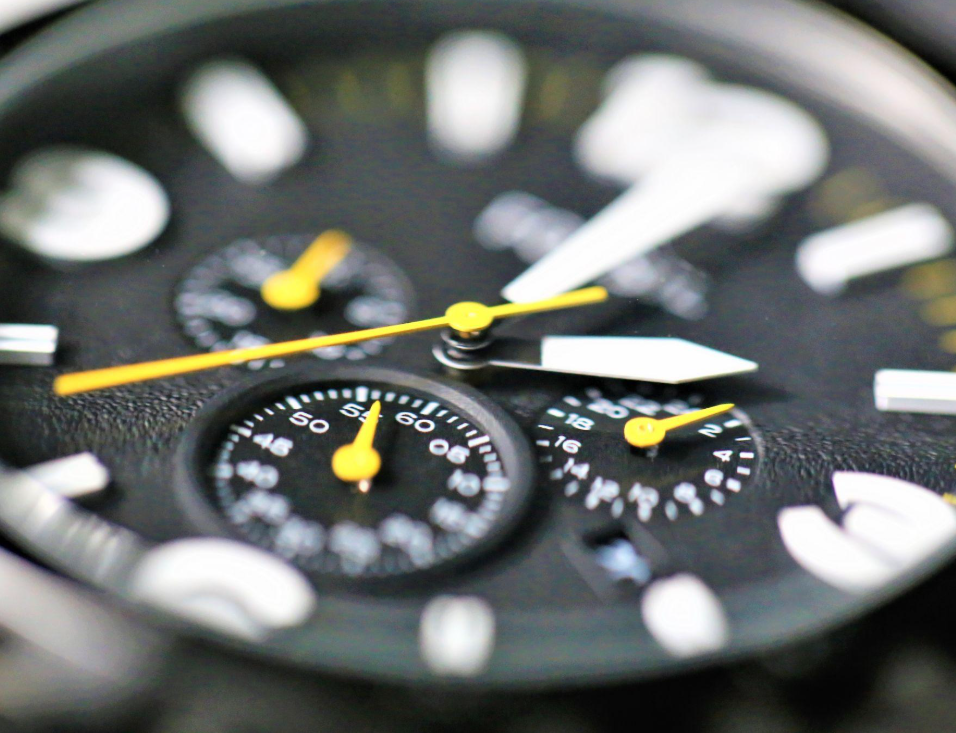
Chronograph watches introduce another layer of complexity through additional subdials. These smaller dials track elapsed time when the stopwatch function is activated.
One subdial may count elapsed minutes, while another tracks hours. A third often functions as the running seconds display. Layouts vary depending on movement design, though the overall purpose remains similar.
Pushers on the side of the case control the chronograph. One button starts and stops timing, while another resets the hands to zero.
Despite their technical appearance, chronographs are surprisingly intuitive once understood. Their sporty aesthetic also contributes heavily to their enduring popularity.
Pulsometer and Telemeter Scales
Some watches include specialised scales developed for professional use.
A pulsometer measures heart rate. Doctors historically used these watches by starting the chronograph and counting a set number of heartbeats before stopping i t. The scale then converted elapsed time into beats per minute.
Telemeter scales calculate distance based on visible and audible events. For example, observing lightning and timing the delay until thunder allows the wearer to estimate how far away the storm is.
While these functions are rarely used today, they remain fascinating reminders of how watches once served as practical professional instruments.
Date Windows and Numerical Displays
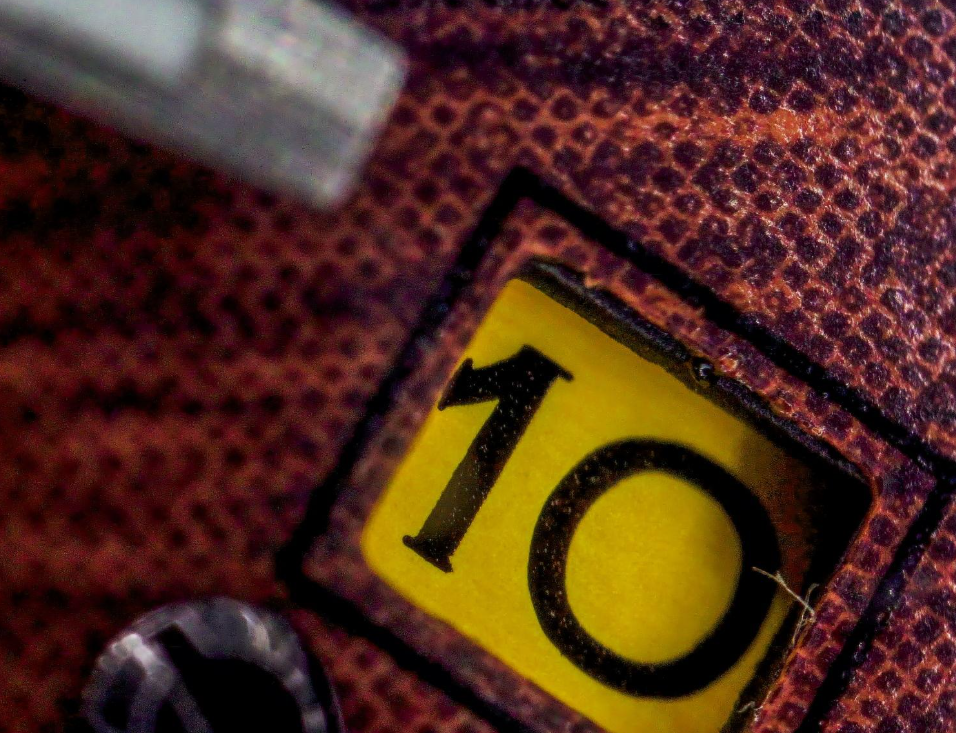
Date complications are among the most common watch features. A small aperture on the dial displays the current date, usually through rotating numbered discs beneath the dial surface.
Some watches also include day-date complications displaying both the weekday and numerical date. More advanced calendar watches track months and leap years as well.
Perpetual calendars represent one of the most technically impressive complications in watchmaking. These mechanisms automatically account for varying month lengths and leap years, requiring minimal adjustment over decades.
Water Resistance and Depth Ratings
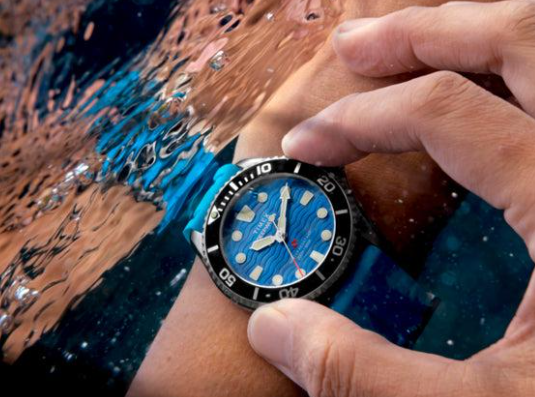
Numbers printed on the dial or case back often indicate water resistance. Common markings include 30m, 100m or 300m. These ratings refer to laboratory pressure testing rather than literal usable diving depth.
A 30-metre rating generally means splash resistance, while 100 metres suits swimming and recreational water use. Professional dive watches often begin at 200 metres or higher.
Understanding these ratings prevents misuse and helps buyers select watches appropriate for their lifestyle.
Jewels and Movement Information
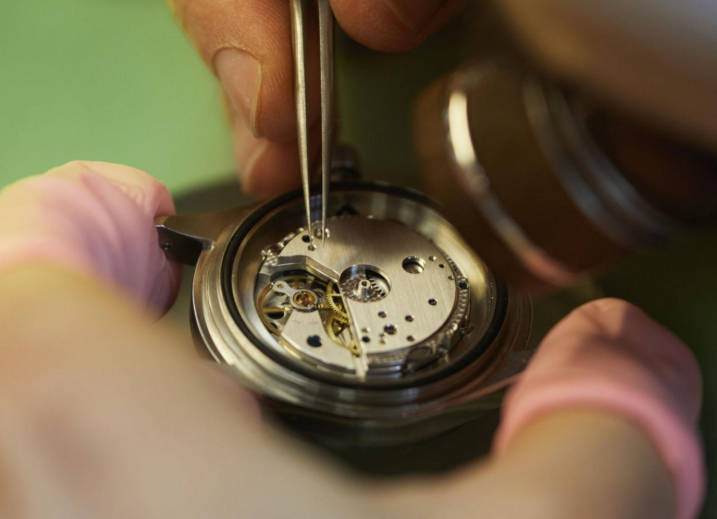
Some watch dials include wording such as “21 Jewels” or “Chronometer Certified.” Jewels refer to synthetic ruby bearings placed inside the movement to reduce friction and wear.
Chronometer certification indicates the movement has passed strict accuracy testing conducted by an independent organisation such as COSC in Switzerland.
These details communicate quality and technical achievement rather than serving direct functional purposes for the wearer.
Why Watch Dials Became So Complex
Many dial markings originated during periods when wristwatches served as essential professional tools. Pilots, divers, doctors and engineers relied on their watches long before smartphones or digital devices existed.
Over time, these functions became part of watchmaking identity and design culture. Even when modern technology replaced their practical necessity, enthusiasts continued appreciating the craftsmanship and heritage behind them.
Today, many people choose watches not because they need these functions daily, but because they admire the engineering, history and visual character they bring.
Final Thoughts
The numbers and scales on a watch dial tell a story far richer than simple timekeeping. Tachymeters reflect motorsport heritage, dive bezels recall underwater exploration and GMT scales speak to the rise of international travel.
Understanding these details transforms a watch from a decorative object into something far more interesting. Every number, marker and subdial exists because it once served a purpose, and that connection between function and design remains one of the most fascinating aspects of watchmaking today.