



Water-Resistance Explained: What Your Watch Rating Really Means
Water resistance is one of the most misunderstood features in watchmaking. Many people assume a watch labelled “50 metres water resistant” can safely be worn fifty metres underwater, yet the reality is far more nuanced. Ratings, testing methods and real-world conditions all influence what a watch can actually handle.
Understanding water resistance properly helps prevent damage and ensures you choose the right watch for your lifestyle. It also explains why two watches with similar-looking ratings may perform very differently depending on how they are built.
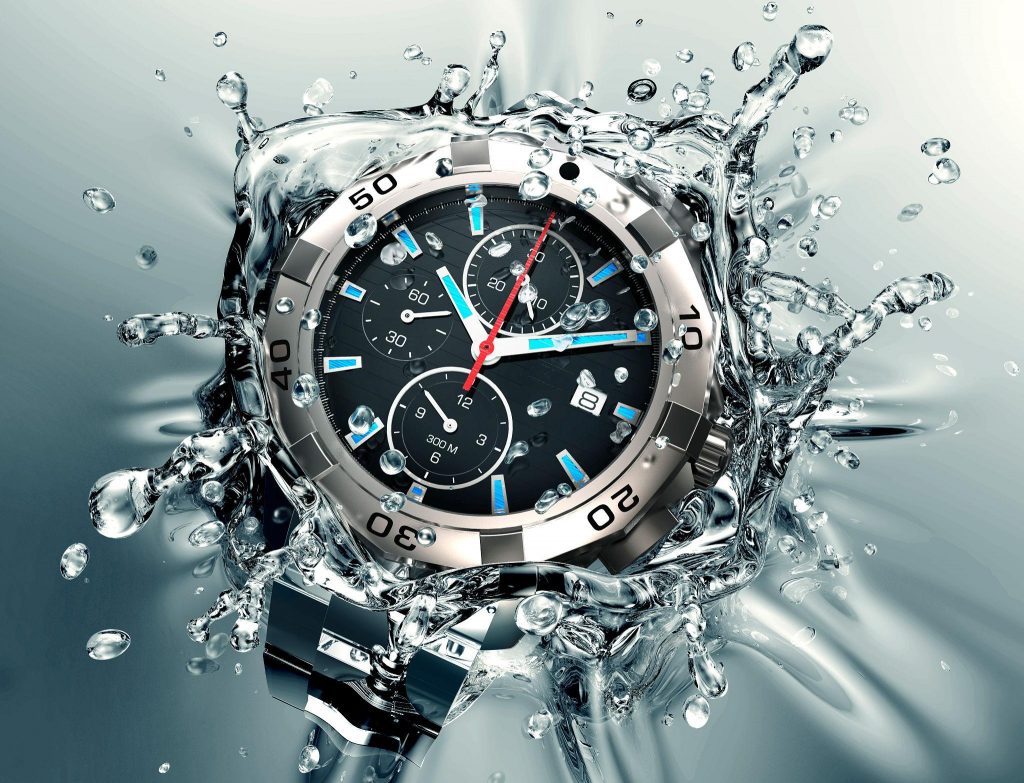
What Water Resistance Actually Means
Water resistance refers to a watch’s ability to prevent moisture entering the case under specific testing conditions. No watch is truly waterproof in the absolute sense. Gaskets, seals and case components wear over time, which means water resistance can decrease if the watch is not maintained properly.
Manufacturers test watches using controlled laboratory pressure tests. These tests simulate water pressure at certain depths, which is where the metre ratings originate. Real-life use, however, introduces variables such as movement, temperature changes and impact, all of which can increase pressure on the seals.
This explains why water-resistance ratings should be viewed as guidelines rather than literal underwater depth limits.
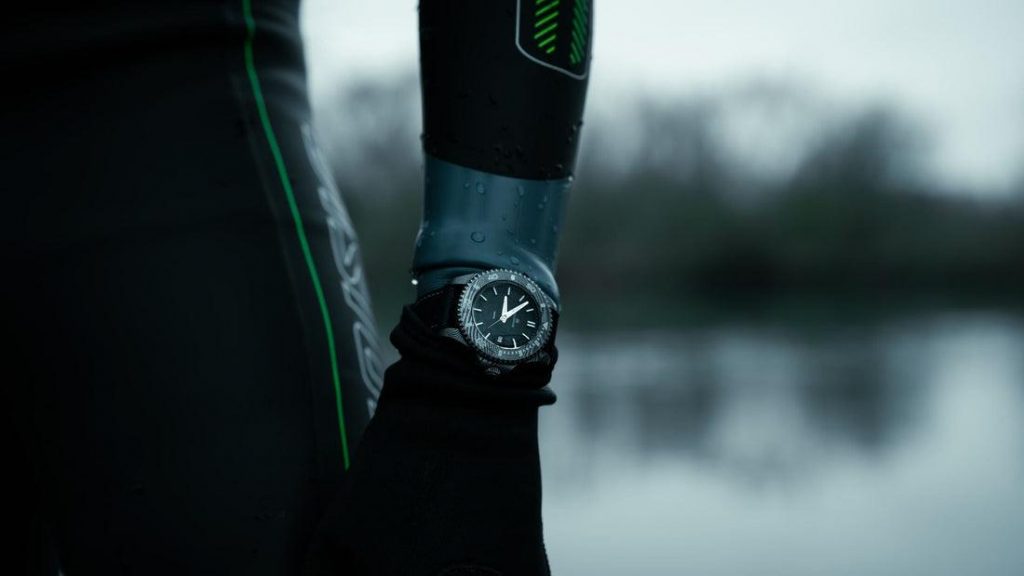
Understanding Common Water-Resistance Ratings
Watch water-resistance ratings usually appear in metres, atmospheres or bars. These measurements are closely related. Ten metres of water resistance roughly equals one atmosphere or one bar of pressure.
While the numbers may sound straightforward, practical usage differs significantly from what many expect.
30 Metres Water Resistant
A watch rated to 30 metres, sometimes marked as 3 ATM or 3 bar, offers only basic splash resistance. It is generally suitable for accidental contact with water such as rain or handwashing.
Swimming, showering or submerging a 30-metre watch is not recommended. Even small increases in pressure caused by arm movement can exceed the rating under real conditions.
Dress watches often fall into this category because their slim cases prioritise elegance rather than heavy-duty sealing
50 Metres Water Resistant
A 50-metre rating provides improved everyday protection. Light exposure to water, including brief swimming in calm conditions, may be acceptable depending on manufacturer guidance.
Despite the higher number, this rating still does not make a watch suitable for diving or prolonged water activity. Many people mistakenly assume fifty metres means recreational underwater use, yet dynamic pressure changes make real-world conditions more demanding than static testing.
Sports watches and casual everyday models commonly feature this level of resistance.
100 Metres Water Resistant
At 100 metres, a watch becomes suitable for swimming, snorkelling and regular water exposure. This rating offers significantly more reassurance for active lifestyles.
Many modern sports watches use this standard because it balances practical durability with wearable case proportions. Recreational water use rarely poses an issue when seals are properly maintained.
Professional diving still requires greater resistance, but for most people, 100 metres provides more than enough capability.
200 Metres and Beyond
A 200-metre rating generally marks the entry point into true dive watch territory. Watches at this level often feature screw-down crowns, reinforced gaskets and robust case construction designed for demanding underwater conditions.
Professional dive watches may exceed 300 metres or even 1000 metres. While few wearers will ever approach such depths, higher ratings reflect enhanced engineering and durability.
ISO-certified dive watches undergo additional testing beyond standard pressure resistance. Legibility, condensation resistance and shock tolerance also form part of these stricter standards.
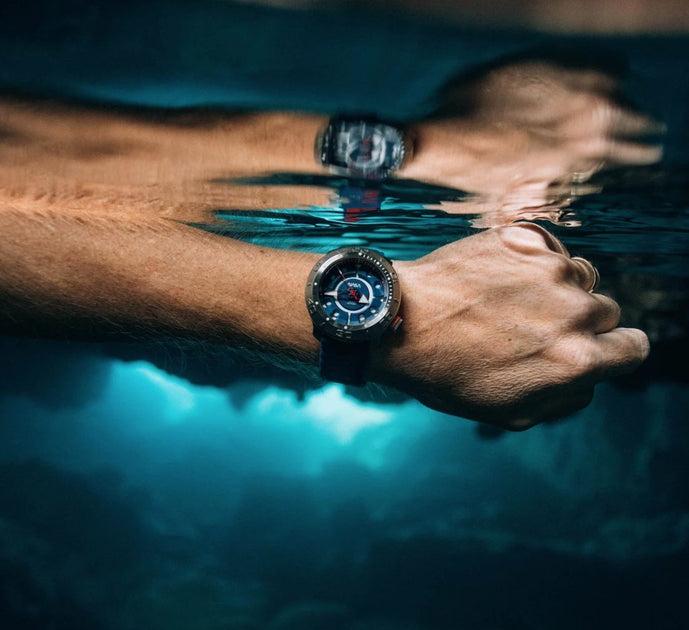
Why Dynamic Pressure Matters
One of the biggest misconceptions surrounding water resistance comes from misunderstanding pressure itself. Laboratory tests use static pressure, meaning the watch remains still while pressure gradually increases.
Real life creates dynamic pressure instead. Jumping into a pool, swimming quickly or exposing the watch to sudden force increases pressure momentarily. Even shallow water can create more stress on seals than static testing suggests.
This explains why manufacturers remain conservative about recommended usage despite seemingly generous depth ratings.
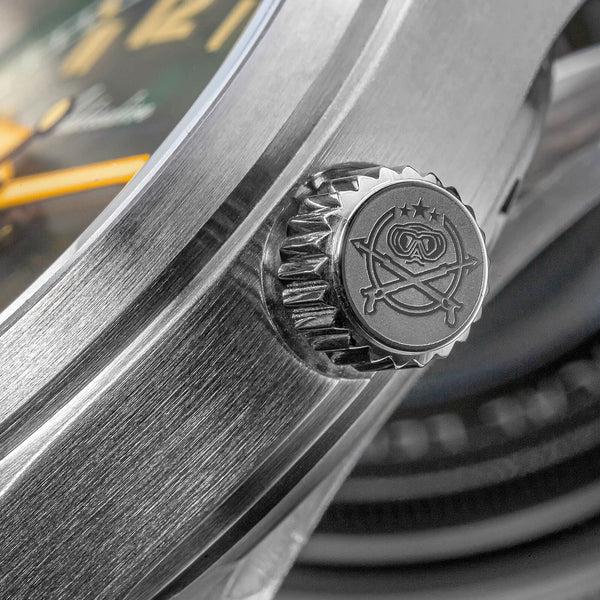
The Importance of Screw-Down Crowns
The crown, used to set the time and date, represents one of the most vulnerable points on a watch case. Screw-down crowns improve water resistance by creating a tighter seal against the case.
Many dive watches include screw-down crowns specifically for this reason. When screwed in fully, the crown compresses internal gaskets, reducing the risk of water entry.
An unscrewed crown dramatically compromises water resistance. Even highly rated dive watches become vulnerable if the crown is left partially open.
Chronograph pushers also require careful engineering. On many watches, operating pushers underwater is discouraged unless the watch is specifically designed for it.
Gaskets and Seals: The Hidden Protectors
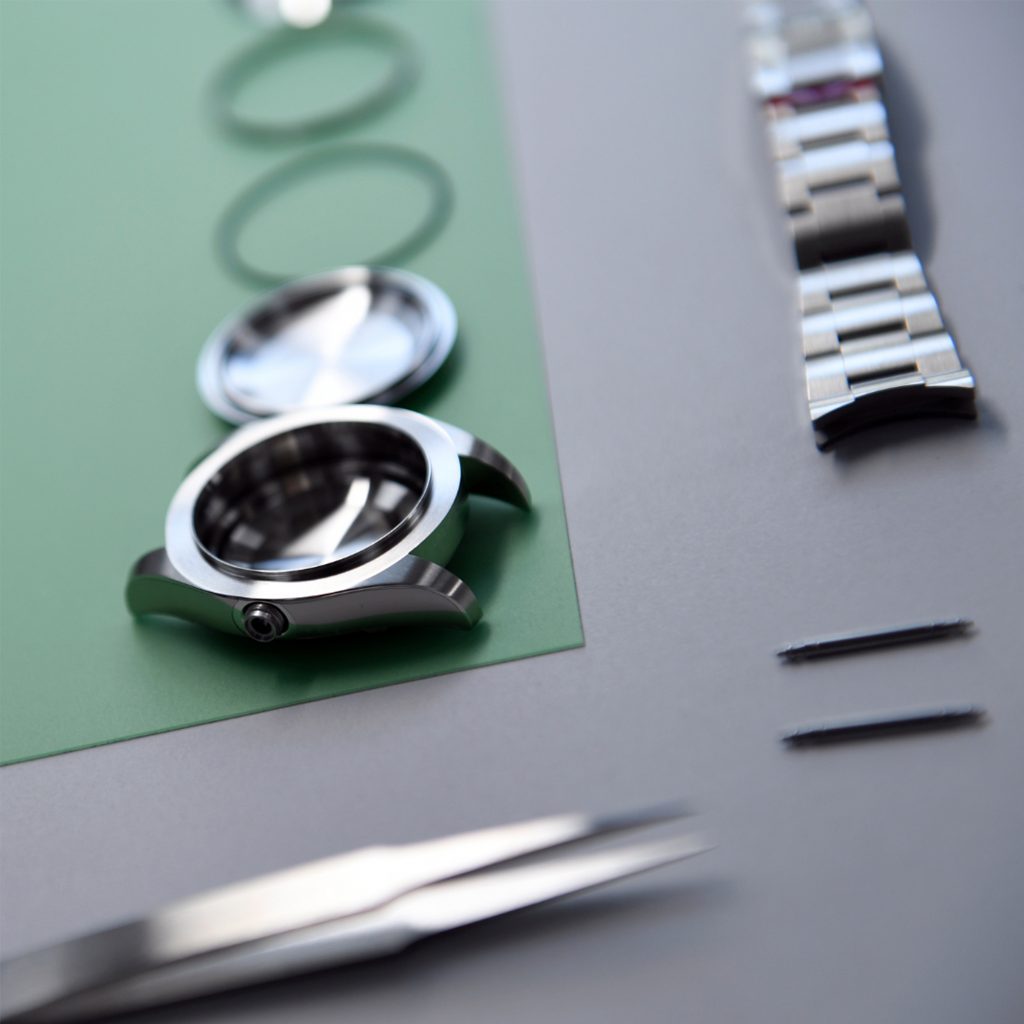
Water resistance relies heavily on rubber or synthetic gaskets placed around openings such as the crystal, crown and case back. These seals create barriers that prevent moisture entering the movement.
Over time, gaskets degrade due to age, heat, chemicals and general wear. Dry seals become less effective, which is why regular servicing matters for watches exposed to water frequently.
Manufacturers typically recommend pressure testing every year or two for watches regularly used in water. This process checks whether seals remain effective and identifies issues before damage occurs.
Why Hot Water Can Be Problematic
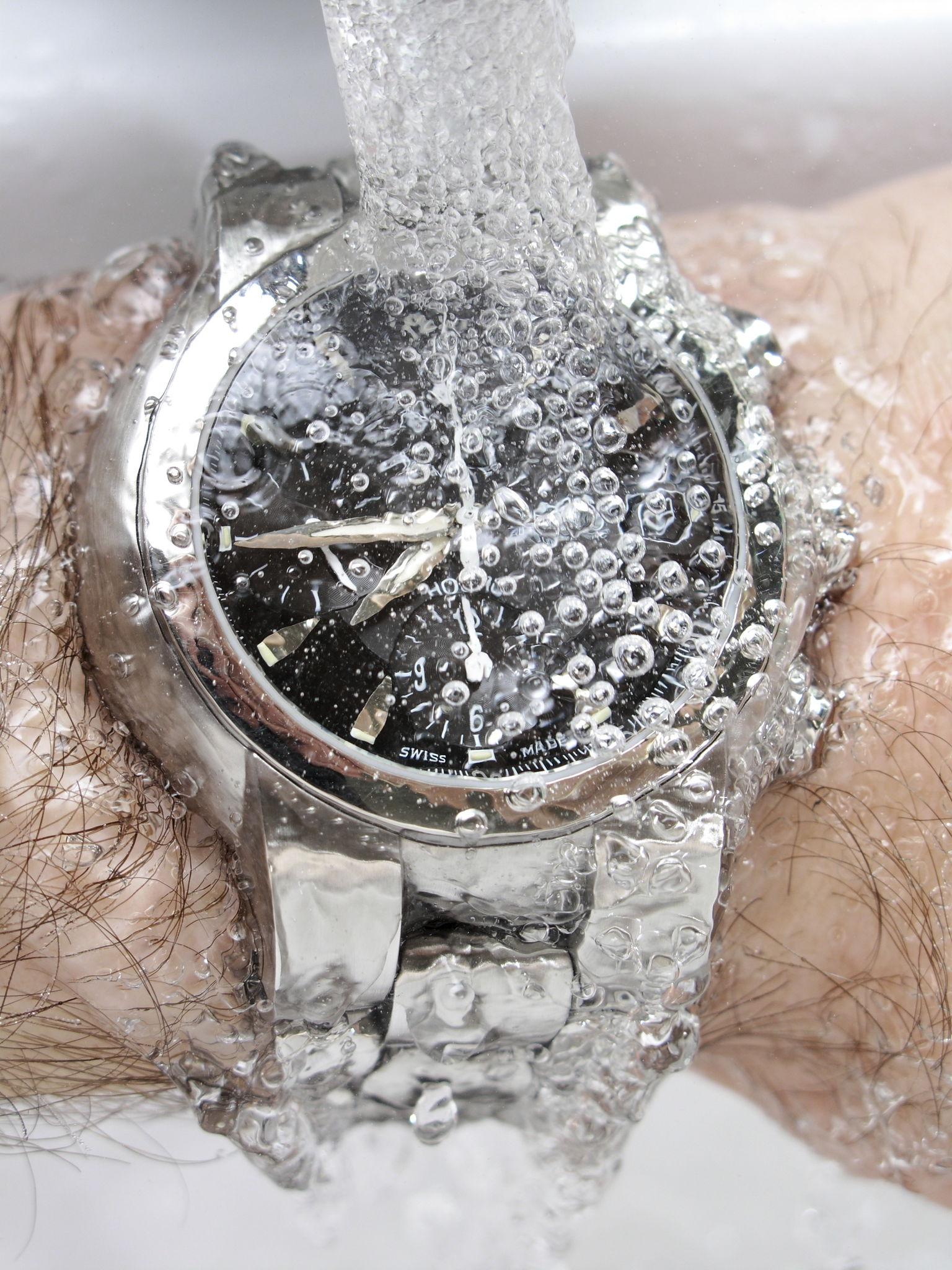
Many people assume showering with a water-resistant watch is harmless, yet hot water creates additional risks. Heat can cause gaskets to expand and contract, weakening their sealing ability over time.
Soap and shampoo compounds may also degrade rubber seals gradually. Steam presents another issue because tiny vapour particles can penetrate weaker seals more easily than liquid water.
Even watches with respectable water-resistance ratings may not be ideal for regular hot showers or saunas unless specifically designed for those environments.
Saltwater and Chlorine Considerations
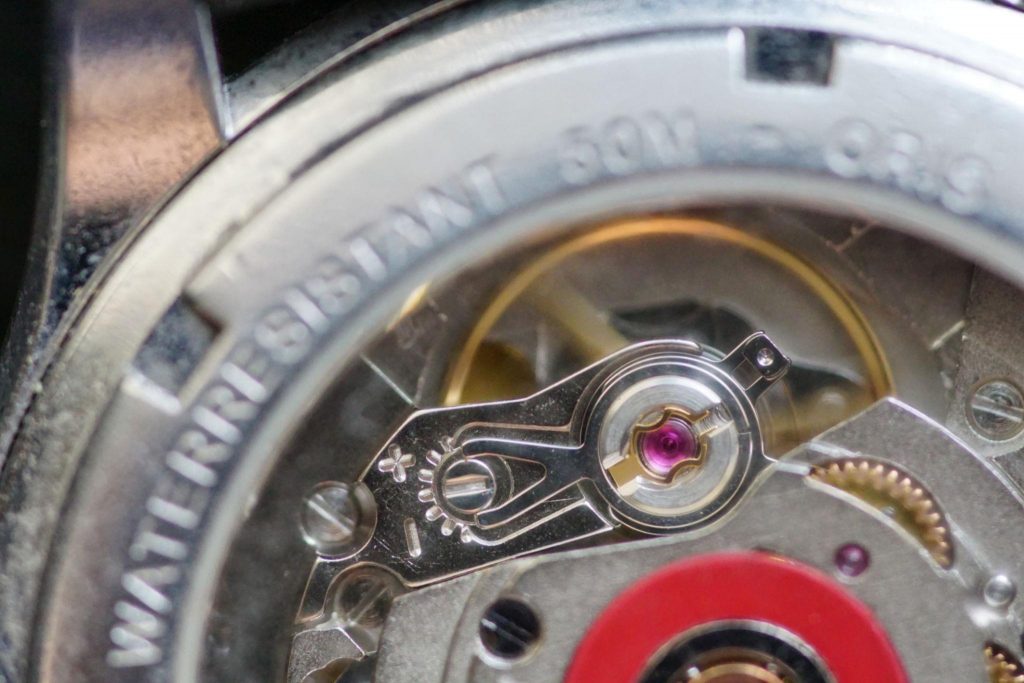
Saltwater and chlorinated pool water introduce another layer of concern. Salt can corrode metal components if not rinsed away properly, while chlorine may affect seals and finishes over time.
Rinsing a watch with fresh water after swimming helps minimise long-term wear. This simple habit significantly extends the lifespan of bracelets, bezels and seals.
Higher-quality dive watches often use corrosion-resistant materials such as stainless steel grades specifically chosen for marine environments.
Vintage Watches and Water Resistance
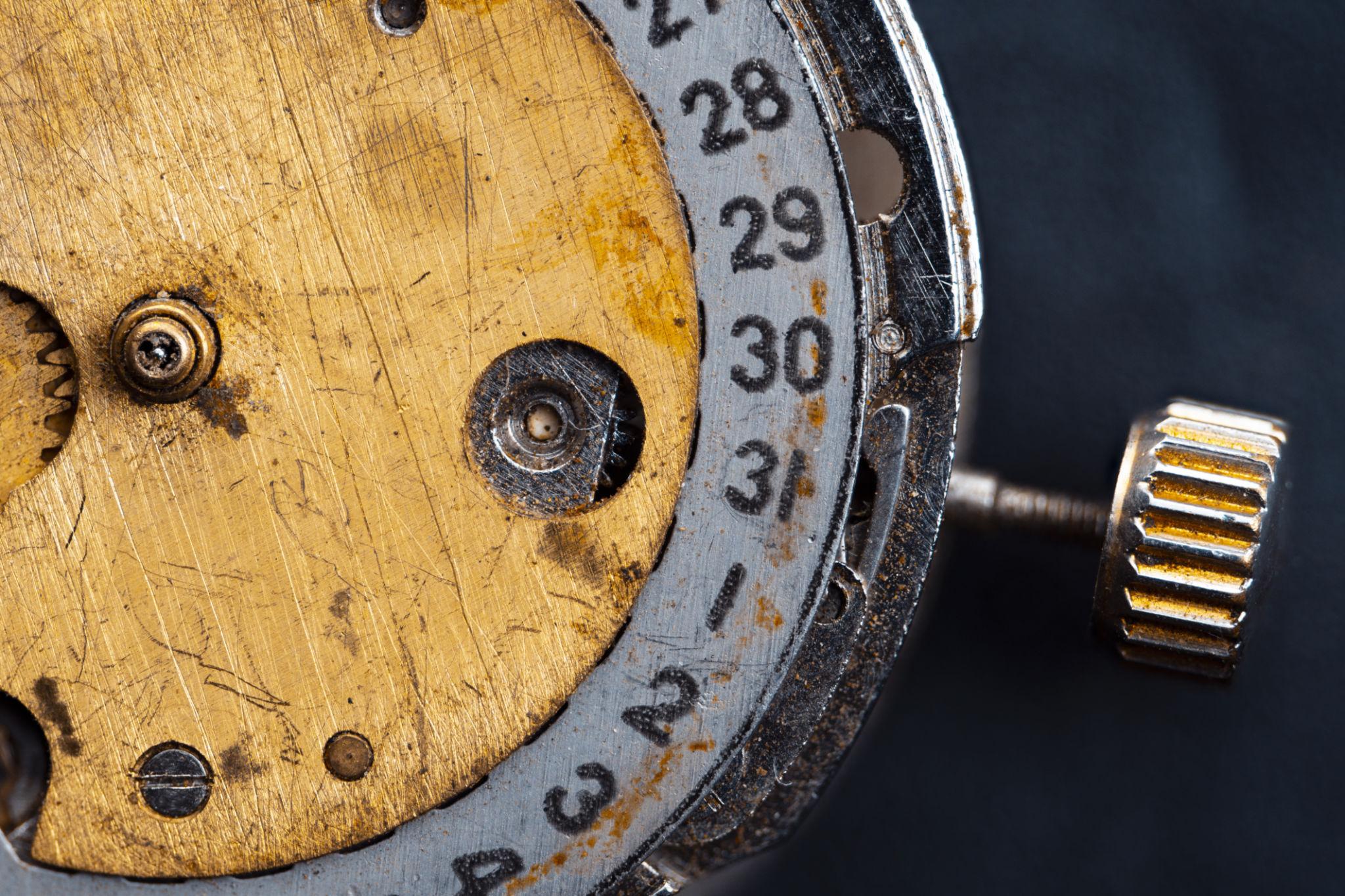
Vintage watches require special caution around water. Even if a vintage piece originally carried a strong water-resistance rating, ageing seals and decades of wear reduce reliability significantly.
Collectors often avoid exposing vintage watches to water entirely unless they have been recently pressure tested and serviced by a trusted watchmaker.
Preserving originality sometimes conflicts with maintaining maximum water resistance. Older crowns, crystals and case backs may no longer seal as effectively as modern components.
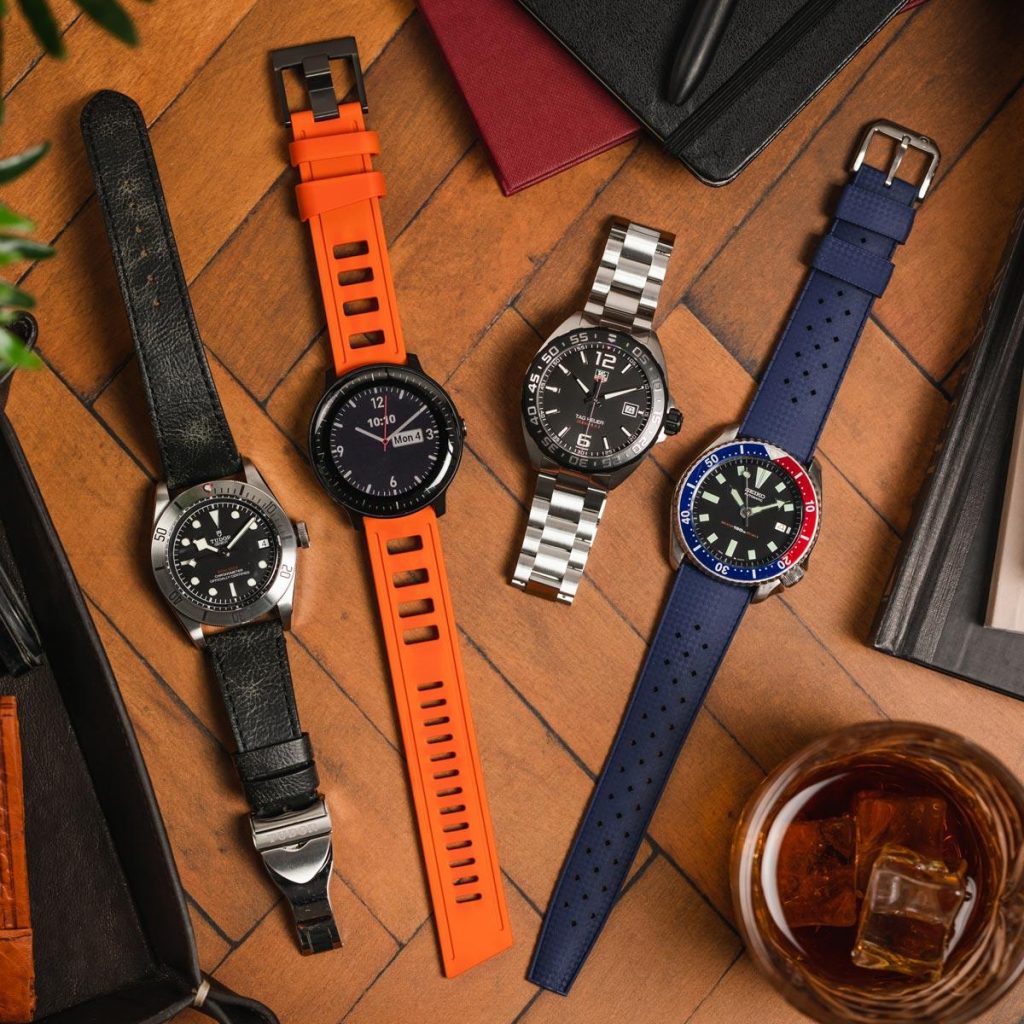
Choosing the Right Water Resistance for Your Lifestyle
Selecting the correct rating depends on how you plan to wear the watch. Someone seeking a formal office watch may only need splash resistance. Active individuals who swim regularly benefit from at least 100 metres of water resistance.
Divers, surfers and water sports enthusiasts should look for dedicated dive watches with robust sealing systems and screw-down crowns. Matching the watch to your actual lifestyle ensures reliability without paying for unnecessary specifications.
Final Thoughts
Water resistance is far more complex than the numbers printed on a dial suggest. Laboratory testing, dynamic pressure, gasket condition and everyday habits all influence how a watch performs around water.
Understanding these details helps you make informed choices while protecting your watch from avoidable damage. A well-built water-resistant watch offers confidence and versatility, yet proper care remains essential regardless of rating. Once you understand what those numbers truly mean, choosing the right watch becomes far simpler and far more practical.