



Diving, Pilot, Dress: The Watch Types Everyone Should Know
Watches may all tell the same time, yet their designs reveal very different stories. Over the decades, specific watch categories have emerged to serve distinct purposes, from deep-sea exploration to high-altitude navigation and formal evening wear. Understanding these core types not only makes shopping easier, it also deepens appreciation for the craft behind each style.
Three of the most important categories to know are diving watches, pilot watches and dress watches. Each developed in response to practical needs, and each continues to influence modern watchmaking in meaningful ways.

Diving Watches: Built for Depth and Durability
Diving watches were created as professional tools long before they became everyday style staples. Early underwater explorers needed reliable timekeeping devices that could withstand extreme pressure and limited visibility.
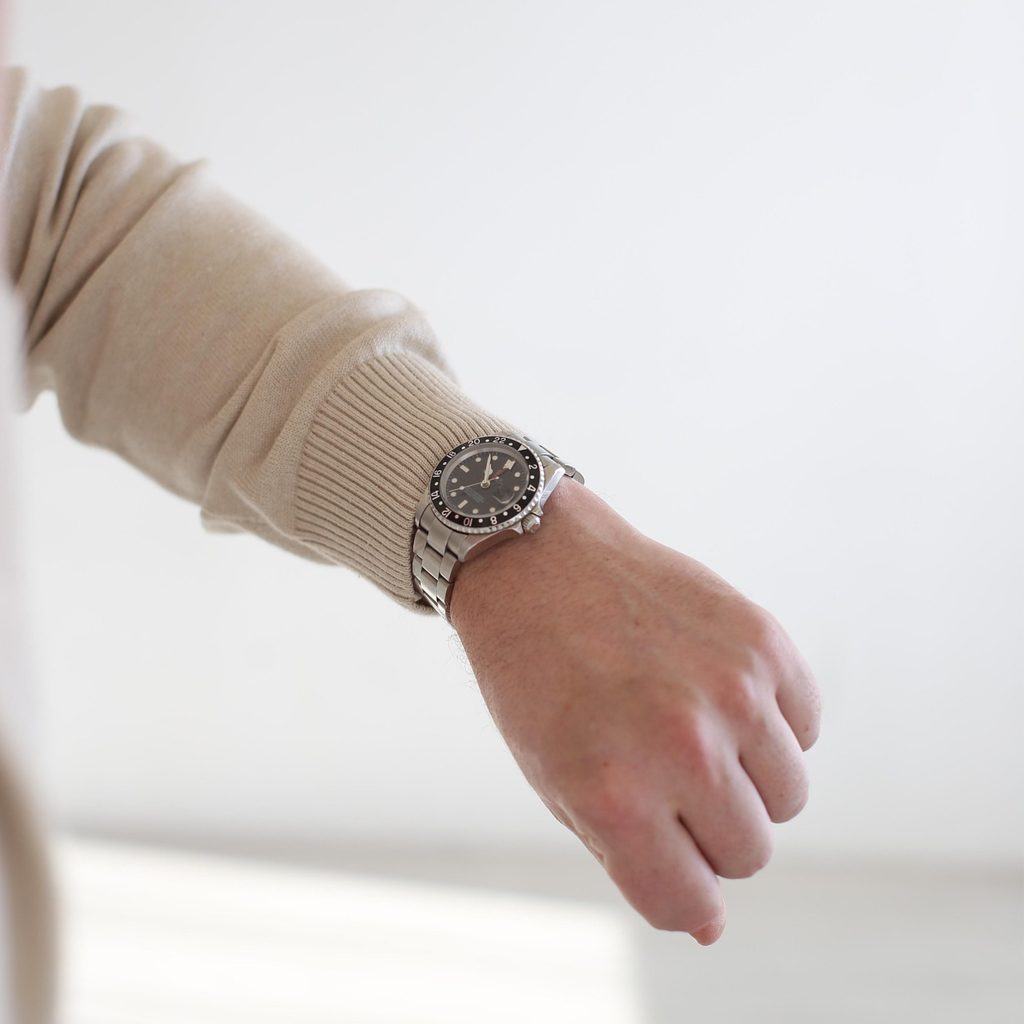
Modern dive watches still follow strict functional principles shaped by those demands. A defining feature of a diving watch is water resistance. Professional dive watches typically offer at least 200 metres of water resistance, though many exceed that threshold. Cases are engineered with screw-down crowns and case backs to create a tight seal against moisture. Another key element is the unidirectional rotating bezel.
This bezel allows divers to track elapsed time underwater by aligning a marker with the minute hand. The unidirectional design ensures that accidental knocks can only shorten the measured dive time, which adds a layer of safety. Legibility plays a crucial role. Bold hour markers, luminous hands and high-contrast dials ensure readability in low-light underwater conditions.
Lume, often made from modern photoluminescent materials, glows after exposure to light, allowing divers to read the time in darkness. While few owners regularly explore ocean depths, dive watches remain popular for their robust construction and sporty aesthetic. Stainless steel bracelets, rubber straps and durable crystals such as sapphire make them practical daily wearers.
Their versatility explains why a tool designed for professional diving now suits everything from casual weekends to office settings.

Pilot Watches: Precision in the Sky
Pilot watches, sometimes referred to as aviator watches, emerged during the early days of aviation. Pilots required timepieces that were easy to read at a glance while navigating aircraft under demanding conditions.
Clarity defines the pilot watch. Large Arabic numerals, clear minute markers and oversized crowns are common features. Early pilots often wore gloves, so larger crowns allowed easy adjustment without removing protective gear. Many pilot watches feature highly legible black dials with white numerals. This high-contrast design ensures quick readability in varying cockpit lighting.
Some models incorporate luminous hands and markers for night flying. Functionality also extends to complications. Chronographs, which measure elapsed time, became especially useful in aviation for tracking flight intervals and fuel calculations. GMT functions, allowing the wearer to track multiple time zones, also align naturally with travel and aviation heritage. The aesthetic of pilot watches often feels purposeful and utilitarian.
Larger case sizes remain common, reflecting their origins as cockpit instruments. Leather straps, frequently in brown or black, enhance the classic aviation look. Modern pilot watches range from historically faithful recreations to contemporary interpretations with advanced materials and movements. Regardless of design updates, legibility and precision remain central to their identity.

Dress Watches: Understated Elegance
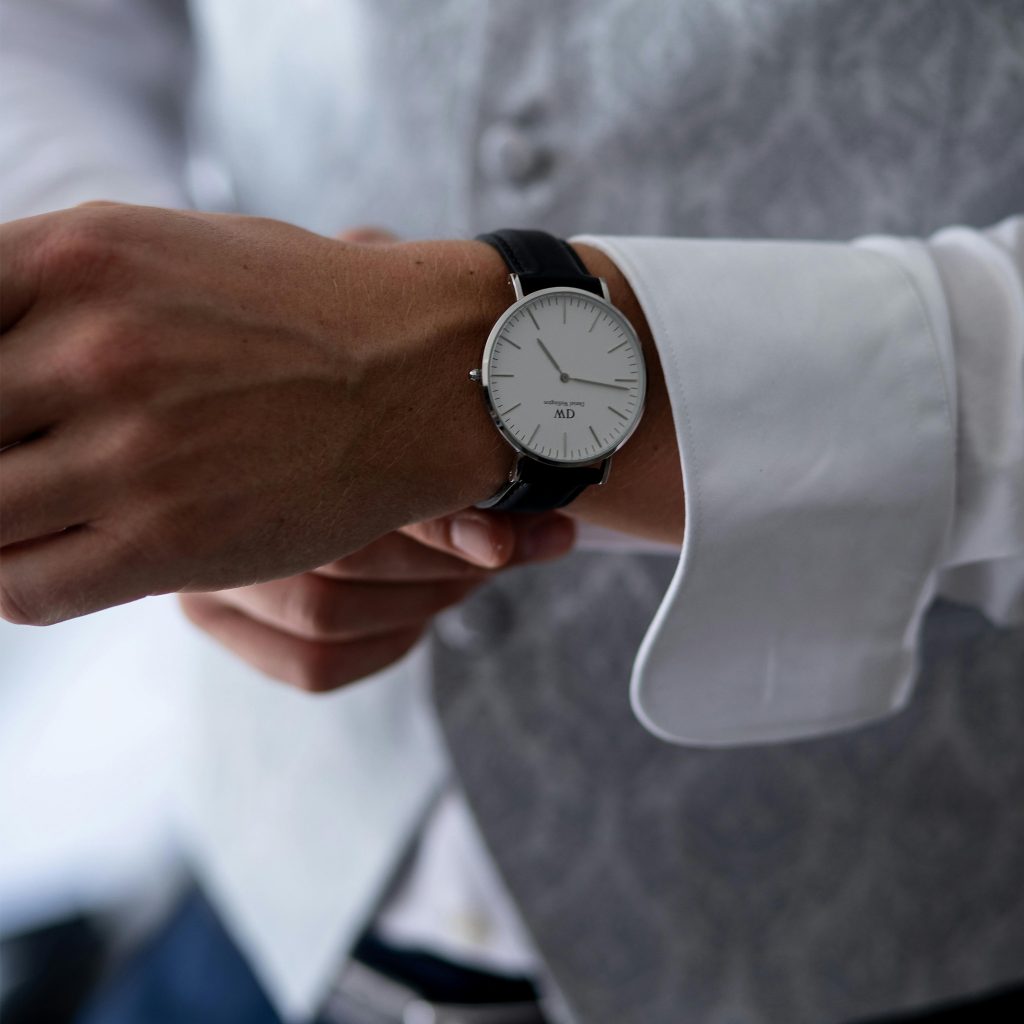
Dress watches occupy a different space entirely. Where dive and pilot watches prioritise functionality in extreme environments, dress watches focus on refinement and simplicity. Traditionally, a dress watch features a slim case that slips comfortably under a shirt cuff.
Case diameters tend to be moderate rather than oversized, preserving proportion and elegance. Minimalism defines the dial, with clean hour markers and limited complications. Time-only displays are most common, though some dress watches include a discreet date window or small seconds subdial. Excessive features can disrupt the clean aesthetic that defines the category.
Materials often reflect formality. Gold cases, whether yellow, white or rose, have long been associated with dress watches. Platinum also appears in higher-end examples. Leather straps, usually in black or brown, complement the polished case and enhance the refined appearance. Despite their simplicity, dress watches demand exceptional finishing.
Smooth surfaces, balanced proportions and careful detailing distinguish an elegant piece from a generic one. Craftsmanship often becomes more apparent precisely because the design avoids distraction. While formal dress codes have relaxed in many settings, dress watches continue to appeal to those who appreciate timeless style. They offer quiet sophistication rather than overt statement.
Key Differences in Design Philosophy
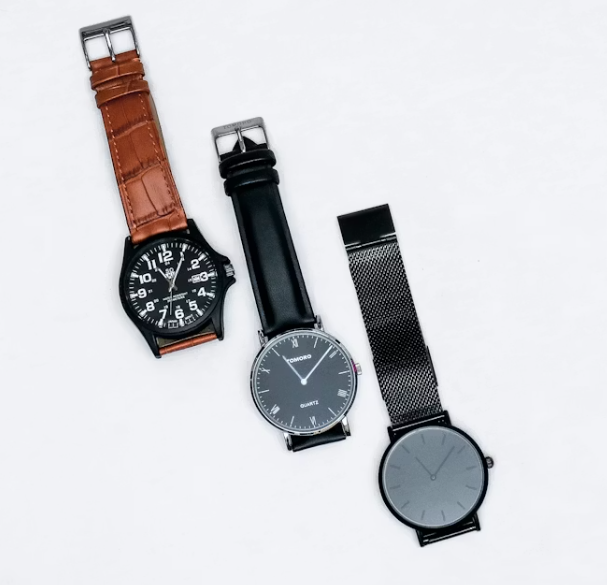
Examining these three categories side by side reveals how purpose shapes design. Diving watches prioritise durability and water resistance, resulting in thicker cases and rotating bezels. Pilot watches focus on legibility and functionality, often featuring large dials and tool- like aesthetics. Dress watches emphasise restraint and proportion, favouring slim profiles and minimal detail. Case thickness provides a clear example of this contrast.
Dive watches require robust seals to ensure water resistance, which increases case height. Pilot watches may also be relatively large to improve visibility. Dress watches, by comparison, are intentionally slim to maintain elegance. Strap choices further reflect function. Metal bracelets and rubber straps suit the rugged nature of dive watches. Leather straps align with the heritage of pilot watches and the refinement of dress pieces.
Movements and Technical Considerations
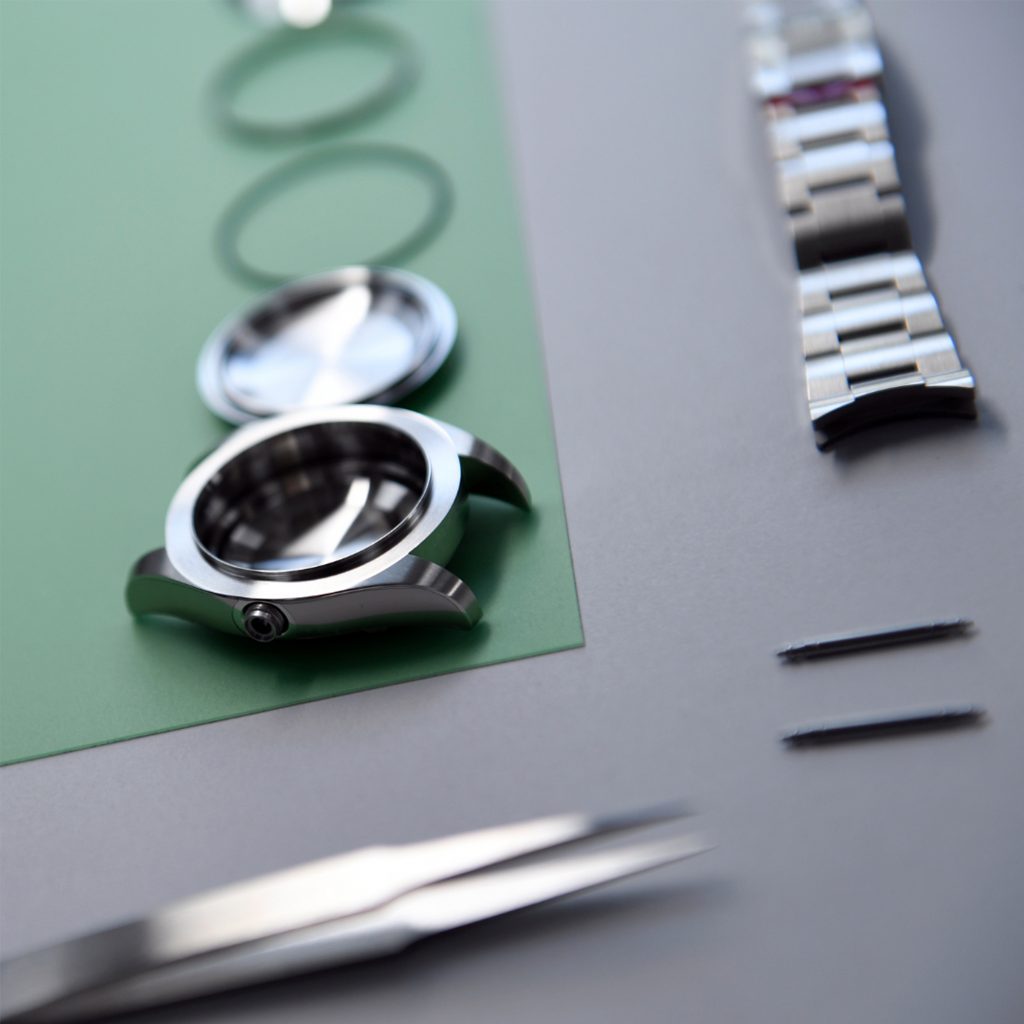
Mechanical movements power the majority of traditional diving, pilot and dress watches, though quartz options exist in each category. Automatic movements, which wind themselves through wrist motion, are particularly common in dive and pilot watches due to their practicality. Water resistance ratings matter significantly for dive watches.
Professional divers often rely on ISO-certified models that meet strict testing standards. Pilot watches and dress watches do not require such extreme water resistance, though basic protection against splashes is typical. Complications vary by category. Chronographs appear frequently in pilot watches due to their timing utility. Dive watches may include date functions but rarely feature complex complications, as simplicity aids underwater readability. Dress watches often limit complications to preserve clean design.
Choosing the Right Type for You
Selecting between diving, pilot and dress watches ultimately depends on lifestyle and personal preference. Those seeking a versatile, durable daily watch often gravitate towards dive watches due to their resilience and sporty appearance.
Frequent travellers or aviation enthusiasts may appreciate the heritage and legibility of a pilot watch, particularly if a GMT function proves useful. Meanwhile, individuals who attend formal events or favour minimalist design often prefer the understated charm of a dress watch.
Many collectors choose to own at least one of each category. Doing so provides flexibility across different occasions while showcasing appreciation for distinct watchmaking traditions.
How These Categories Influence Modern Design
Modern watch brands continue to draw inspiration from these foundational types. Even contemporary sports watches borrow elements from dive watch durability or pilot watch clarity. Minimalist designs often echo the principles established by classic dress watches.
Hybrid designs have also emerged. Some watches blend dive-style cases with dress- inspired dials, creating versatile pieces that bridge categories. This evolution demonstrates how enduring the original design philosophies remain.
Final Thoughts
Diving, pilot and dress watches represent more than stylistic labels. Each category emerged from practical necessity and evolved into a lasting design tradition. Their differences reflect the environments they were built to serve, whether deep underwater, high in the sky or at formal gatherings. Understanding these watch types provides a foundation for making informed choices.
Recognising the purpose behind each design enhances appreciation and allows you to select a timepiece that aligns naturally with your lifestyle and taste. When you understand where a watch comes from, you gain a clearer sense of why it looks and functions the way it does, which ultimately makes ownership far more rewarding.