


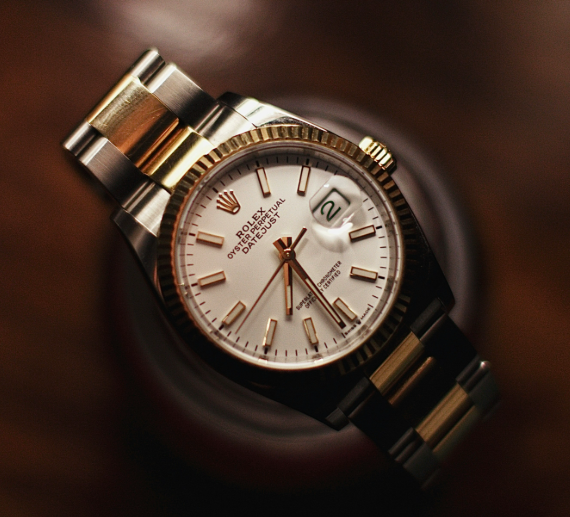
What Makes a Watch Collectible? Key Features to Look For
Collectible watches occupy a space where engineering, design and emotion meet. Some pieces rise quietly in value over decades, while others capture attention almost instantly. Understanding what makes a watch collectible helps explain why certain models become icons while others remain simply well-made timepieces. Collectibility rarely comes down to one factor alone. A combination of heritage, craftsmanship, rarity and story usually sits at the heart of it.
Appreciation for collectible watches often develops gradually. Tastes mature, knowledge deepens and details begin to matter more than surface appearance. Recognising those details allows collectors to make informed choices and enjoy the journey rather than chasing hype.
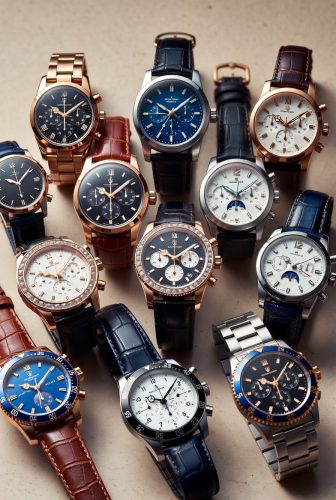
Brand Heritage and Provenance
Brands with long histories of innovation and consistency tend to command greater respect among collectors.
Provenance adds another layer of appeal. A watch linked to a particular era, milestone or historical moment carries a sense of continuity that newer pieces cannot replicate. Collectors often value watches that represent a turning point for a brand, whether that involves a technical breakthrough or a shift in design philosophy.
Trust also matters. Brands that maintain high standards across generations build confidence that their watches were designed to last, not just functionally but aesthetically as well.
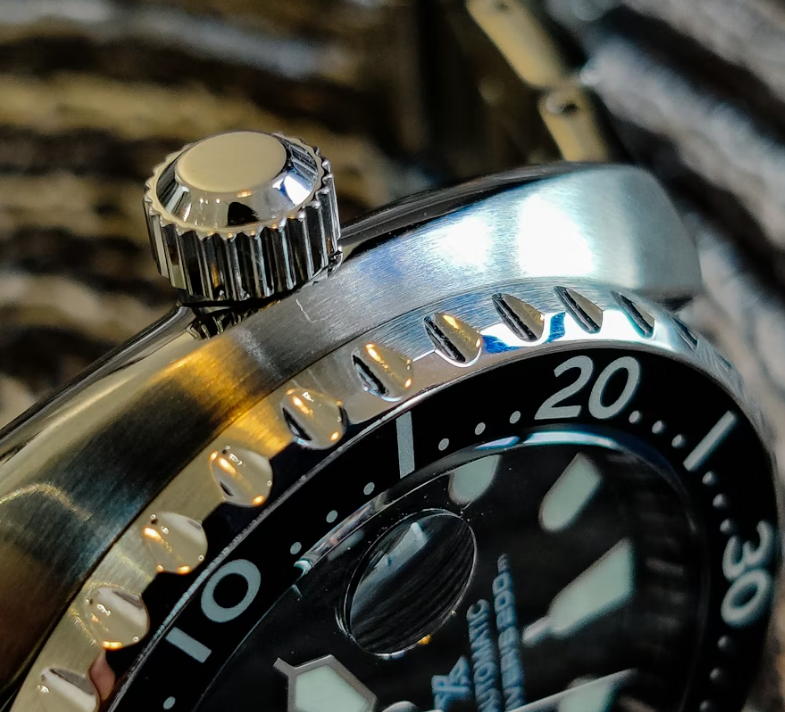
Movement Quality and Technical Excellence
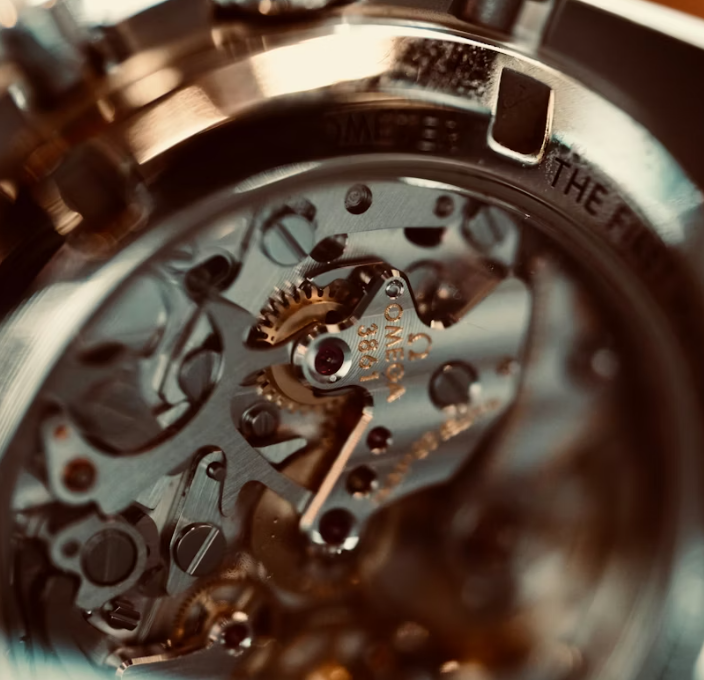
Mechanical movements often form the soul of a collectible watch. Precision engineering, thoughtful construction and reliability contribute significantly to long-term appeal. Handfinished movements, in particular, signal a level of care that collectors notice and appreciate.
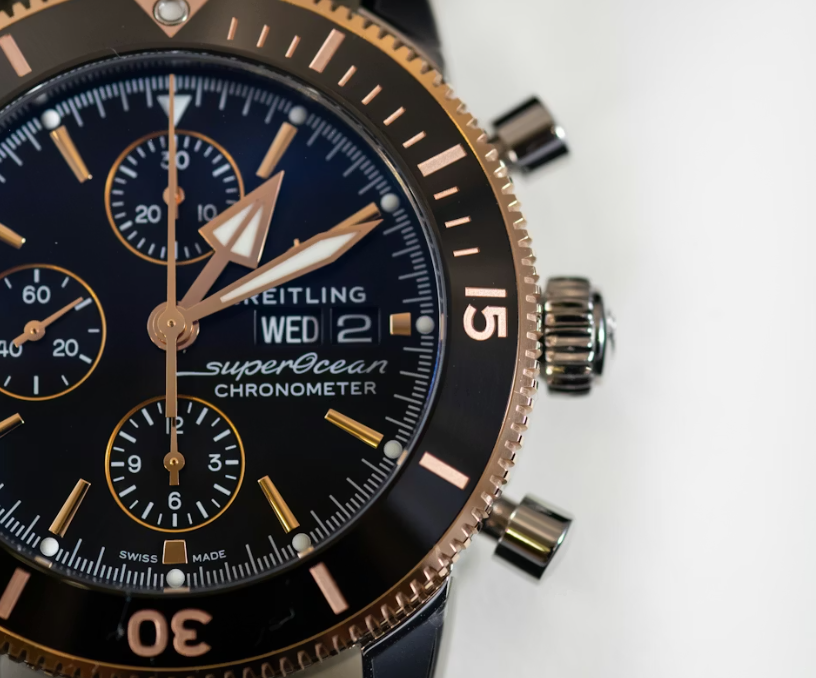
Complications elevate interest further. Chronographs, perpetual calendars, moonphases and tourbillons showcase technical mastery and problem-solving. Complexity alone does not guarantee collectibility, but thoughtful execution often does.
In-house movements tend to attract stronger attention than outsourced calibres. Control over design and production suggests commitment to craft, which resonates with collectors who value authenticity.
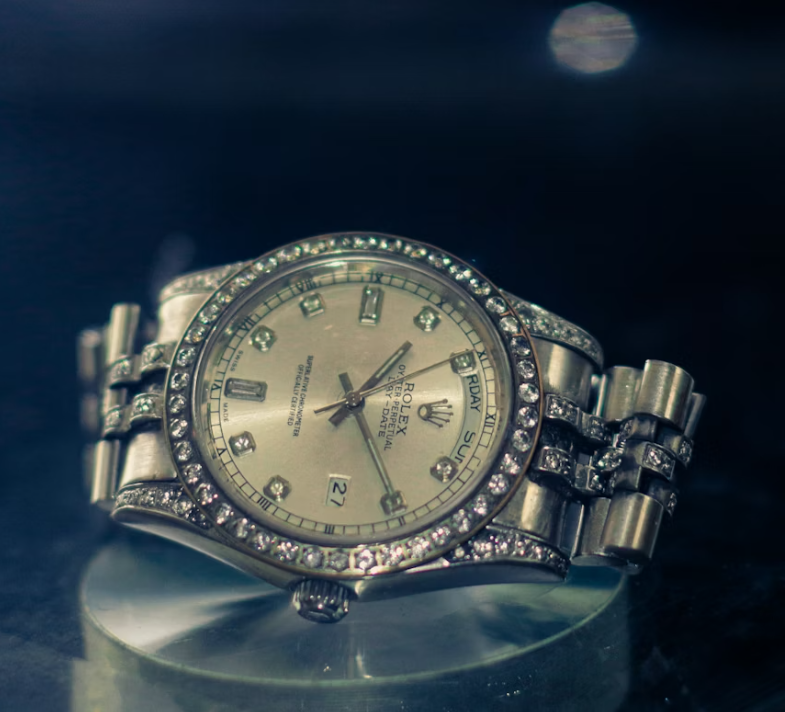
Rarity and Production Numbers
A watch that is scarce is more likely to be more collectible and that is a factor that is hugely important. Limited production runs create natural demand, especially when paired with strong design or technical features. Watches produced in small numbers often develop loyal followings, particularly if production ceased unexpectedly.
Rarity does not always mean intentional limitation. Short production periods, discontinued references or models replaced quickly due to low sales can become highly desirable years later. These watches often reflect design choices that felt unconventional at the time but gained appreciation with distance.
Serial numbers, production records and reference variations provide valuable insight. Subtle dial changes or case adjustments can separate common examples from sought-after variants.
Design Consistency and Timeless Appeal
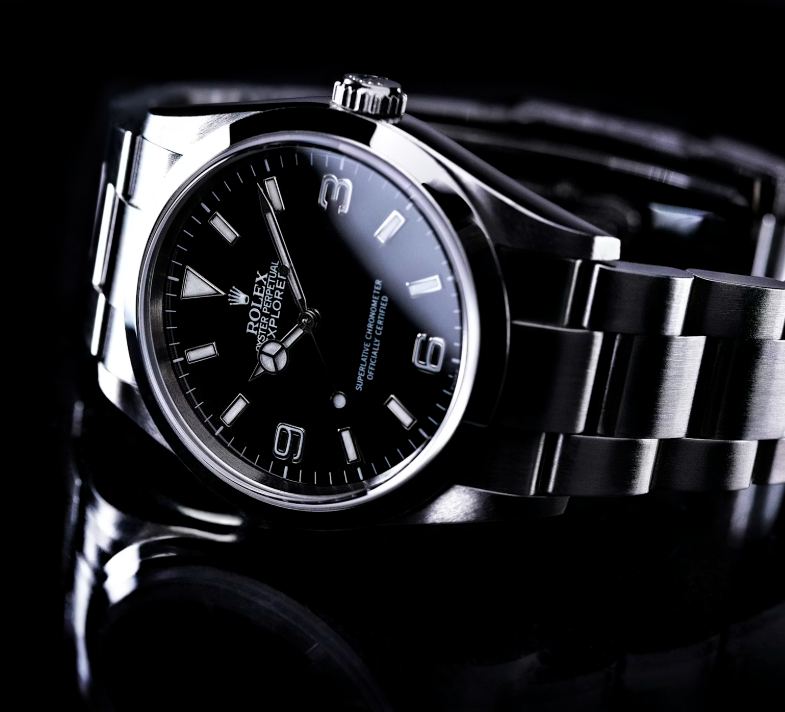
Watches that avoid extreme trends tend to age gracefully, maintaining relevance across generations. Balanced proportions, legible dials and harmonious case shapes contribute to longevity.
Iconic designs often remain largely unchanged for decades. Familiar silhouettes become instantly recognisable, which strengthens emotional connection and brand identity. Collectors appreciate continuity because it reinforces confidence in the original design.
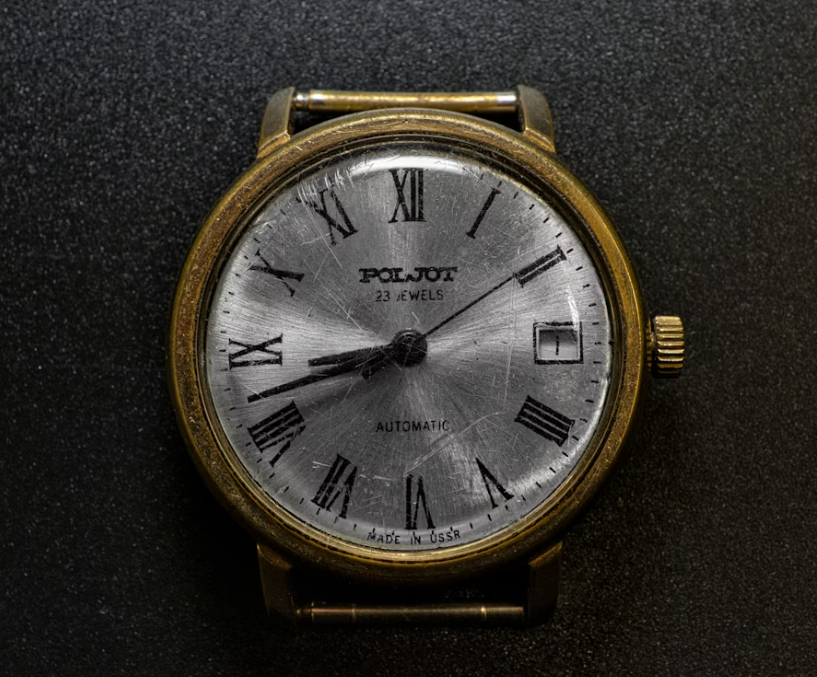
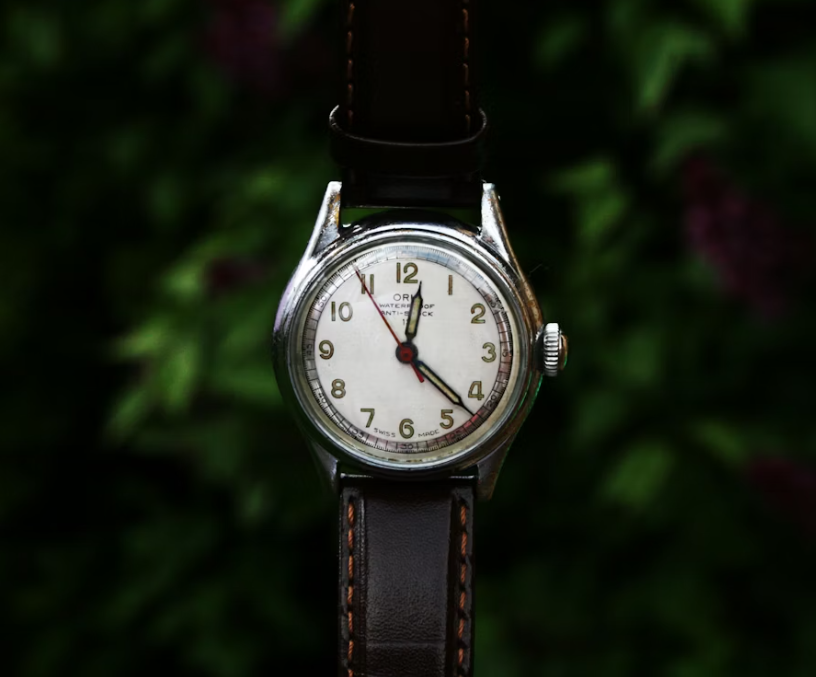
Patina adds character rather than detracting from appeal when design fundamentals remain strong. Natural ageing can enhance warmth and authenticity, particularly on vintage pieces.
Condition and Originality
There is no denying that desirability and value are both underpinned by the condition of the watch. Well-preserved watches attract greater interest, especially when original components remain intact. Dials, hands and bezels matter greatly, as replacements can diminish historical integrity.
Originality carries particular weight. Factory parts, correct finishes and unaltered cases preserve the watch’s story. Over-polishing, while often well-intentioned, can soften edges and remove defining details.
Service history also matters. Mechanical watches require maintenance, yet sensitive servicing that respects originality supports long-term collectibility.
Historical Significance and Cultural Impact
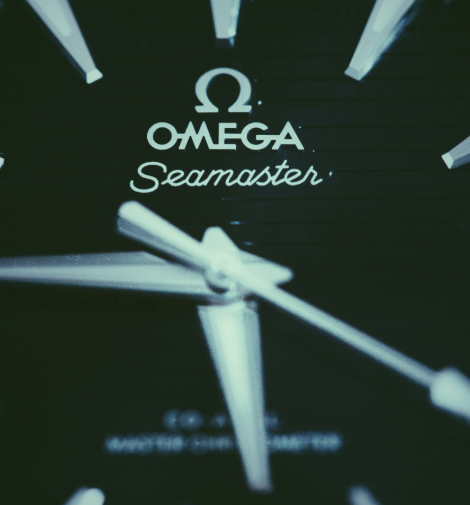
Some watches gain collectible status through association rather than rarity alone. Models worn during notable events or linked to exploration, aviation or motorsport carry narrative depth.
Cultural presence adds further interest. Appearances in film, association with public figures or adoption by professional communities elevate recognition. These connections embed watches within broader history rather than limiting them to horology alone. Stories create emotional attachment. Collectors often value what a watch represents just as much as how it performs.
Materials and Build Quality
Materials influence durability and perception and the likes of stainless steel remains highly desirable due to strength and versatility. Precious metals add intrinsic value, though collectibility often depends more on design execution than material cost.
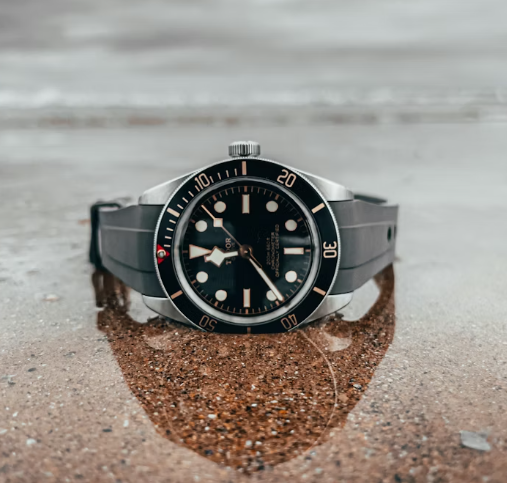
Case construction quality signals intent. Sharp finishing, well-integrated bracelets and thoughtful ergonomics suggest attention to detail. Watches built to withstand demanding conditions often age better, both structurally and aesthetically.
Crystal choice also matters. Sapphire offers scratch resistance, while acrylic on vintage pieces contributes warmth and charm. Context determines preference rather than absolute superiority.
Market Demand and Collector Community
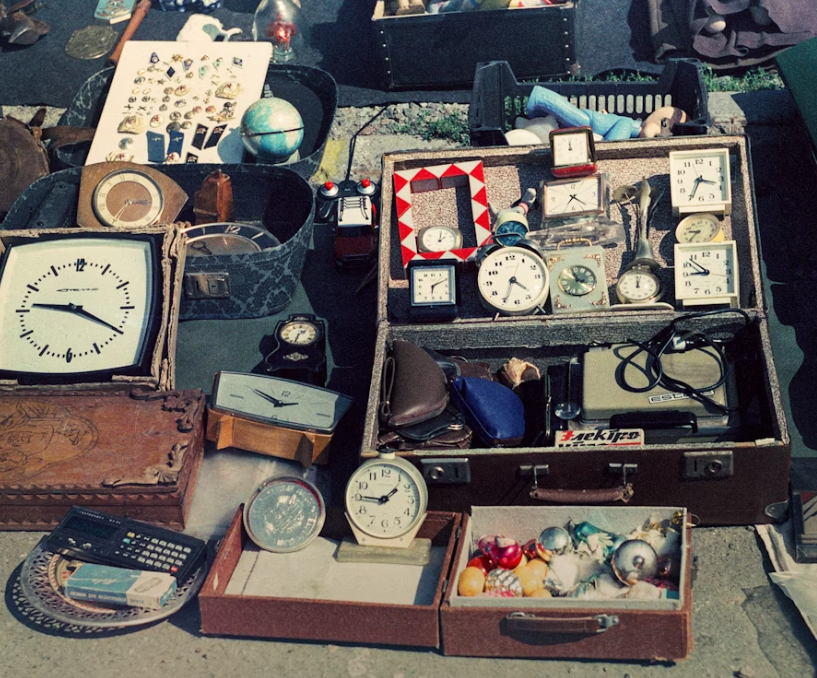
Demand shapes collectibility over time and that’s all down to how strong collector communities create shared knowledge and enthusiasm that sustain interest. Forums, auctions and specialist publications influence perception by highlighting notable references and discoveries.
Auction performance provides useful signals, though trends can fluctuate. Long-term collectibility usually reveals itself through consistent appreciation rather than sudden spikes.
Community engagement matters. Watches discussed, studied and admired tend to remain relevant longer than those that quietly disappear from conversation.
Documentation and Completeness
Completeness enhances appeal. Original boxes, papers and accessories strengthen provenance and reassure buyers. Documentation confirms authenticity and provides insight into production period and configuration.
Service records further support confidence. Transparent maintenance history suggests responsible ownership, which collectors value.
While watches can remain collectible without full sets, completeness often separates good examples from exceptional ones.
Modern Collectibles and Future Classics
Modern watches can become collectible surprisingly quickly. Thoughtful design, limited production and strong brand backing contribute to early recognition. Contemporary collectors often identify future classics by looking for originality rather than imitation.
Innovation plays a role here. New materials, unconventional complications or refreshed interpretations of classic designs can resonate when executed convincingly.
Time remains the ultimate test. Watches that continue to feel relevant after trends fade tend to earn lasting respect.
Understanding Collectibility Beyond Price
Collectibility extends beyond financial value because emotional connection, enjoyment and appreciation of craft define meaningful ownership. Many collectors prioritise personal satisfaction over market performance.
A watch worn and loved often becomes more significant than one kept purely for resale. Collectibility thrives where passion exists.
A Thoughtful Approach to Collecting
Understanding what makes a watch collectible encourages patience and curiosity. Research, observation and experience reveal patterns that go beyond brand names or price tags.
Every collectible watch tells a story shaped by design, purpose and history. Recognising those elements transforms collecting from acquisition into appreciation, which ultimately defines why certain watches endure while others fade quietly into time.