Robert Gatward Jewellers

Luxury Jewellery Trends for 2026: Our Predictions for the New Year

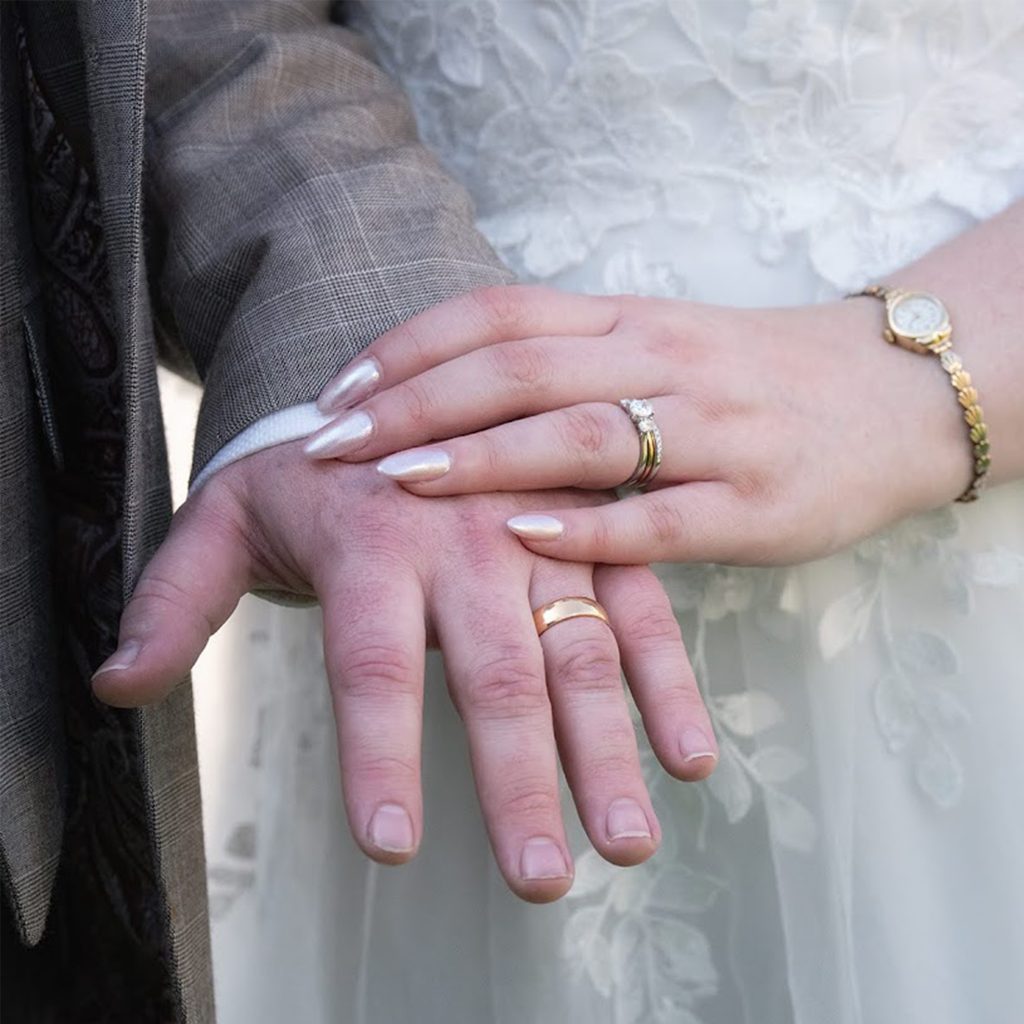
Jewellery carries meaning that extends far beyond its sparkle. Among the most important pieces people will ever wear are engagement and wedding rings. Both are integral to the traditions surrounding marriage, but their purposes and appearances are often confused. Understanding how they differ helps couples make informed choices and gives context to the traditions that have been passed down through generations.

How Luxury Jewellery Is Being Redefined

Luxury jewellery continues to move away from being purely symbolic of wealth and status and towards something far more personal. Buyers want pieces that feel considered, meaningful and made to last, rather than items chosen simply because they follow a seasonal look. Emotional connection now plays a central role in purchasing decisions, with craftsmanship and intention carrying just as much weight as visual impact. Jewellery houses responding to this shift focus on depth rather than novelty, designing collections that feel relevant now and still desirable many years from today.

High Jewellery Designed for Real Life

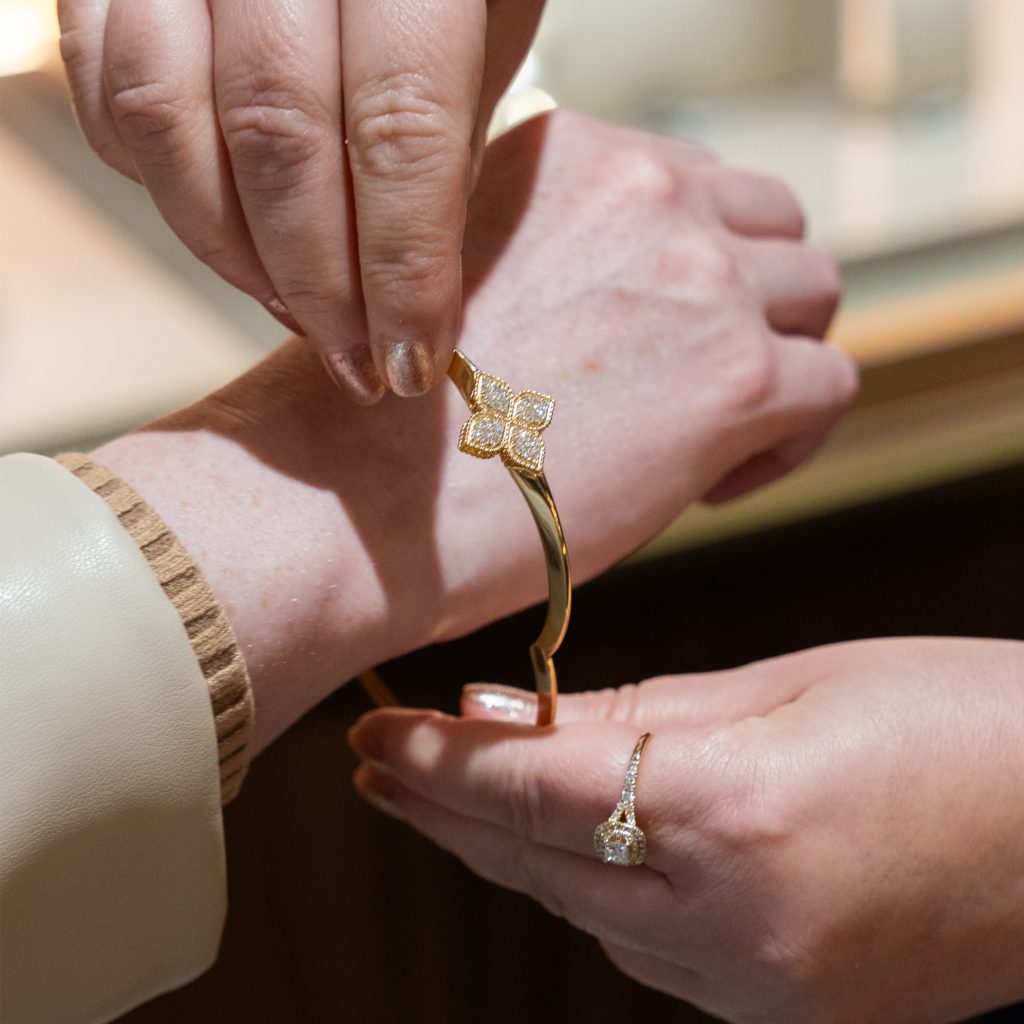
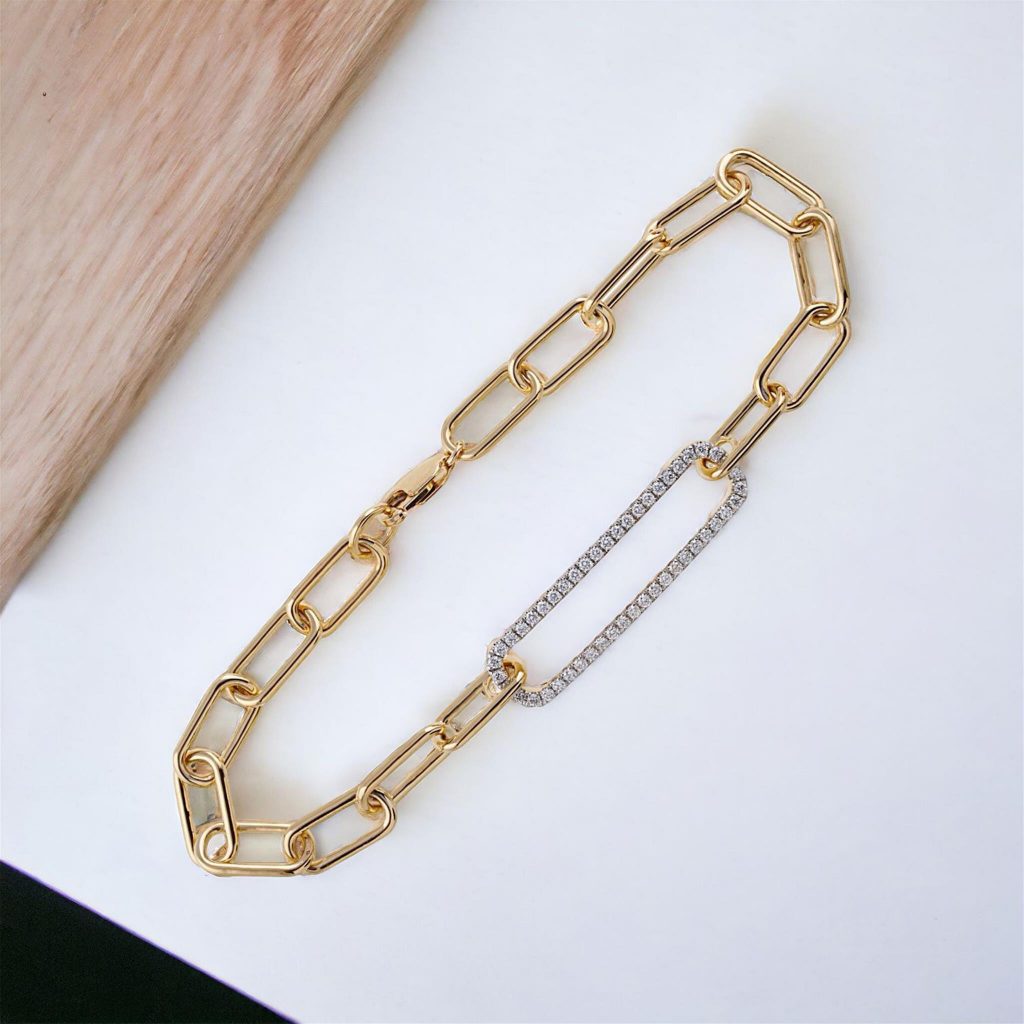
High jewellery feels far less reserved than it once did. Designers increasingly imagine how pieces fit into everyday routines rather than special occasions alone. Necklaces sit lower and flatter against the skin, rings are shaped for comfort, and bracelets move naturally with the wrist. Luxury still looks impressive, yet it feels easier to wear and far less precious in the traditional sense. This change reflects how people live now, where fine jewellery becomes part of daily expression rather than something locked away.

Personalisation Becoming More Meaningful

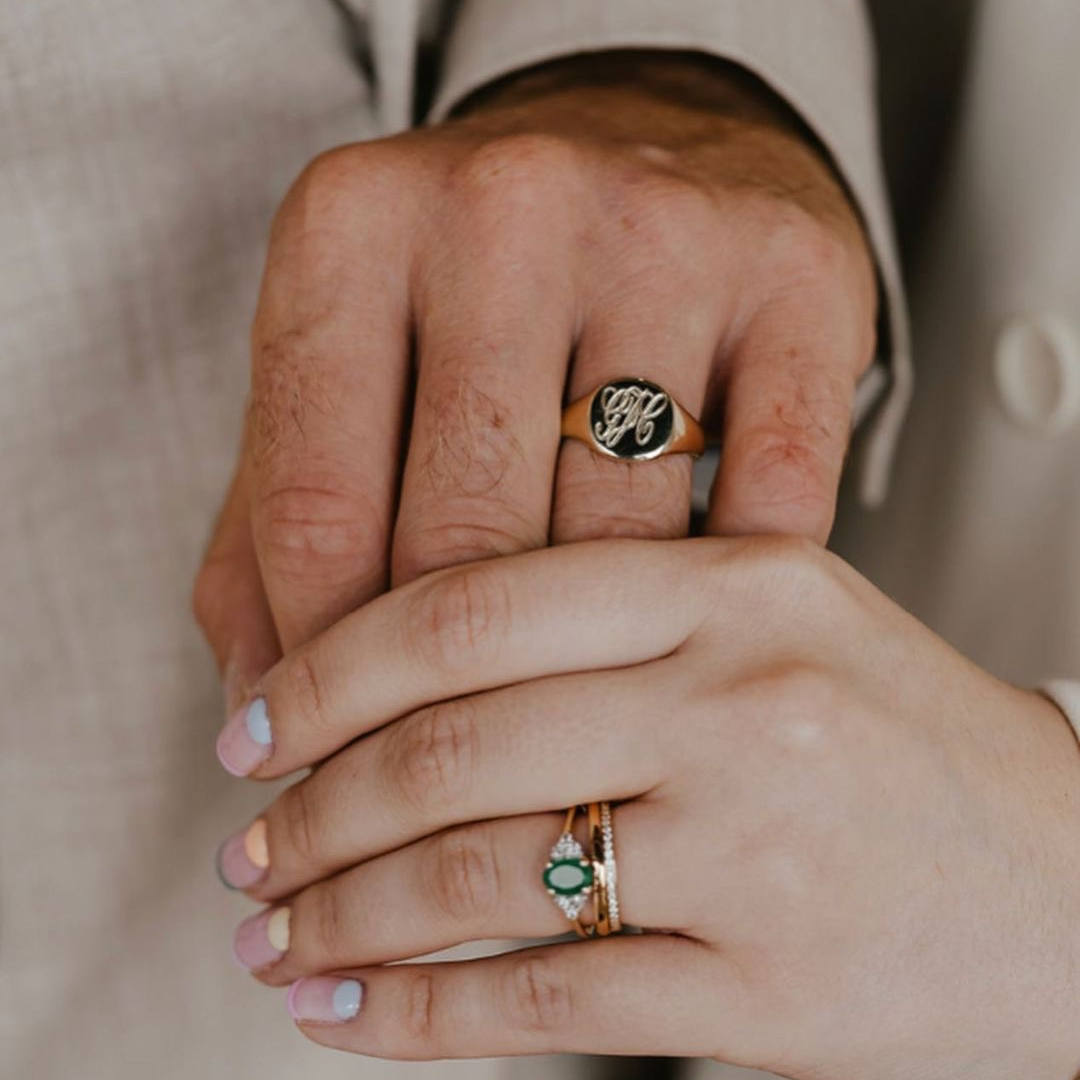
Personalised jewellery has grown beyond initials and dates. Clients now want deeper involvement in the design process, choosing gemstones that hold personal significance or selecting settings that reflect their style rather than current fashion. Designers accommodate this by offering adaptable designs that allow thoughtful changes without compromising structure or quality. The result feels intentional rather than decorative. Jewellery created this way often carries stronger emotional value, which explains why buyers are willing to invest more time and care in the decision.

Coloured Gemstones Stepping into the Spotlight

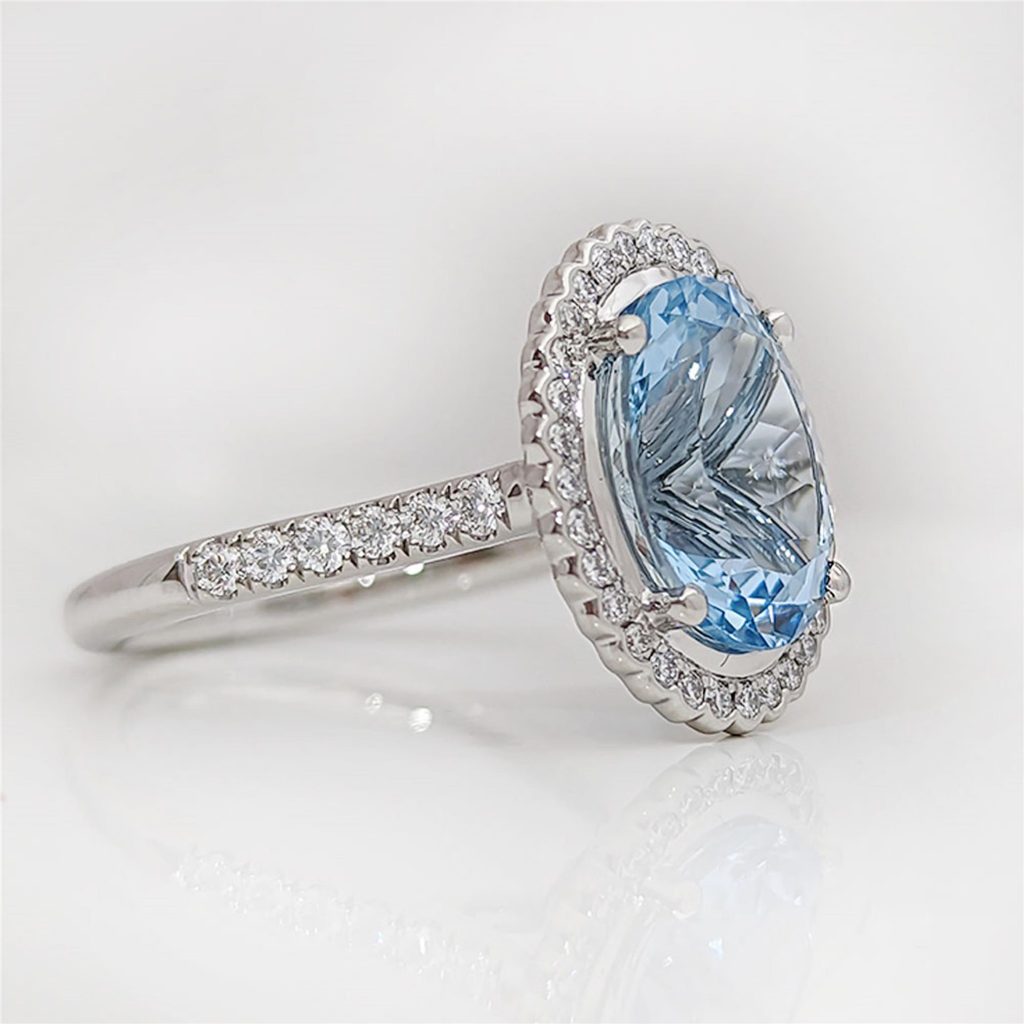
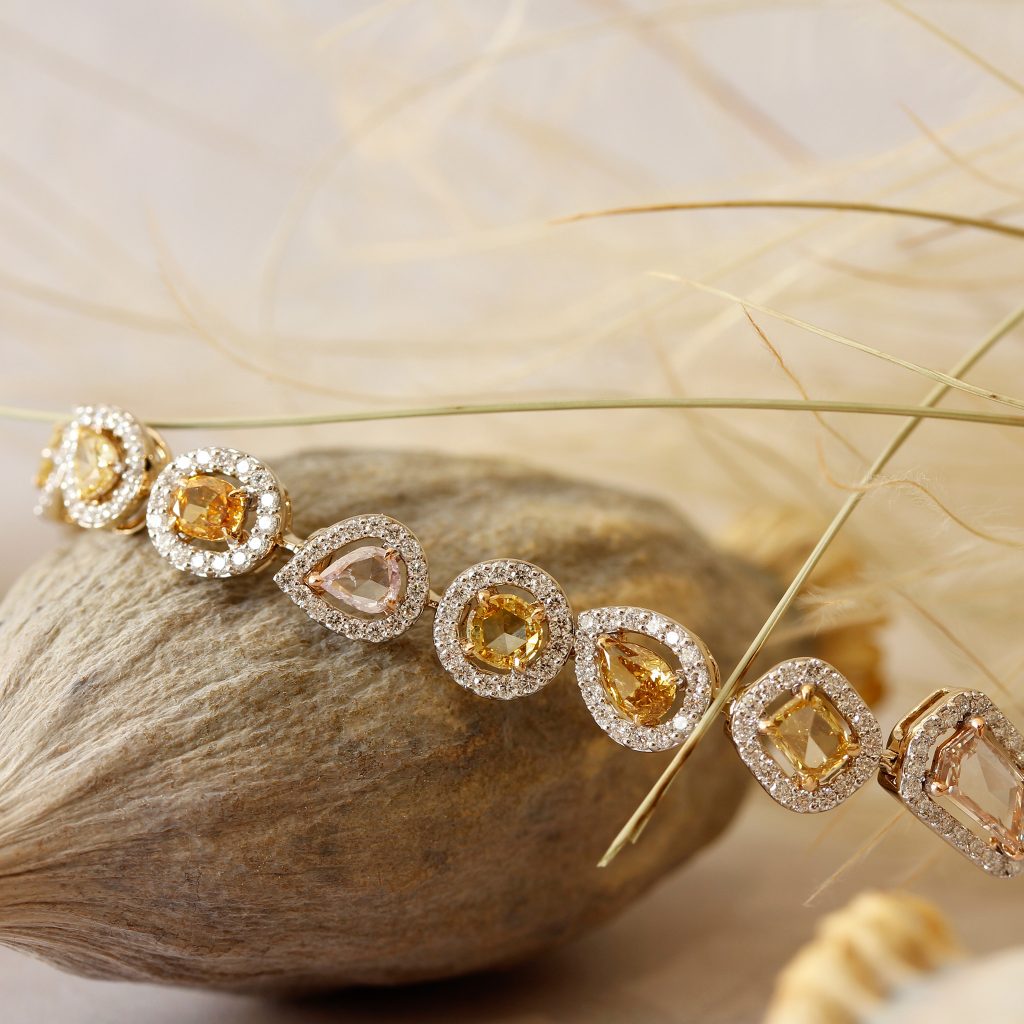
Coloured gemstones continue to gain momentum as buyers look for individuality. Sapphires in soft pastels or deep blues, emeralds with visible character, and richly toned tourmalines appear more frequently as centre stones rather than accents. Colour adds personality and creates immediate distinction, especially for those who want something less predictable than a traditional diamond piece. Designers use colour thoughtfully, pairing stones with metals that enhance their natural depth rather than overpowering them.


Laboratory Grown Diamonds Reaching Creative Maturity

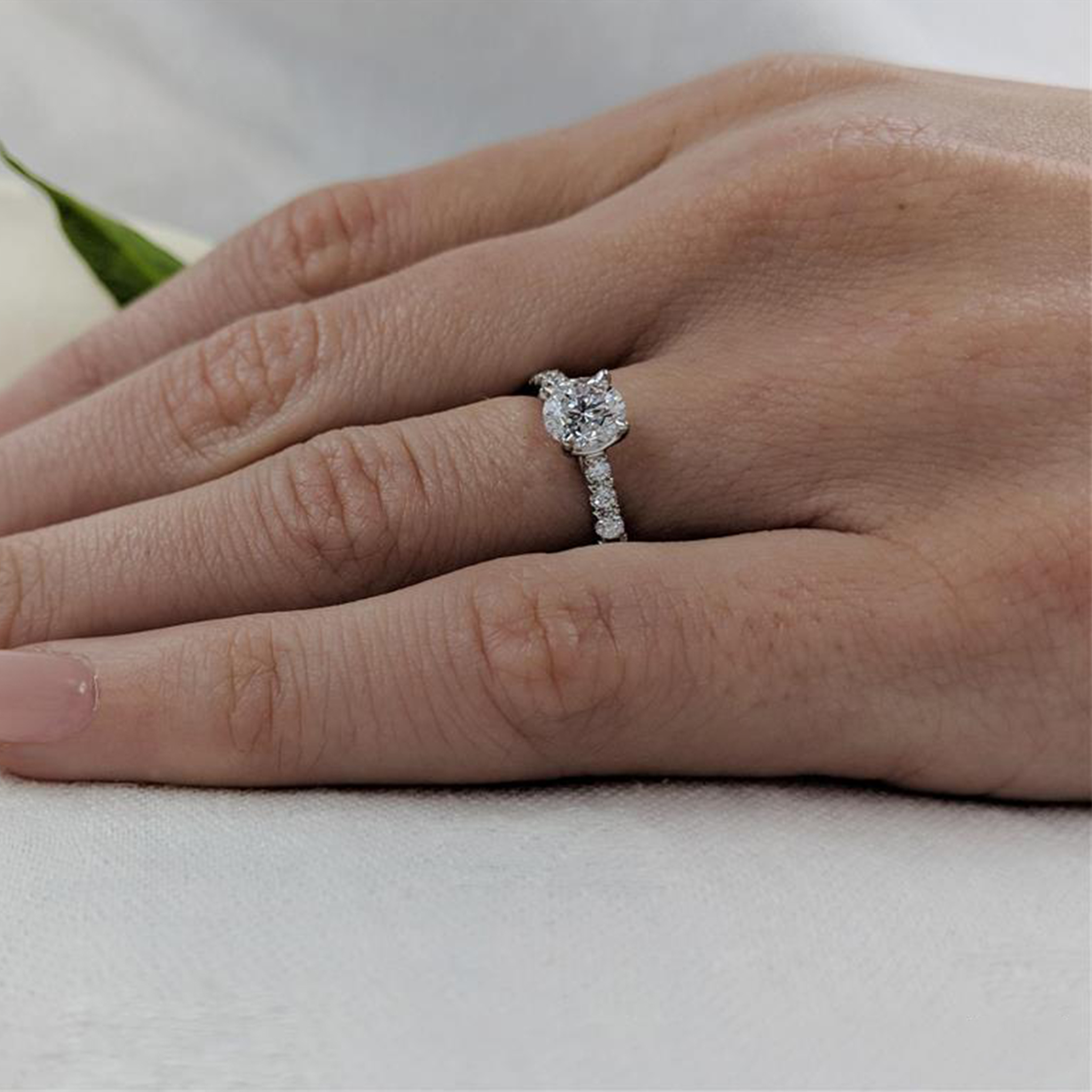
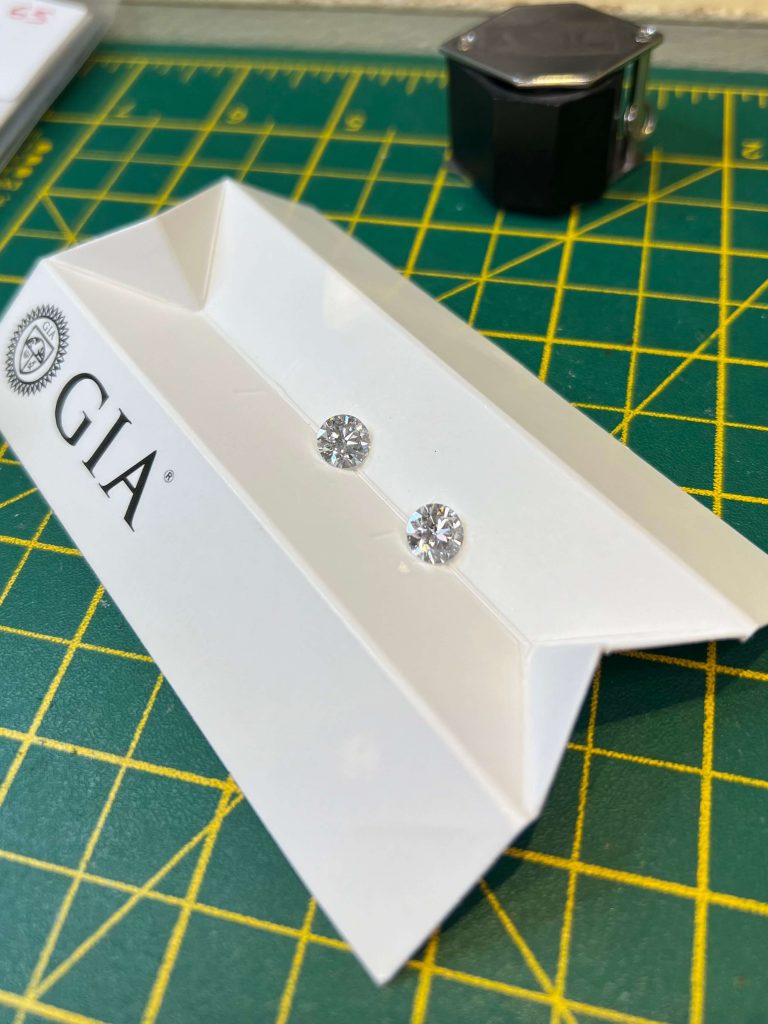
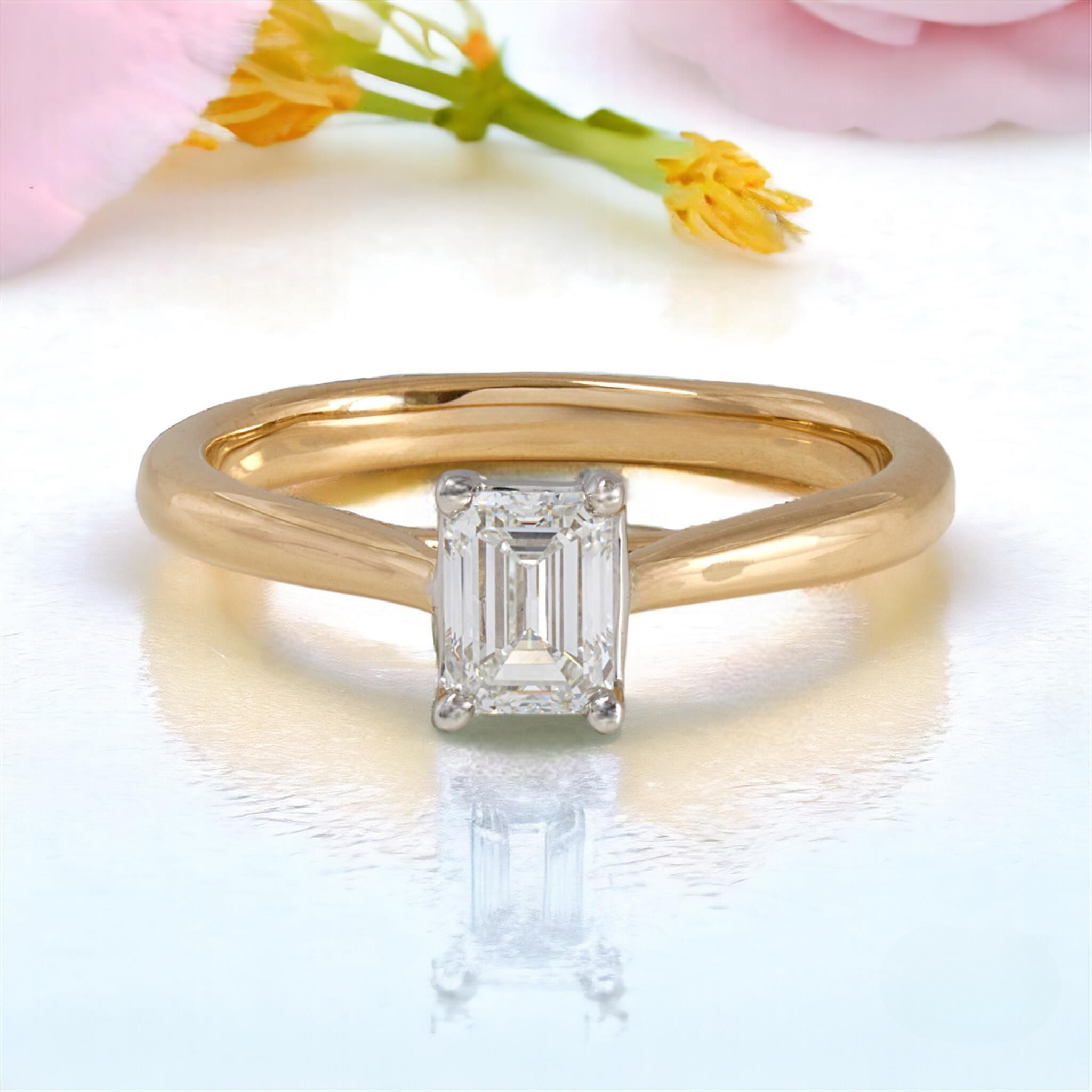
Laboratory-grown diamonds have evolved into a confident part of modern fine jewellery, now appearing within luxury collections as a considered choice in their own right. Designers are increasingly incorporating them into a wide range of styles, from refined classics to contemporary statement pieces.

Many clients appreciate the consistency and clarity that laboratory-grown diamonds can offer, along with transparent information around origin and certification. For some, they also provide a way to explore particular sizes or styles within a chosen budget, without compromising on the overall look or craftsmanship of the piece. As a result, the conversation is shifting from comparison to the broader design possibilities available across all diamond options.

Vintage Inspiration with a Lighter Touch

Design references drawn from earlier eras remain popular, though execution feels noticeably more refined. Geometric patterns inspired by early twentieth-century styles appear with smoother edges and lighter settings. Ornate details feel more subtle, allowing craftsmanship to shine without overwhelming the piece. Modern techniques make these designs easier to wear while retaining their sense of heritage. This balance appeals to buyers who enjoy tradition but want jewellery that feels current rather than nostalgic.

Yellow Gold Making a Confident Return

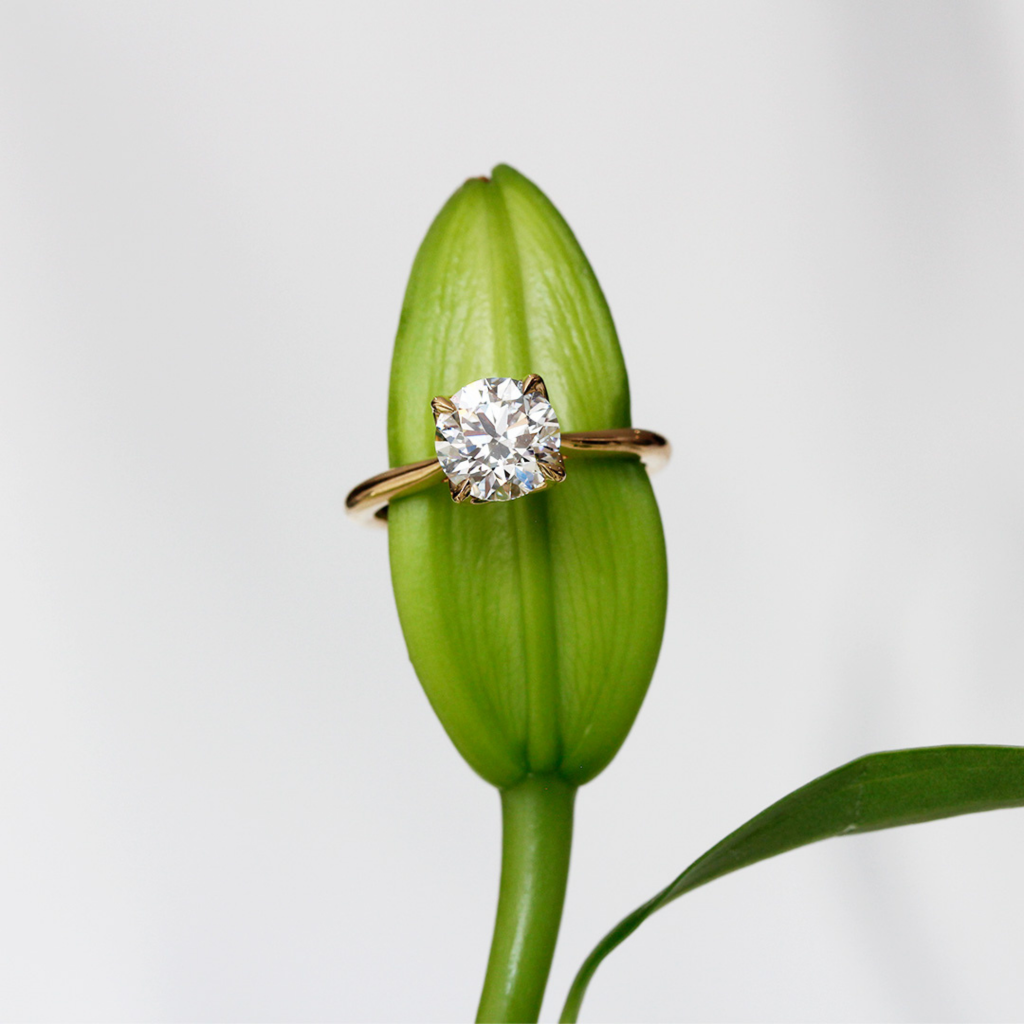
Yellow gold continues to strengthen its position within luxury jewellery. Warm tones suit a wide range of skin tones and pair beautifully with both diamonds and coloured gemstones. Designers experiment with brushed, matte and softly polished finishes that give the metal a contemporary feel. Yellow gold also appeals to buyers thinking long-term, as it ages gracefully and develops character over time. Rose gold remains popular, while white gold becomes more selective and design-led in its use.

Earrings Taking Centre Stage

Earrings play a defining role in jewellery styling for 2026. Sculptural forms, elongated drops and bold hoops offer impact without relying on excessive decoration. Designers focus on balance and movement, allowing earrings to catch light naturally as the wearer moves. Lightweight construction ensures comfort even with larger designs, which makes statement earrings practical rather than intimidating. A strong pair of earrings often replaces layered jewellery, creating a confident and uncluttered look.

Sustainability Influencing Every Decision

Sustainability now shapes jewellery design from the earliest stages. Responsible sourcing of gemstones and metals is no longer optional, and buyers expect transparency as standard Brands invest in traceable supply chains, recycled materials and ethical production practices. Packaging, distribution and long-term maintenance all form part of this conversation. Clients want reassurance that luxury purchases align with personal values, which encourages brands to communicate clearly and act responsibly.

Sculptural Jewellery Gaining Momentum

Sculptural design continues to influence modern jewellery, drawing inspiration from art, architecture and natural forms. Bold curves, unexpected angles and thoughtful use of negative space create pieces that feel expressive and confident. These designs act as wearable statements while remaining refined and balanced. The emphasis sits firmly on form rather than embellishment, allowing shape and proportion to do the work.

Mixed Metals Used with Greater Intent

Mixing metals remains popular, though combinations feel more deliberate and cohesive. Yellow gold, white gold and platinum appear together in carefully considered proportions rather than competing for attention. This approach allows jewellery to adapt easily to different outfits and existing collections. Buyers appreciate the flexibility and depth mixed metals offer when executed with restraint and balance.

Minimalism Supported by Exceptional Craftsmanship

Minimalist jewellery continues to appeal, though attention shifts towards finishing and detail. Clean lines, smooth surfaces and precise settings highlight the quality of materials rather than decoration. Subtle design choices become more noticeable when execution is flawless. This quiet confidence resonates with buyers who value refinement and restraint over excess.

Heirloom Thinking Shaping New Purchases

More buyers now consider how jewellery will age and whether it can be passed down. This mindset encourages classic silhouettes, durable materials and timeless design language.
Designers respond by avoiding extremes and focusing on balance and longevity. Jewellery created with this intention feels emotionally significant and reassuringly enduring.

Final Thoughts

Luxury jewellery trends for 2026 reflect a thoughtful and human approach to design. Wearability, personal meaning and responsible practices shape collections just as much as visual appeal. Coloured gemstones, refined yellow gold and sculptural forms sit comfortably alongside evolving approaches to diamonds and custom design. Buyers want jewellery that feels personal today and relevant tomorrow. This direction suggests a future where luxury feels considered, expressive and genuinely lasting.
Post Views: 499