



Why Case Materials Matter: Stainless Steel, Gold, Ceramic and More
Case materials influence durability, comfort, appearance and long-term value. People often focus on movements and complications, yet the case determines how a watch feels during daily use. Weight, scratch resistance, corrosion behaviour and ageing patterns all depend on the chosen material. Knowledge of these qualities helps buyers choose a watch that suits personal tastes and practical needs.
Stainless Steel as a Trusted Standard
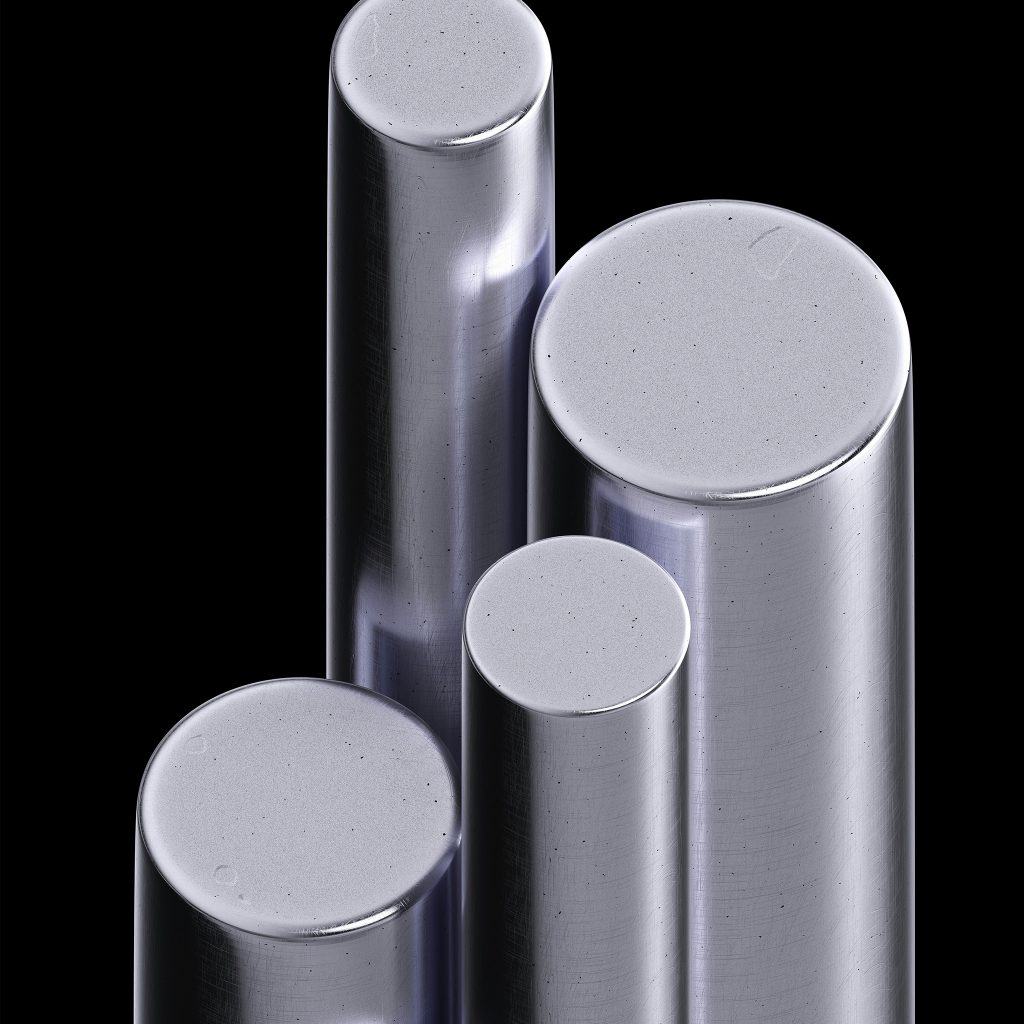
Stainless steel remains a favourite in modern watchmaking. The alloy resists corrosion, holds its shape well and provides strength without creating excessive weight. Many makers use 316L steel due to its strong resistance to moisture and its ability to maintain a clean finish. Some luxury brands use 904L steel because it offers even greater protection against harsh environments. These steels keep their shine for long periods and respond well to polishing when scratches appear. A steel case also suits a wide variety of styles, from sporty designs to refined dress pieces. People appreciate its balance of durability and affordability, which is why it remains a core material across the industry.

Gold for Prestige and Warmth
Gold has a long history in jewellery and watchmaking due to its beauty and resistance to tarnish. Pure gold is soft, so makers create alloys to increase strength. Yellow, rose and white versions all use different blends of metals to achieve their colours and hardness. A gold case offers a warm glow that changes subtly with lighting. This quality adds depth and richness to the watch. Gold also carries a sense of tradition, which appeals to collectors who admire heritage pieces. A gold watch tends to develop character over time, gaining gentle marks that many owners view as part of its charm. These qualities make gold suitable for dress watches or special-occasion pieces, though weight and cost are considerations for everyday use.
Ceramic for Scratch Resistance and Modern Appeal
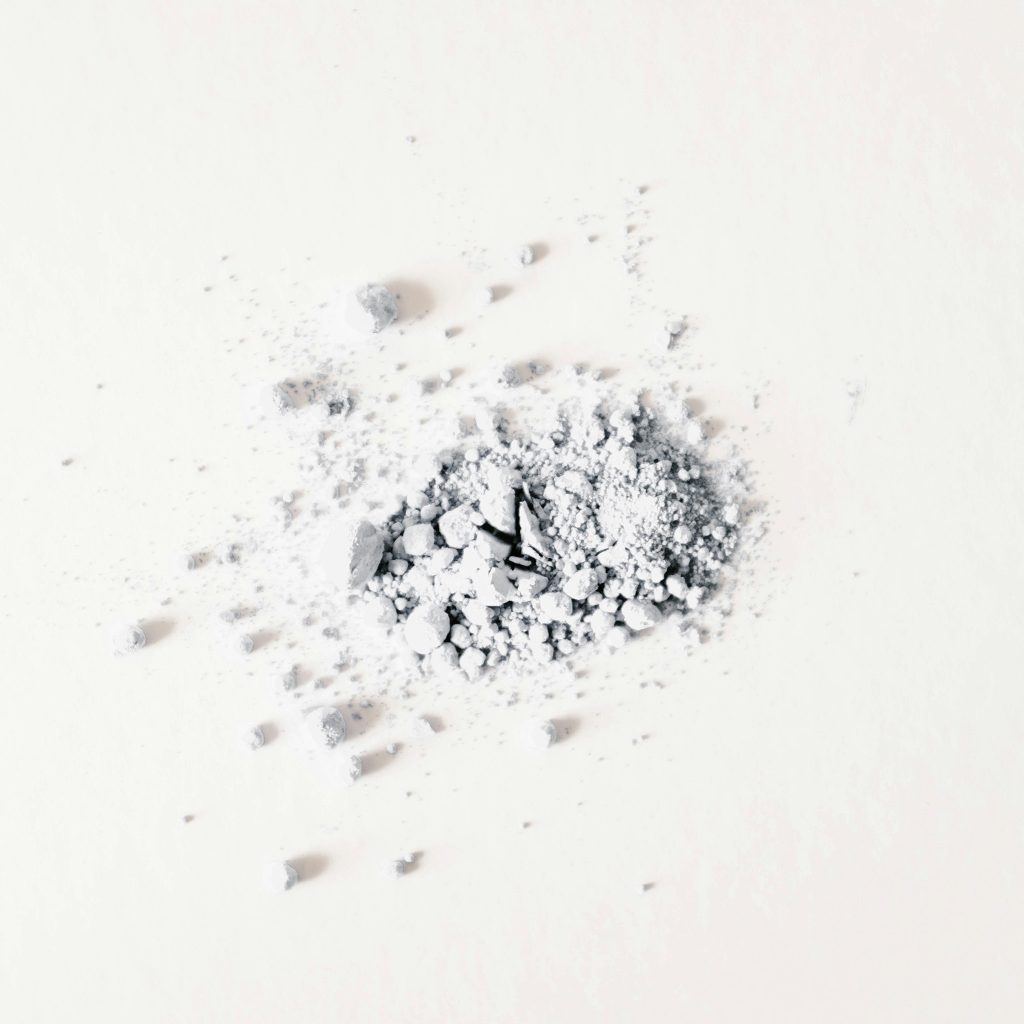
Ceramic brings exceptional hardness to watch cases. The material resists scratches that would easily mark metal. Its colour runs through the full depth of the case, so marks do not reveal a different shade underneath. Ceramic feels smooth on the skin and holds temperature well, which gives it an inviting presence on the wrist. Makers produce ceramic in a broad range of colours, allowing designs that stand out with bold or subtle tones. The material does not fade, which preserves the watch’s appearance over the years. People who want a piece that maintains a near-perfect finish often choose ceramic. The main consideration is brittleness, as ceramic can crack if subjected to a strong impact, although modern production methods continue to improve toughness.
Titanium for Lightness and Strength
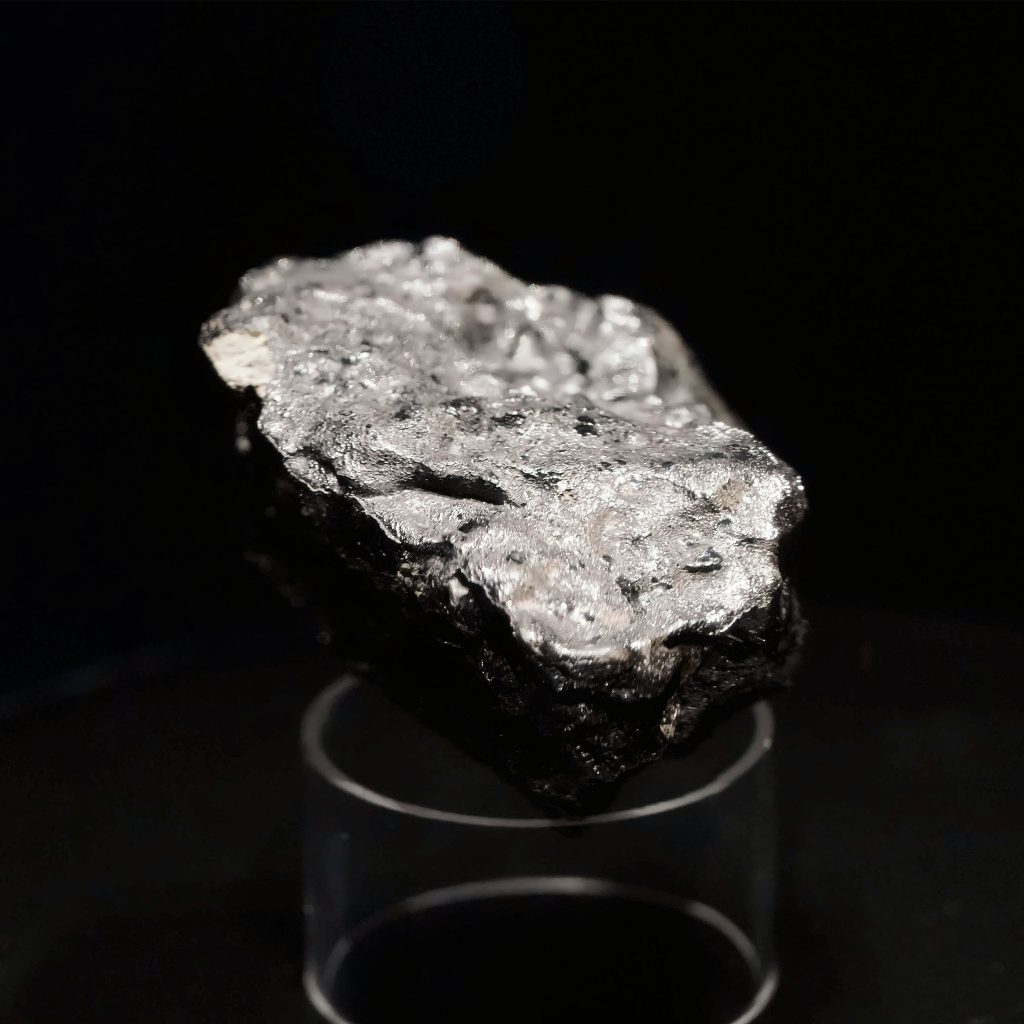
Titanium offers impressive strength while remaining much lighter than steel. This quality makes it ideal for larger cases that would feel heavy in other metals. The alloy also resists corrosion, including exposure to saltwater, which appeals to divers and outdoor enthusiasts. Titanium develops a soft grey finish that creates a subtle, modern appearance. Many people enjoy the comfort titanium offers during long wear because it almost disappears on the wrist due to its low weight. The surface tends to mark more easily than steel, yet these marks usually blend into the matte look of the material. Advances in surface hardening continue to improve durability, making titanium more versatile than ever.
Carbon Composites for Technical Performance
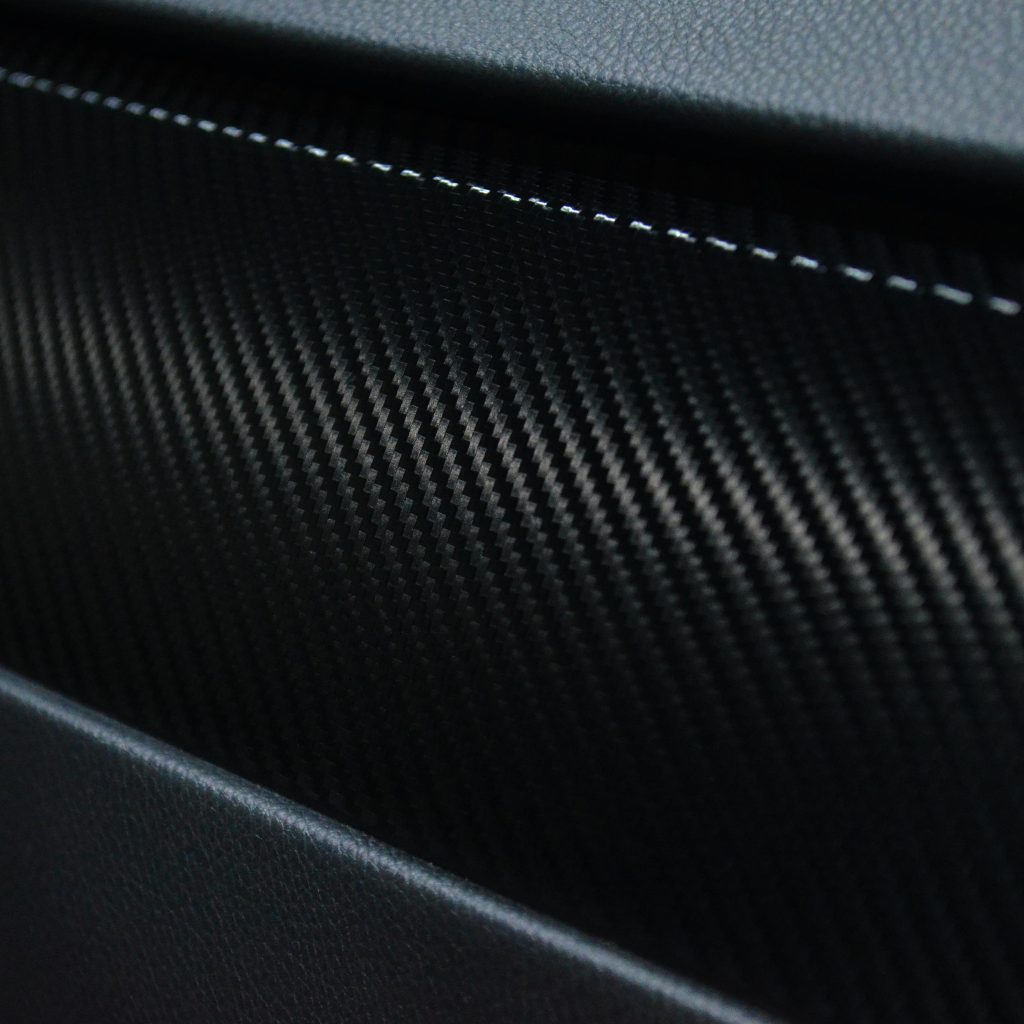
Carbon fibre and forged carbon provide strength with minimal weight. These materials attract buyers who appreciate cutting-edge engineering. Carbon composites handle shocks well and feel extremely light, which creates a sporty presence on the wrist. The natural patterns that form during production give each case a unique appearance. The texture offers character that separates carbon watches from traditional metal cases. People who enjoy modern materials and distinctive looks often favour carbon. Its thermal properties keep the watch comfortable, even during temperature changes.

Platinum for Luxury and Rarity
Platinum sits at the top end of watchmaking due to its rarity and exceptional density. A platinum case feels noticeably heavier than gold or steel, giving it a solid and substantial presence. The material resists corrosion and maintains its silvery appearance without fading. Platinum also develops a soft patina that adds depth over time. This quality appeals to collectors who appreciate pieces that age gracefully. The value of platinum and the craftsmanship involved in shaping it make these watches exclusive. Owners often consider them heirlooms due to their durability and long-lasting appeal.
Bronze for Character and Ageing
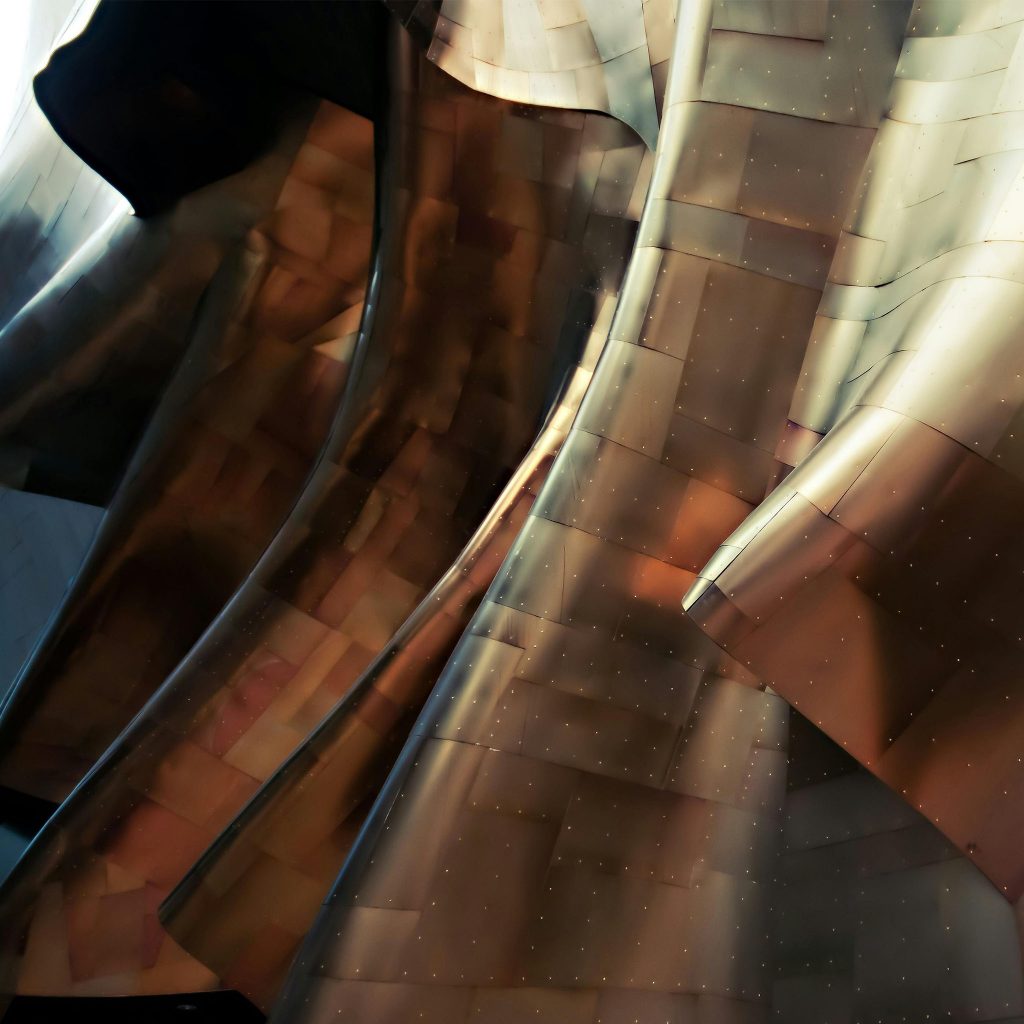
Bronze has returned to prominence in recent years. The alloy reacts to moisture and air, forming a natural patina. This ageing process gives each watch a distinct look. People who enjoy visible changes in their watches appreciate the evolving colour and texture. Bronze carries a rugged and maritime personality due to its historical use in nautical equipment. The weight sits closer to that of steel, and the surface marks easily, yet these marks often enhance the case. The patina can be reset with cleaning if the owner prefers a fresh appearance.

How Material Choice Affects Daily Comfort
Weight plays a major role in comfort. Stainless steel and gold have noticeable heft. Titanium and carbon composites feel extremely light. Ceramic sits between these extremes, offering a solid feel without excessive weight. Temperature behaviour also influences comfort. Metals tend to feel cold when first placed on the wrist, while ceramic and carbon remain more neutral. People who wear watches for long hours often prefer materials that remain stable across temperature changes.
Impact of Material on Longevity and Maintenance
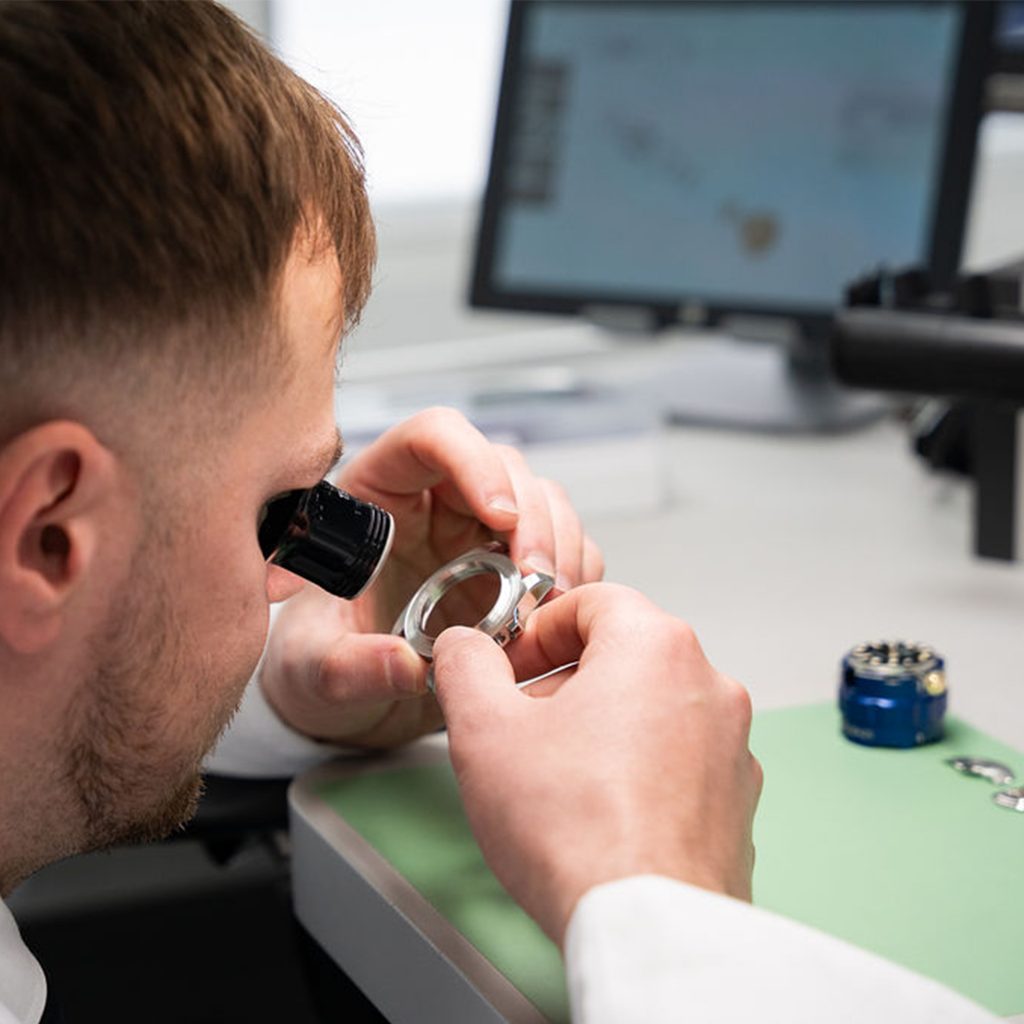
Material choice determines how a watch ages. Steel cases can be polished repeatedly. Gold softens over time but retains its colour. Ceramic remains crisp but can crack if subjected to force. Titanium may scratch yet keeps its structure. Carbon composites remain durable but cannot be polished. Platinum gains a soft finish that many collectors love. Understanding these behaviours helps owners maintain their watches correctly and appreciate the way each piece evolves.
Aesthetic Qualities That Influence Buying Choices
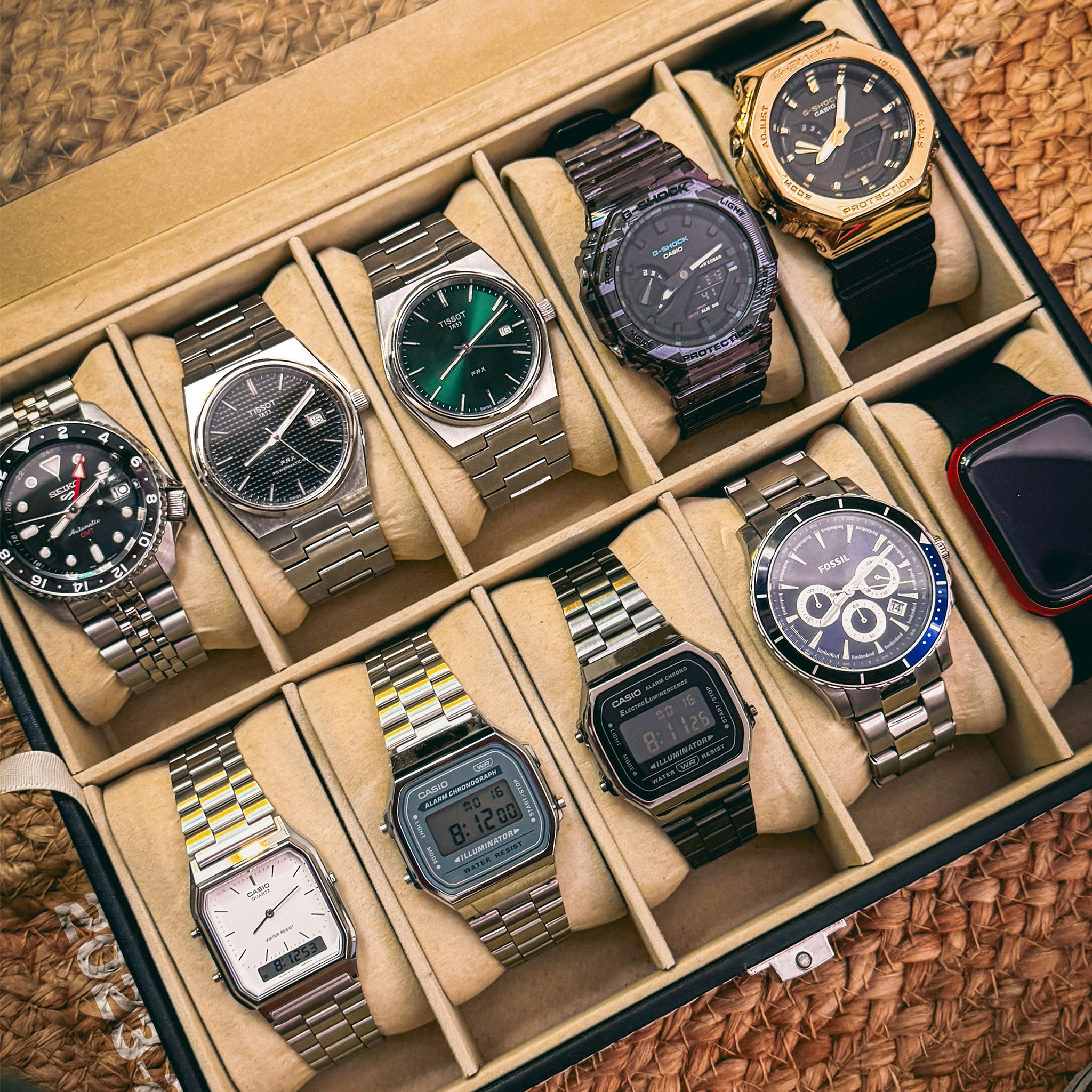
Each material carries its own visual identity. Steel offers versatility. Gold provides warmth. Ceramic adds modern curves and bold colours. Titanium gives a subtle industrial appearance. Carbon brings a technical and rugged impression. Platinum delivers a refined glow that whispers rather than shouts. These qualities influence how a watch pairs with outfits, occasions and personal style. The right material enhances design rather than competing with it.
Final Thoughts
Case materials shape durability, comfort, style and value. Steel provides reliability. Gold brings prestige. Ceramic offers resistance to wear. Titanium delivers lightness. Carbon composites add modern engineering flair. Platinum adds exclusivity. Bronze introduces character through natural ageing. Each material brings strengths that suit different lifestyles and preferences. A well-chosen case material transforms a watch into a piece that feels tailored to its wearer, both in appearance and performance.
Post Views: 986