


A Beginner’s Guide to Building a Timeless Watch Collection
Interest in watches has seen a resurgence in recent years. People are rediscovering the satisfaction of owning a mechanical timepiece, not just as a way to keep time but as a reflection of history, craftsmanship, and personal taste. A good collection does not need to be vast or expensive. With the right approach, anyone can create a set of watches that feels considered and rewarding. This guide will outline the essentials for anyone curious about watch collecting for beginners.
Why Collect Watches?
How to Approach Your First Purchase
The first watch in a collection often sets the tone for the rest. Before deciding on a model, consider why you want it. Do you prefer a versatile everyday piece, or are you drawn to mechanical complications like a chronograph or GMT? Understanding your motivation will guide your decision. Price is another important factor. While there are affordable watches that provide remarkable quality, it is wise to decide a budget early to avoid impulsive choices. Guides on how to start a watch collection often recommend beginning with one versatile piece that can be worn regularly, rather than jumping straight into expensive or rare models.
Classic Brands Worth Knowing
Swiss manufacturers remain at the forefront of horology, producing many of the most respected names in the market. Rolex, Omega, and Patek Philippe are frequently mentioned by collectors for their reliability and heritage. In recent years, however, Japanese makers such as Seiko and Grand Seiko have earned global respect, offering pieces that stand alongside European counterparts in both performance and design. German watchmakers, including NOMOS Glashütte, are also gaining recognition for their precision and quality.
When considering classic watches for collectors, these names are often where most people begin their research.
Key Watch Styles to Consider
The Dress Watch
Slim, discreet, and usually on a leather strap, dress watches pair easily with formal wear. A simple dial without clutter works best. They may not be as robust as a diver’s watch, but their understated presence remains timeless.
The Diver’s Watch
Recognisable by its rotating bezel and high water resistance, the diver’s watch is versatile enough for daily use. Models like the Rolex Submariner or the Omega Seamaster have become icons. Many brands now offer divers that suit both professional use and casual wear.
The Pilot’s Watch
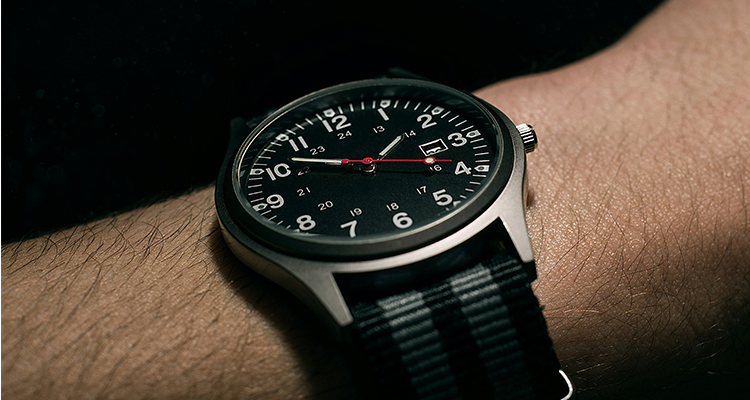
Large, legible numerals and luminous hands define the pilot’s watch. Originally developed for aviators, these watches remain popular for their bold design and functionality.
The Chronograph
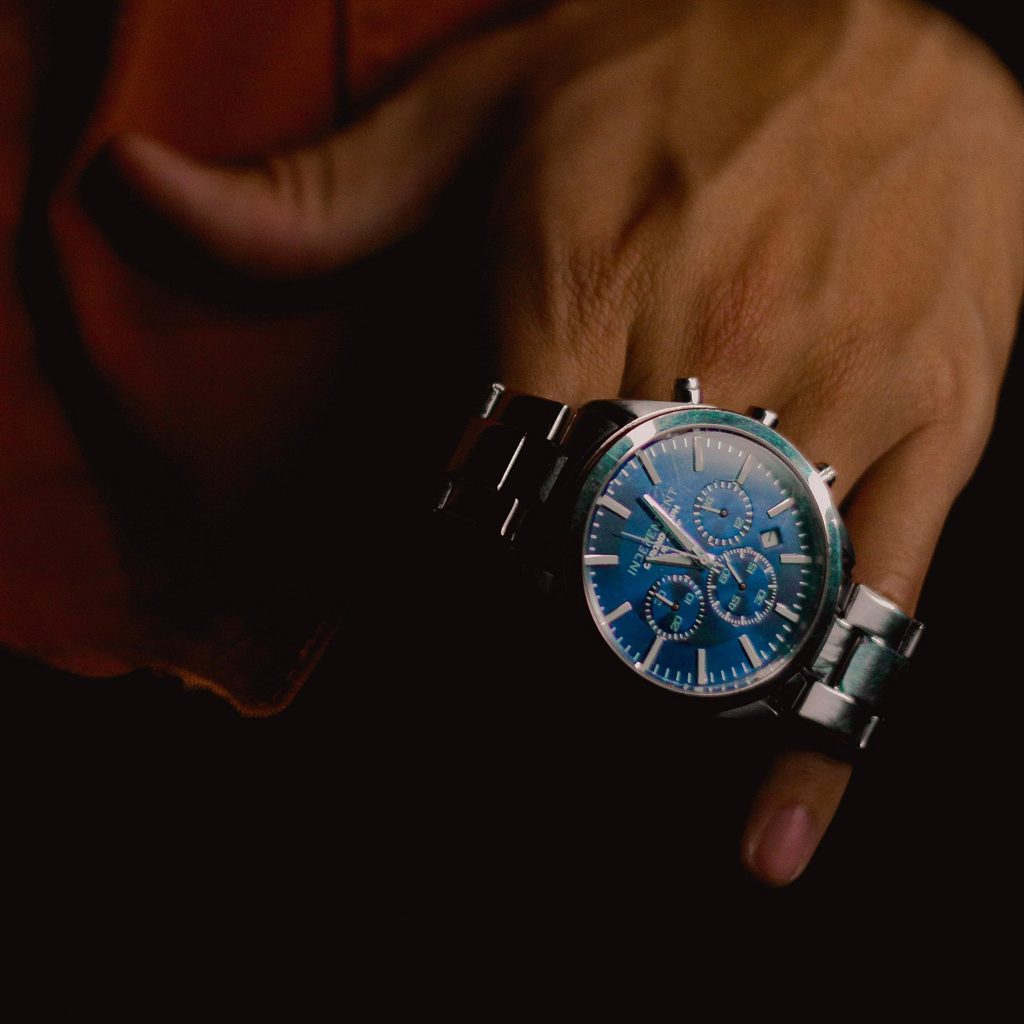
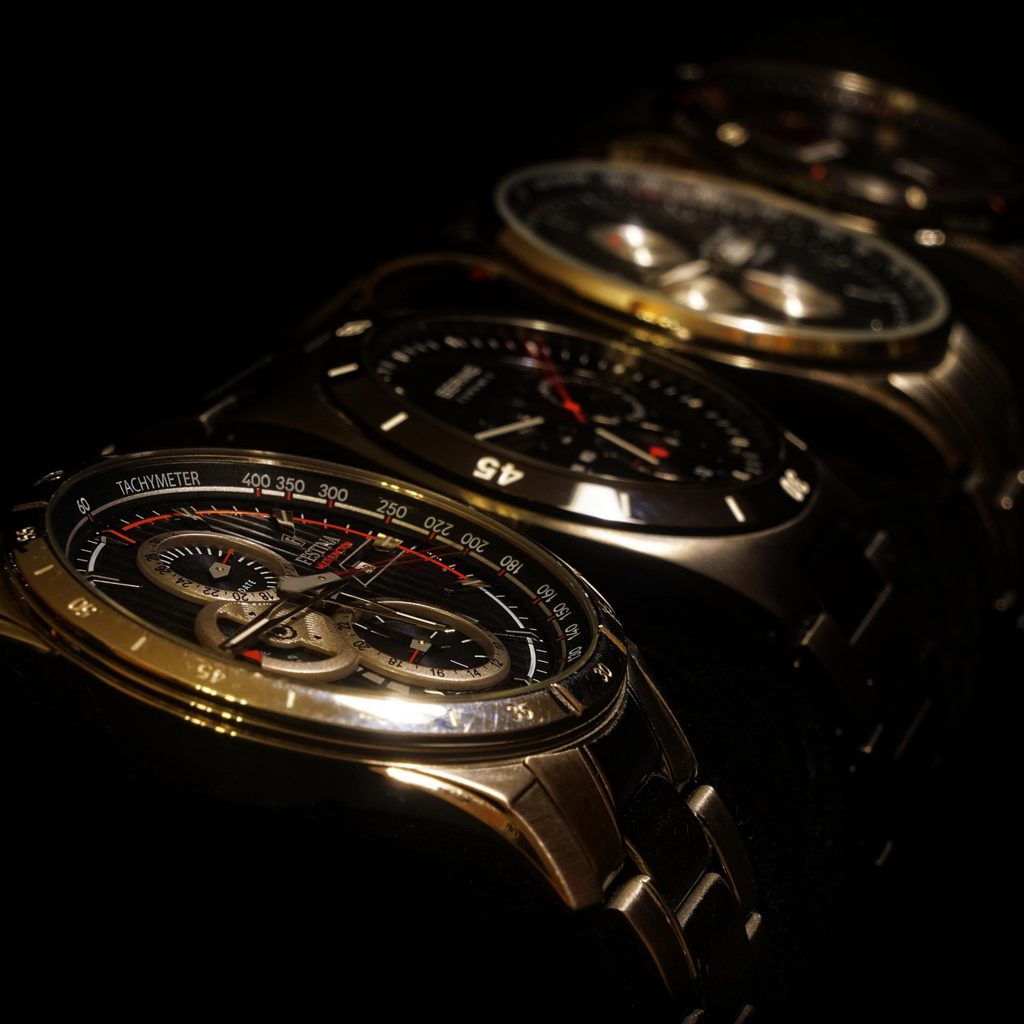
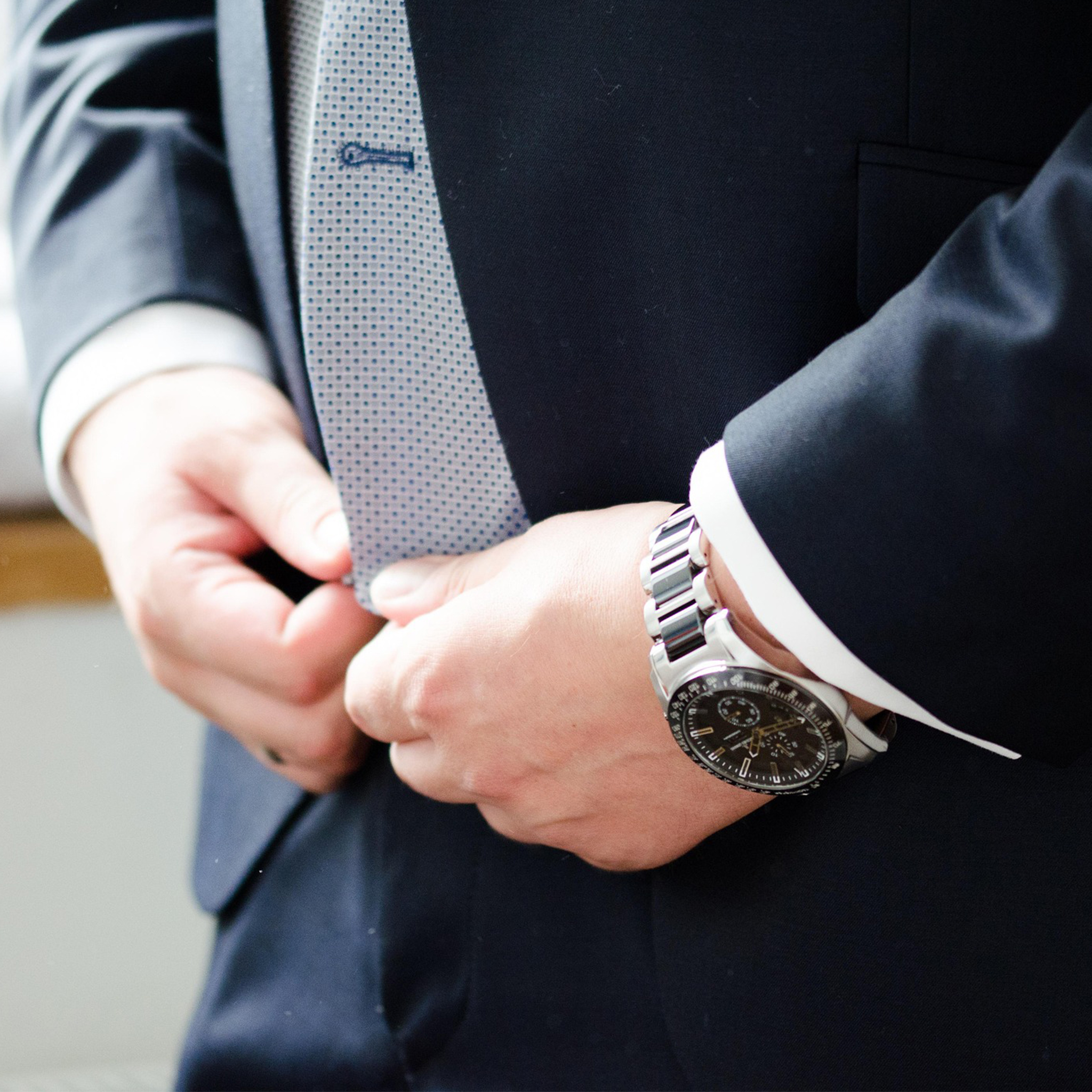
Characterised by sub-dials and stopwatch functions, chronographs appeal to those who appreciate technical features. Motorsport enthusiasts often favour them, with models like the TAG Heuer Carrera being long-standing favourites.
Everyday Watch
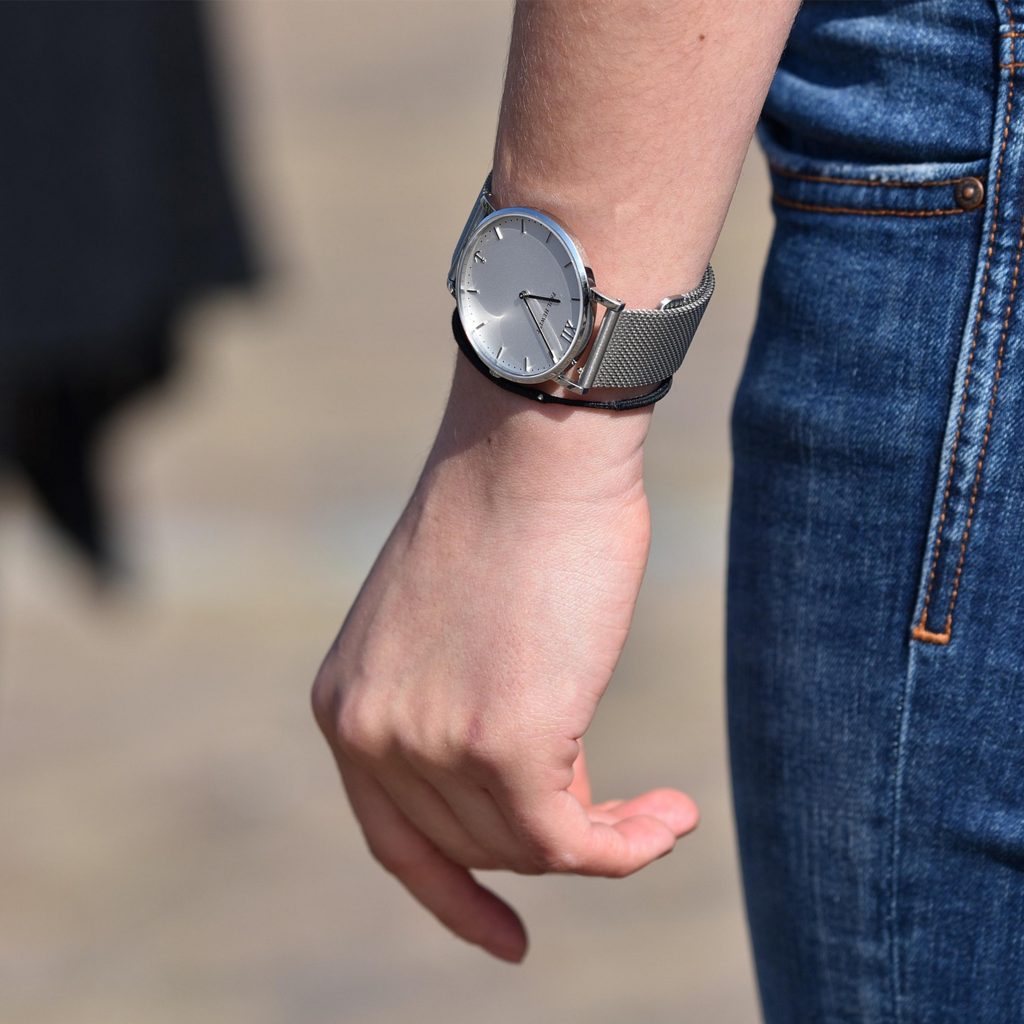
Not every watch needs a specialist purpose. A simple, versatile three-hand watch can bridge the gap between smart and casual. This type often becomes the most worn piece in a collection.
Mechanical vs Quartz
Materials and Design
The Investment Angle
Some people collect for passion, others with an eye on value. The concept of investment watches has grown, with certain models appreciating significantly over time. Limited releases, discontinued references, and iconic designs can all rise in price, making them sought-after pieces. However, markets fluctuate, and value is never guaranteed. If investment is part of your plan, research is crucial. Look into auction results, collector forums, and reliable dealers to understand which models hold demand.
Where to Buy
Building Knowledge
Caring for Your Collection
Developing Your Collection Over Time
Watches and Personal Connection
Final Thoughts
Starting a watch collection should not feel intimidating. By learning the basics, setting a budget, and considering different styles, anyone can build a meaningful set of timepieces. Whether you lean towards history, mechanical engineering, or potential value growth, the journey is part of the reward. A carefully chosen watch becomes more than an accessory. It is a companion through daily life and important events. For many collectors, the ultimate goal is to own a selection of timeless men’s watches that bring satisfaction every time they are worn.