


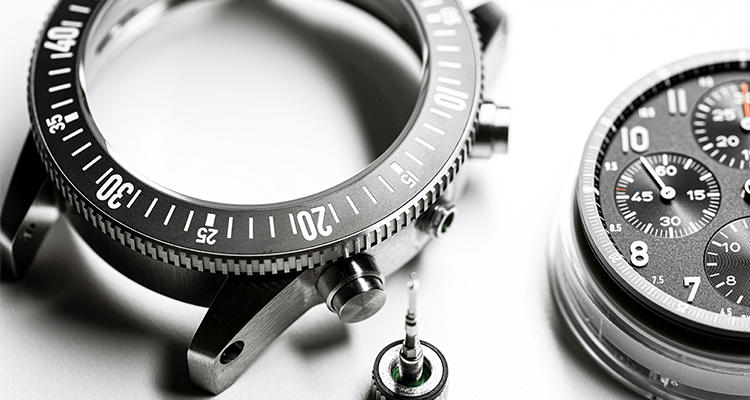
Automatic vs. Quartz Watches: What’s the Difference and Which Is Right for You?
Choosing a watch isn’t just about looks because it’s also about what goes on inside the watch. The internal mechanism, known as the movement, plays a key part in how the watch operates, how much upkeep it needs, and what you can expect in terms of accuracy. When comparing watches, people often come across two main types: automatic and quartz. Understanding the key differences can help you decide what works best for your needs and lifestyle.

Understanding the Types of Watch Movements
All watches rely on a movement to keep time. This internal mechanism drives the hands on the dial. The most common types of watch movements are quartz, automatic, and manual. Each operates in a different way, but quartz and automatic are by far the most widely used today. Quartz watches are powered by a small battery. The battery sends an electric current through a piece of quartz, which vibrates and keeps the time accurate. Automatic watches, on the other hand, run using mechanical energy. A rotor inside the watch spins as you wear it, which winds the mainspring and powers the movement.
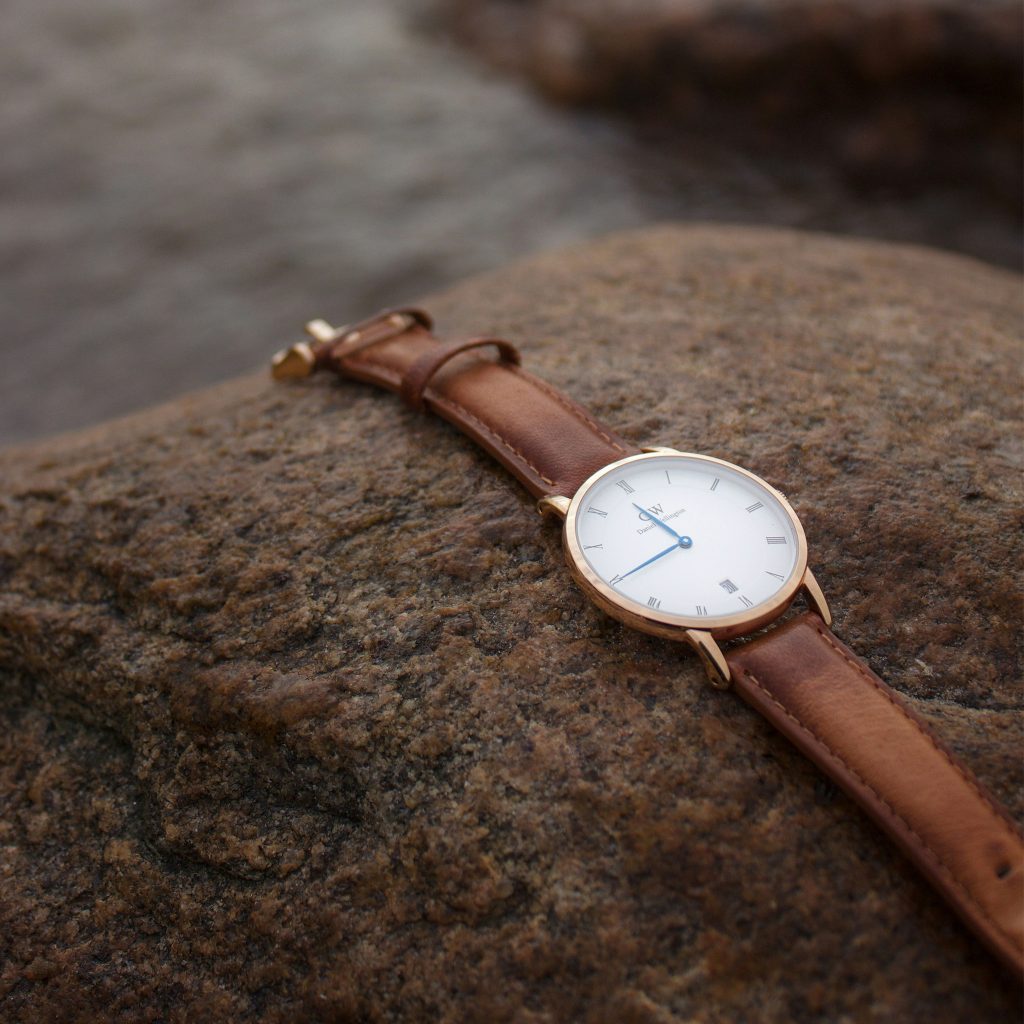
What Is a Quartz Watch?
A quartz watch is battery-operated and requires very little effort from the owner. These watches are known for being accurate, reliable, and low maintenance. Most quartz watches will only need a battery change every couple of years, making them convenient for daily use. One of the most appealing quartz watch benefits is accuracy. Quartz watches lose only a few seconds per month, compared to mechanical watches, which can lose several seconds each day. They’re also generally more affordable, both to buy and to service. Quartz watches are common across all price points. While many budget-friendly models use quartz movements, high-end watchmakers also produce quartz versions with quality materials and detailed design.

What Is an Automatic Watch?
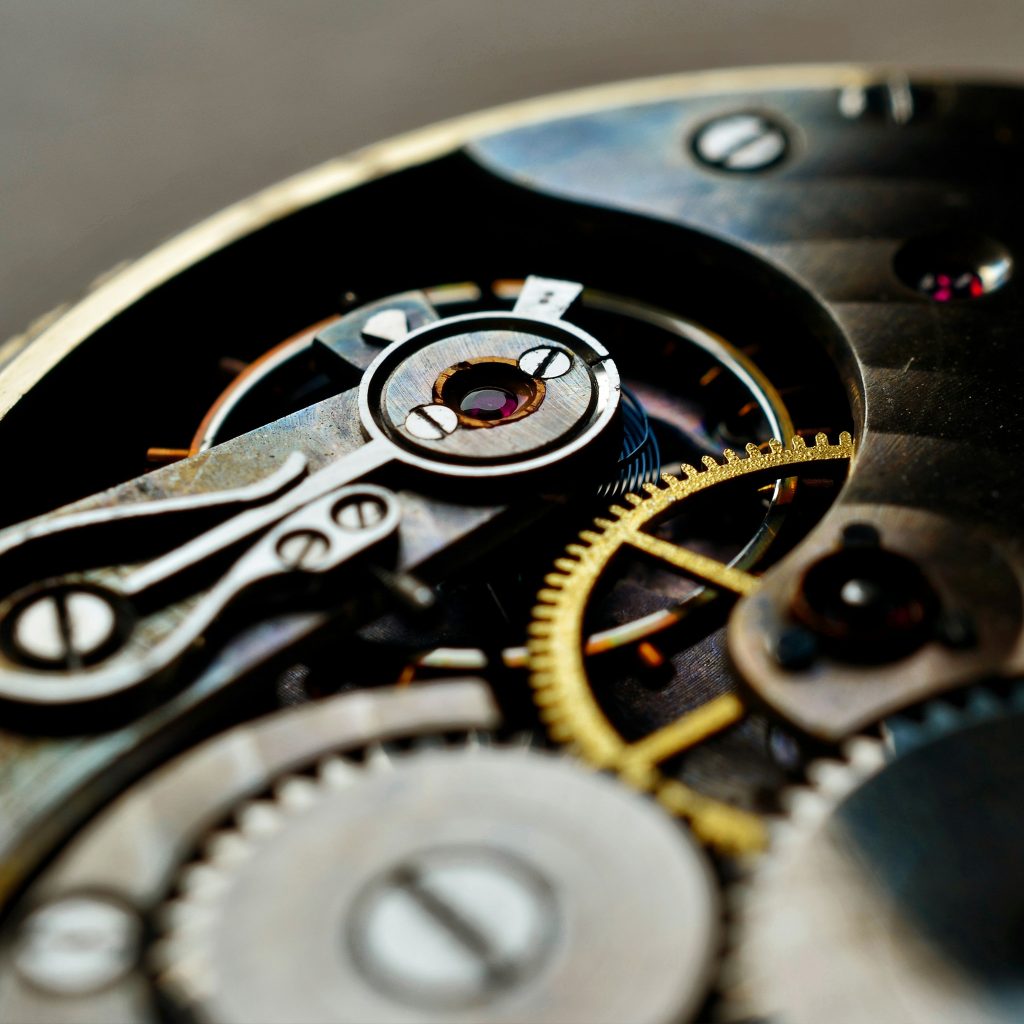
An automatic watch is a type of mechanical watch that winds itself using the natural movement of your wrist. Inside the case, a small weight called a rotor moves as your wrist moves, winding the mainspring and keeping the watch ticking. This means no battery is required, but you do need to wear it regularly to keep it running. If left unworn, the watch will stop and need to be wound again or reset. Automatic watches appeal to those who appreciate engineering and craftsmanship. Many of them have transparent case backs, which allow you to see the movement in action. Those interested in learning more about how these watches operate might find a mechanical watch guide helpful. It can explain the differences between automatic and manual movements, and provide tips on winding, maintenance, and how to spot quality components.
Key Differences Between Automatic and Quartz Watches
There are several differences between the two types, each affecting how the watch feels, runs, and is maintained.
- Power Source: Quartz watches use batteries, while automatic watches rely on wrist movement.
- Accuracy: Quartz watches are more accurate.
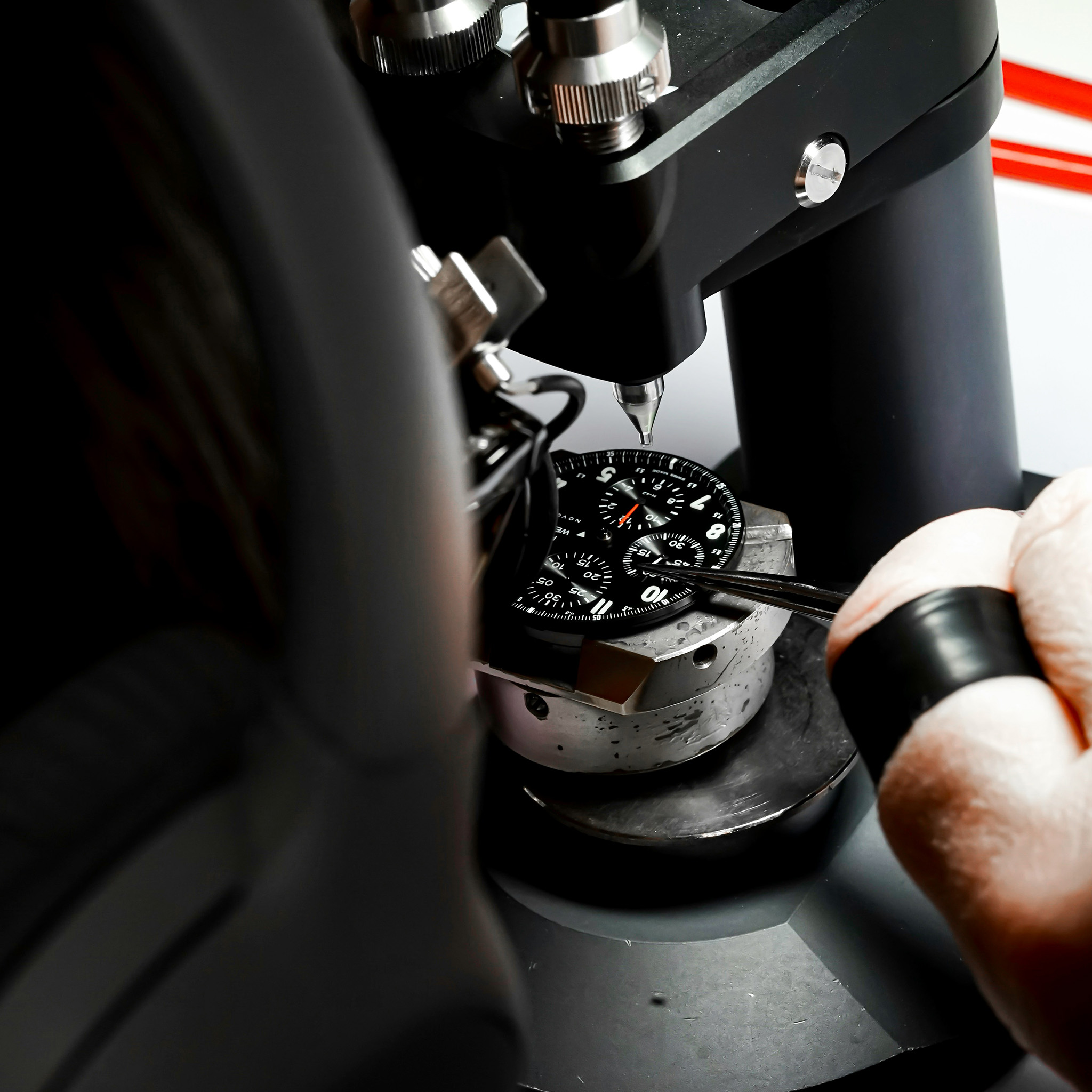
- Maintenance: Quartz watches need less servicing. Battery changes are simple. Automatic watches need occasional servicing to keep the movement clean and lubricated.
- Cost: Quartz watches are typically cheaper, though both types can be found at various price points.
- Weight: Automatic watches are usually heavier due to the movement and rotor.
- User Experience: Automatic watches can feel more engaging to wear and own, especially for watch collectors. If you prefer convenience and reliability, a quartz watch might be the better choice. If you like traditional engineering and are happy to maintain the watch, an automatic could be more appealing.

The Best Watches for Men and Women
Whether you prefer automatic or quartz, there’s no shortage of choice. The best watches for men range from classic chronographs to sleek minimalist pieces. For those looking for the best women’s watches, the options vary from small dress watches to bold, modern designs. It’s worth trying on a few watches before making a decision, especially if you’re considering weight and comfort. While quartz watches often feel lighter and slimmer, automatic watches can feel more solid on the wrist.
Pros and Cons at a Glance
Here’s a breakdown to help compare the two:
Quartz Watches:
- More accurate
- Lower cost
- Low maintenance
- Lightweight
- Needs battery changes every few years
Automatic Watches:
- No battery required
- Can be wound manually if needed
- Appreciated by watch enthusiasts
- Heavier and thicker
- Needs regular wearing or a watch winder
- Periodic servicing required
Which Should You Choose?
There’s no one-size-fits-all answer. Your lifestyle and preferences will help determine what works best. A quartz watch is ideal for someone who wants reliability, accuracy, and minimal fuss. It’s a perfect choice for everyday wear or for someone who doesn’t want to think about setting their watch every few days. An automatic watch suits those who value mechanical design and don’t mind a bit of upkeep. They also appeal to people who wear their watches regularly and appreciate the traditional side of watchmaking. When comparing automatic vs quartz watch, think about how you plan to wear it, how often, and what you want from it. Consider whether the feel of the watch, the sweep of the second hand, or the idea of a self-winding mechanism is important to you. On the other hand, if you want something you can rely on with no fuss, quartz has plenty to offer.
Final Thoughts
There is so much more to watches than many might realise. They reflect your taste, habits, and even your lifestyle. Understanding how they work helps you make a better choice that lasts and suits your daily routine. Whether you’re buying your first watch or adding another to your collection, taking the time to compare both movements makes all the difference. For anyone still unsure, try both. Wear a quartz watch for a few weeks, then try an automatic and see which one feels more natural. In the end, both types have earned their place in modern watchmaking, offering something valuable to different kinds of wearers.
Post Views: 1,279